
Last updated November 24, 2026
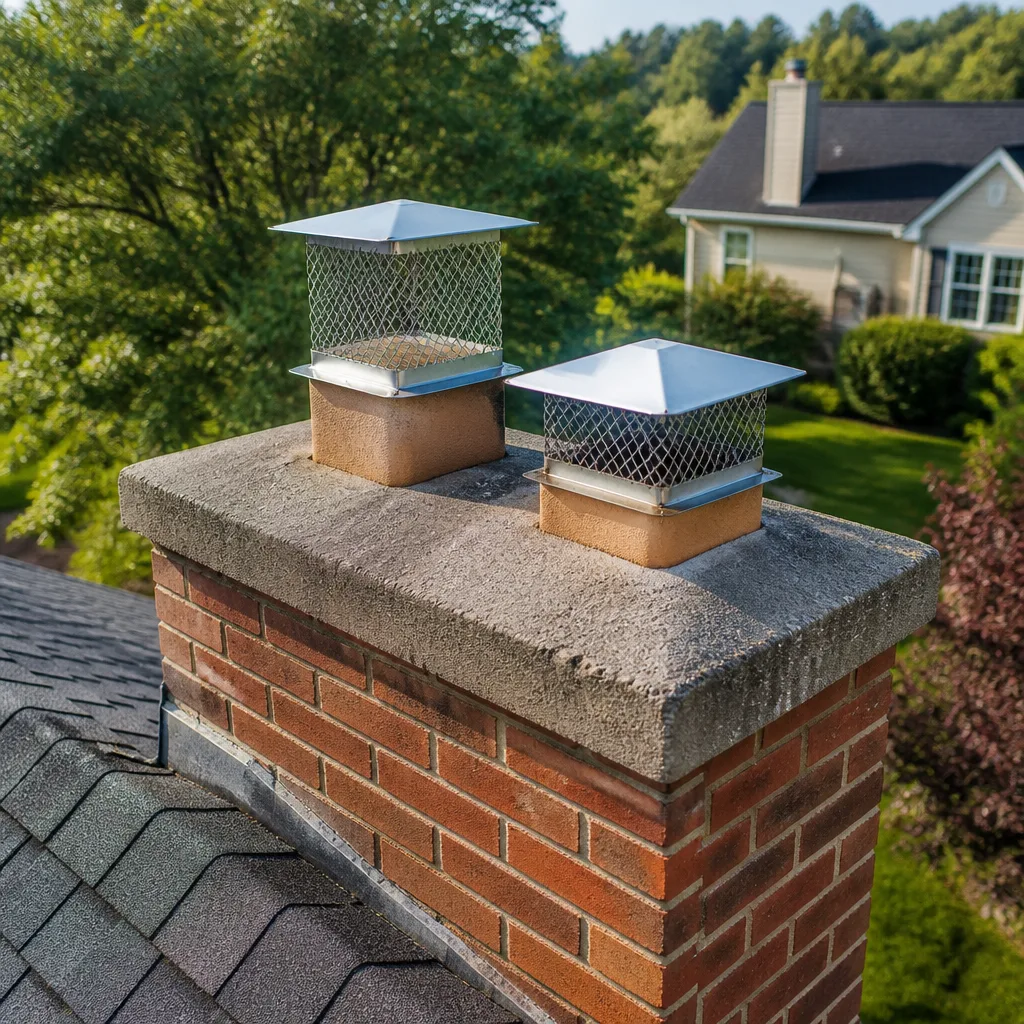 Sweep & inspection
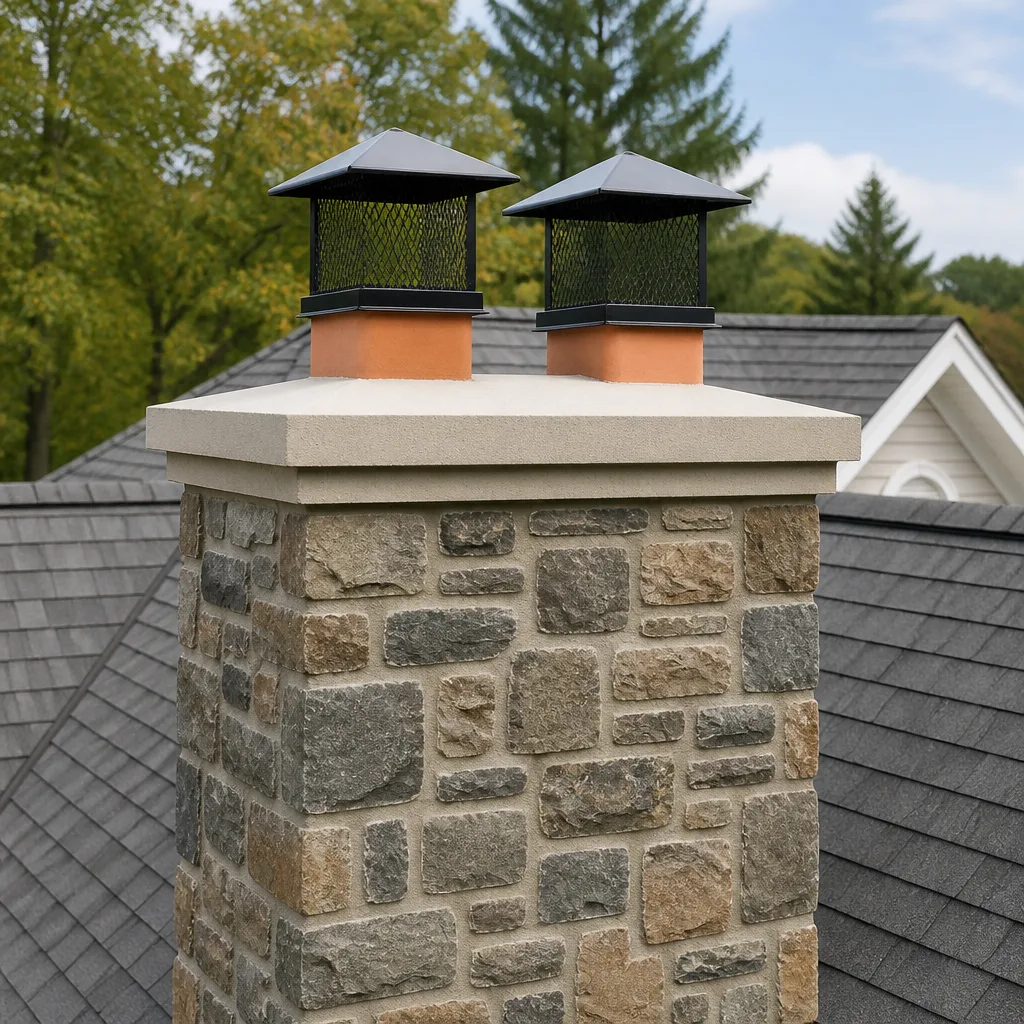 Caps & crowns
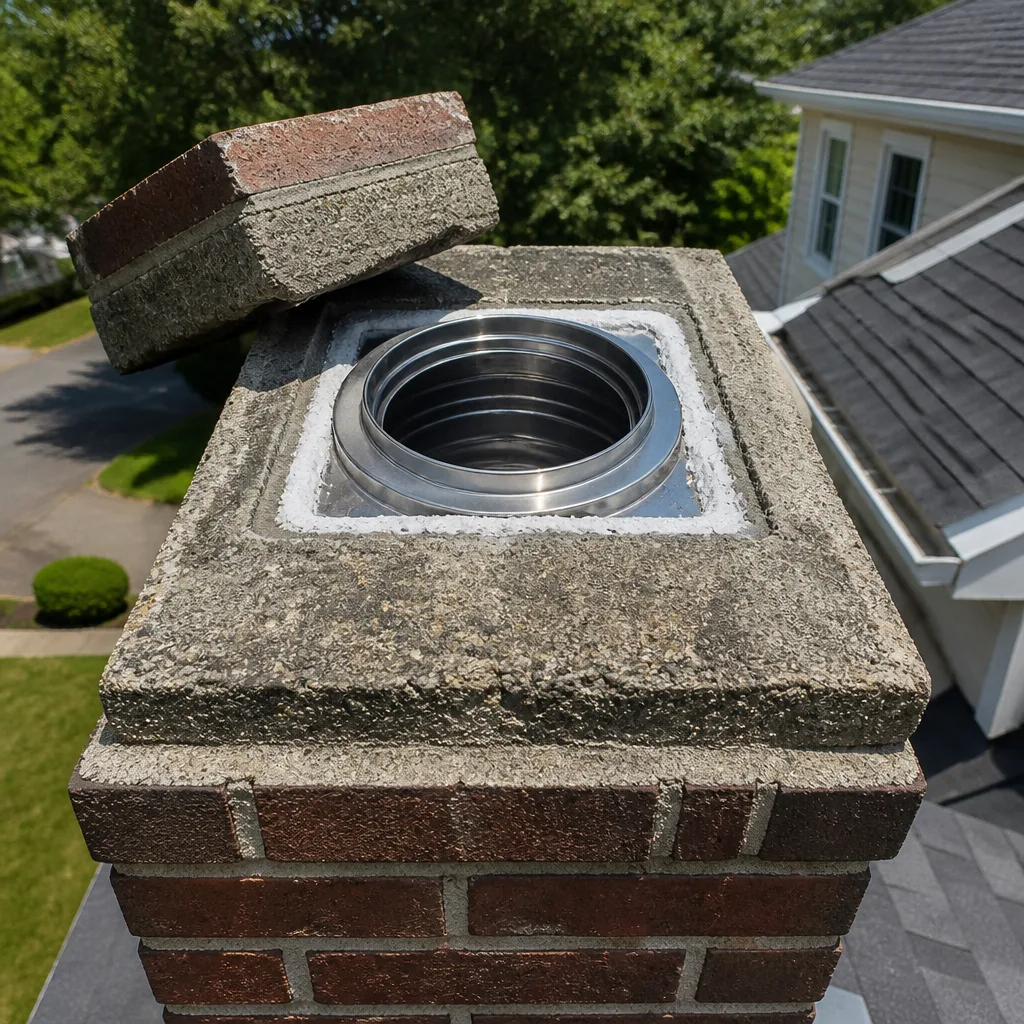 Flue relining
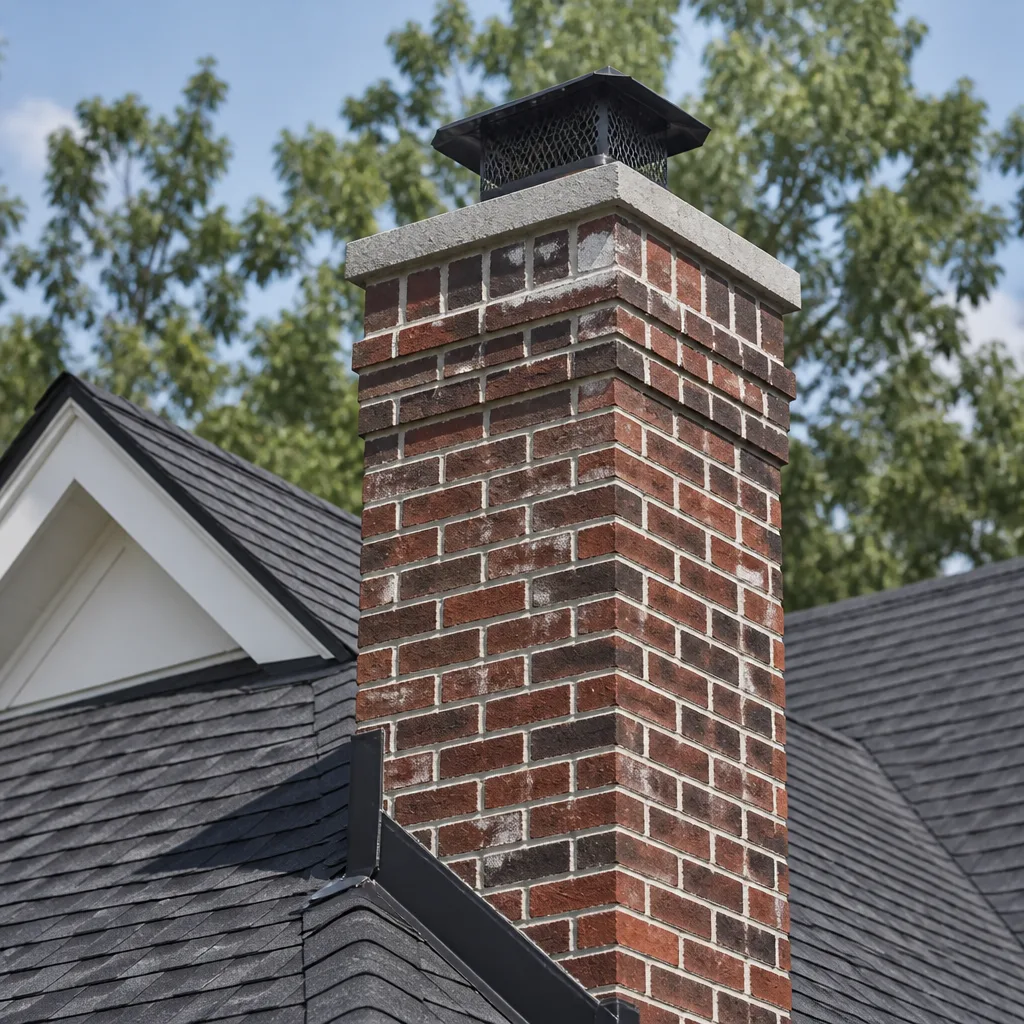 Masonry repair
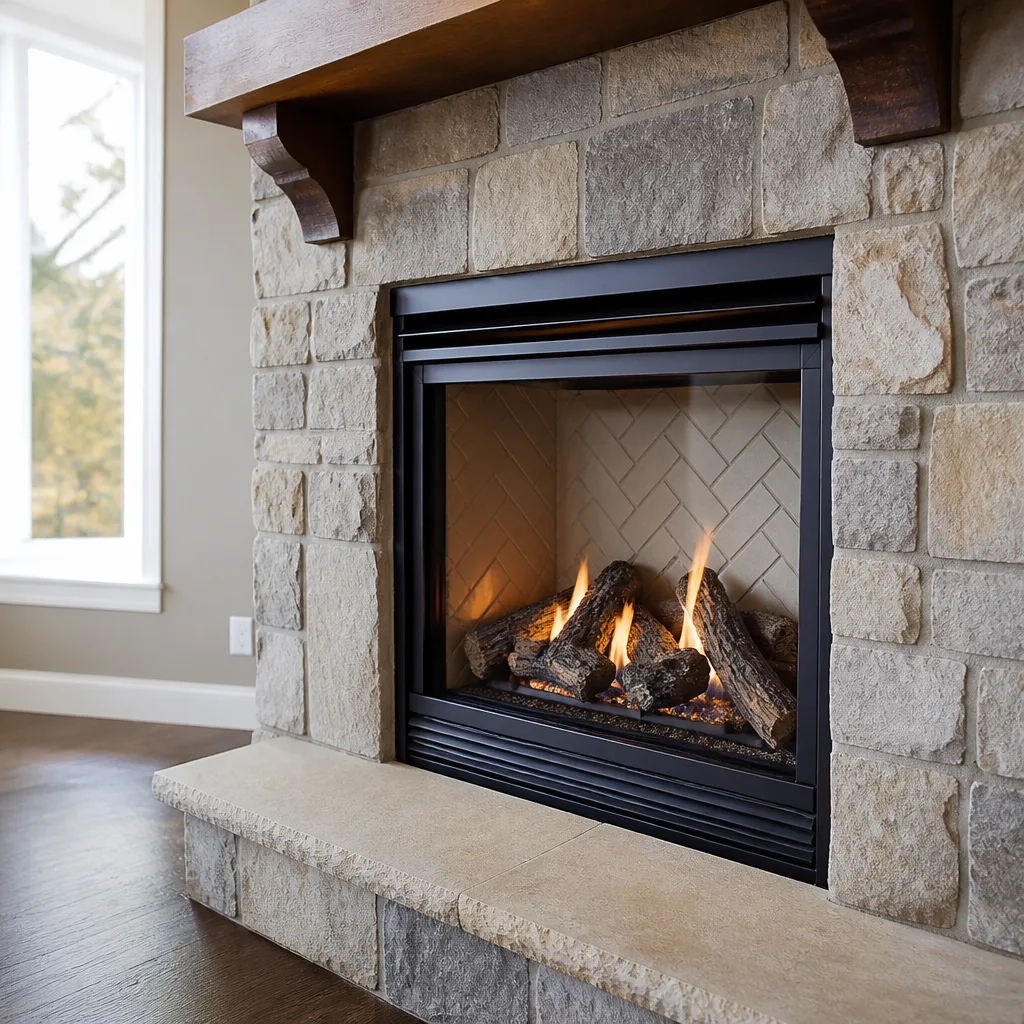 Gas fireplace service
Level 1 sweep and inspection to the NFPA 211 annual standard - flue, crown, cap, and flashing checked and photographed
Chimney sweep logs do not sweep chimneys. They loosen some creosote - which then falls where a brush and vacuum still have to collect it.
Seasonal Chimney Cleaning Care for Midvale: Year-Round Homeowner’s Guide
Most homeowners treat chimney care as a single fall task: book a sweep, burn through winter, forget about it until next October. That habit works fine in mild climates. In Midvale it leaves damage on the table. The chimney’s hardest season here isn’t winter at all. It’s the swing between March and May, when freeze-thaw cycling pushes moisture deep into masonry that spent all burn season expanding and contracting. By the time you’re thinking about spring yard work, your crown, flashing, and mortar joints are already working through a stress cycle nobody scheduled. This guide assigns the right task to each of Midvale’s four seasons, explains the mechanism behind each one, and shows you what to check before the next window closes.
Quick Answer
Seasonal chimney maintenance in Midvale means four separate care windows a year, not one annual sweep. Fall covers pre-season inspection and sweeping before you burn; winter covers mid-season creosote checks on high-use fireplaces; spring is the critical moisture-assessment period for crowns, caps, and masonry after freeze-thaw damage; summer is for waterproofing, flashing inspection, and repairs that need warm, dry mortar conditions. Skipping any one of these windows is how damage compounds quietly from one year to the next.
Styles & brands we work with
- Sweep & inspection
- Caps & crowns
- Flue relining
- Masonry repair
- Gas fireplace service
Table of Contents
- Why One Annual Sweep Falls Short in Midvale
- Fall: Pre-Season Sweep and First-Use Inspection
- Winter: Mid-Season Checks and Creosote Formation
- Spring: Post-Burn Moisture Assessment
- Summer: Waterproofing, Nesting Removal, and Flashing
- The Four-Season Calendar at a Glance
- Common Mistakes to Avoid
- When to Call a Professional
- Frequently Asked Questions
- The Bottom Line
Why One Annual Sweep Falls Short in Midvale
A chimney is a system with four separate failure points: the flue interior, the liner, the crown, and the cap and flashing. A sweep addresses one of those. The other three degrade on their own clock, driven by weather rather than by how much wood you burned. In Midvale, those clocks run on four distinct seasonal cycles.
The core problem is that creosote buildup is the visible threat, while moisture intrusion is the quiet one. Water gets into a chimney through three main routes: cracks in the crown, failed flashing where the chimney meets the roofline, and an open or damaged cap. Once inside, moisture doesn’t just sit there. It travels through masonry by capillary action, and when temperatures drop below freezing, that trapped water expands with enough force to spall brick faces and open mortar joints wider.
That’s why the seasonal model matters here. A homeowner who only sweeps in the fall is cleaning the flue but ignoring the masonry envelope. In a climate with real freeze-thaw cycling, the masonry envelope is where the expensive repairs live.
Our technicians have up to 10 years of experience, and the pattern we see in Midvale homes is consistent: chimneys that get swept every fall but never get a spring moisture check are the ones that need crown rebuilds and flashing replacement well before a chimney that gets swept and inspected on a seasonal schedule. The work is the same trade either way. The timing changes the outcome. You can read more about our chimney repair scope if you’re already past the maintenance stage.
Fall: Pre-Season Sweep and First-Use Inspection
Fall is when the flue gets its annual cleaning, and the timing matters more than most homeowners realize. In Midvale, the region’s winter inversion season tends to settle in as temperatures drop and air movement stalls. That’s a reason to book the sweep before first burn, not after the first cold snap. Once the fireplace is in daily use, you’re sweeping a flue that’s already loaded with a season’s worth of deposits, and creosote that’s been heated and re-heated is harder to remove cleanly.
Here’s what a proper fall sequence looks like:
- Schedule the sweep before the first burn. Have the flue cleaned while it’s still cool-season idle. Burning first and sweeping later means you push a full season of deposits through a flue that was never checked.
- Inspect the firebox and damper. Verify the damper opens and closes fully and the firebox refractories aren’t cracked. A damper that doesn’t seal wastes heat and lets cold air down the flue when the fire’s out.
- Check the cap and spark screen. A cap that’s been off since last season, or a screen that’s torn, means birds, squirrels, and debris have had months of access. Olympia Chimney caps and screens are contractor-grade components we specify when a replacement is warranted.
- Look at the crown from the ground. With binoculars or a phone camera zoom, check the concrete crown on top for visible cracks. Fall cracks look minor and become spring problems.
- Confirm the liner condition. A camera inspection inside the flue tells you whether the liner is intact or has gaps, spalling, or missing sections. This is the check that prevents most repair surprises down the line.
Do not skip the first-use check just because you had a sweep. The first fire of the season is when you’ll notice a drafting problem, a smoke rollback, or a damper that sticks. Those are signals worth acting on in October rather than January.
Winter: Mid-Season Checks and Creosote Formation
Winter is when creosote accumulation happens fastest, and it’s worth understanding why. The three stages of creosote form differently, and the conditions in a Midvale winter push you toward the harder stages faster than the same amount of wood burned in a drier, warmer climate.
- Stage 1 creosote is light, flaky, and soot-like. It brushes off. It forms whenever wood burns, and it’s what a routine fall sweep removes.
- Stage 2 creosote is denser and tar-like. It forms when the flue runs cooler than it should, so the gases condense onto the liner walls before they exit. Damp wood, a restricted air supply, and a cold flue all accelerate it.
- Stage 3 creosote is glaze-hard and requires professional removal. It’s a fire risk marker, not just a cleaning inconvenience.
If you burn frequently, a mid-season check around the halfway point of the burn season is smart. If you notice a change in how the fire draws, black flakes appearing on the firebox, or a stronger smell when the fireplace is idle, that’s a sign the flue is loading up faster than expected. Have it looked at rather than burning through the rest of the season.
High-use fireplaces, meaning fires most evenings through the cold months, need eyes on them mid-season. Low-use fireplaces, meaning a fire a week, can usually wait until spring to be checked. We can’t tell you which category you’re in. Only you know how much you burn, and that’s the information we ask for when you call. When creosote or damage goes beyond routine cleaning, our chimney repair work covers liner replacement and structural fixes.
Spring: Post-Burn Moisture Assessment
Spring is the season most Midvale homeowners skip, and it’s the one that costs the most to skip. Here’s the mechanism. Through March and April, temperatures swing above and below freezing repeatedly. Any moisture that got into your crown cracks or mortar joints during the burn season freezes, expands, and widens the crack. It thaws, refreezes, and widens again. This freeze-thaw cycling, repeated dozens of times across a few weeks, is what turns a hairline crown crack into a structural repair.
The spring assessment has three parts:
- Crown inspection. The crown is the concrete slab at the top of the chimney that sheds water away from the flue. Cracks in it are the number one entry route for moisture. Small cracks can often be sealed. Larger ones need repair or rebuild with a properly sloped crown.
- Cap check. A cap does two jobs: keeping water out of the flue and keeping animals out. By spring, a winter’s worth of wind, snow load, and thermal movement can loosen a cap or tear a screen. Verify it’s still attached, still screening, and still shedding.
- Masonry and mortar joint inspection. Look for spalled brick faces (brick that’s flaking or crumbling), white powdery deposits called efflorescence (a sign of moisture movement), and mortar joints that have receded or cracked. Any of those in spring get scheduled for repair before summer.
This is also the right moment to book any masonry work. Mortar needs warm, dry conditions to cure properly. Repair work done in spring and early summer sets well and holds. The same work done in late fall is competing with cold nights and wet weather. Our fireplace repair and masonry scope includes crown rebuilds, tuckpointing, and flashing work.
Summer: Waterproofing, Nesting Removal, and Flashing
Summer is the season for the work that prevents next winter’s problems, and it’s the window most homeowners spend on the deck instead of the roof. Three tasks deserve priority.
Waterproofing. A breathable masonry water repellent applied to the exterior chimney slows the absorption of water into brick and mortar. This matters more in a freeze-thaw climate than a mild one because the whole cycle of damage depends on water being present when temperatures drop. Application needs warm, dry weather and a clean surface, which is why summer is the practical window.
Bird and animal nesting removal. A cap that was missing over winter is an open door. Birds, squirrels, and wasps will move into a flue that isn’t capped, and a nest is both a blockage and a fire hazard. Remove the nest, inspect the flue for what came with it, and install a proper cap. Copperfield caps and screens are contractor-grade components that hold up to weather.
Flashing inspection and repair. Flashing is the metal that seals the gap where the chimney passes through the roof. It’s a common leak point, and roof movement over a winter can open a gap. Before the next heating season’s thermal expansion cycle starts, get the flashing checked and resealed if needed. This is also the right time to check attic-side staining around the chimney penetration if you have access to the attic.
Summer is also when you want to schedule any Chimney Sweep Midvale service that requires a full system look, since warm, dry conditions are ideal for inspections that need roof access and any work involving mortar or sealants.
The Four-Season Calendar at a Glance
Here’s the whole year in one place. Use this as your scheduling reference:
- Fall (September – October): Sweep the flue before first burn; inspect firebox, damper, and liner by camera; check cap and spark screen; document the crown and flashing from the ground.
- Winter (November – February): Mid-season check on high-use fireplaces; watch for changes in draft, black flakes, or smoky odor; avoid burning damp wood; re-check creosote buildup if you burn nightly.
- Spring (March – May): Post-freeze-thaw crown and masonry inspection; cap attachment check; schedule masonry repairs before warm-weather curing window; flashing leak check after the last freeze.
- Summer (June – August): Waterproofing application; nesting removal and cap installation; flashing inspection and reseal; any liner or repair work that needs dry weather.
The reason this calendar works better than a single annual sweep is that each task maps to what the chimney is actually experiencing that season. Sweeping in fall and ignoring the crown in spring is like changing the oil and never checking the brakes. Both matter, but they fail on different schedules.
Common Mistakes to Avoid
- Sweeping once and calling it annual care. A sweep cleans the flue but doesn’t inspect the crown, cap, or flashing. In Midvale’s climate those are the components that drive the most expensive repairs. Get the full-system inspection, not just the brush.
- Skipping the spring moisture check. This is the single most common and most costly oversight. Moisture that enters in fall does its real damage during March freeze-thaw cycles. By summer, a hairline crack has become a rebuild.
- Burning unseasoned wood. Damp wood burns cooler and deposits more creosote in stage 1 and 2. It also produces more smoke. If your wood sizzles when you hold a piece to your ear, it isn’t ready.
- Ignoring a missing or damaged cap over winter. An open flue is an animal hotel and a water inlet. Cap repair is cheap compared to the nesting removal and flue inspection that follows months of exposure.
- Treating a crown crack as cosmetic. Crown cracks are the leading entry point for water. A small crack sealed in spring is maintenance; the same crack left for two seasons is a crown rebuild.
- Scheduling masonry repairs in late fall. Mortar needs warm, dry conditions to cure. Push the repair into spring or summer and it holds far better than a rushed fall job.
- Assuming a gas fireplace needs no seasonal care. Gas units still have a flue and still need inspection for venting issues, debris, and cap condition. The service rhythm is different, but the annual attention isn’t optional.
When to Call a Professional
Some chimney work is inspection-level, and some is genuinely dangerous to handle yourself. High-tension components, roof access, and any liner or masonry repair belong with a trained professional. Call when you notice any of these: smoke rolling back into the room when you light a fire, a strong creosote or chimney odor when the fireplace is idle, visible cracking or spalling on the exterior masonry, water staining on the ceiling or attic near the chimney, a cap that’s loose or missing, or a fire that’s become harder to start and harder to keep drawing. A chimney fire can burn without you noticing it from inside the house, and carbon monoxide risk from a blocked or damaged flue is real, not theoretical. That’s the reason to act on warning signs rather than wait. Chimney Sweep Midvale offers free estimates in Midvale. Call (855) 523-1499. We answer 24/7. Fast dispatch from 7am to 7pm, Sunday through Friday.
Frequently Asked Questions
Most wood-burning chimneys need sweeping once a year, timed before the burn season starts. If you burn frequently or burn wood that isn’t fully seasoned, a mid-season check is worth adding. Gas fireplaces follow a different rhythm but still need annual inspection of the venting and cap. Call (855) 523-1499 for an exact quote. Estimates are free.
Skipping fall means burning on top of last season’s creosote, which raises fire risk. Skipping spring is the more expensive mistake: moisture trapped in crown cracks goes through freeze-thaw cycles that widen the damage, and a repair that would have been minor becomes structural. Call (855) 523-1499 to schedule a moisture assessment.
A liner needs replacing when inspection shows it’s cracked, spalled, missing sections, or undersized for the appliance. We don’t recommend a liner without camera evidence you can see for yourself. If the liner is intact, it stays. When replacement is warranted, we work with DuraFlex flexible liner systems and Famco components to fit the flue properly. Call (855) 523-1499 for an inspection and written estimate.
Small cracks can sometimes wait if they’re sealed before the next freeze-thaw cycle. Larger cracks, cracks with separation, or a crown that’s no longer sloped to shed water shouldn’t wait through a Midvale winter. The cost of sealing in spring is far lower than a crown rebuild. Call (855) 523-1499 to get it assessed.
Spring and early summer are the best windows for masonry and crown work because mortar cures properly in warm, dry conditions. Late fall repairs risk cold nights and wet weather interfering with cure. Fall is still the right time for sweeping and inspection, just not for major masonry. Call (855) 523-1499 to schedule.
Yes. Gas units still vent through a flue, and the flue, cap, and venting need annual inspection for blockages, debris, and corrosion. The creosote cycle doesn’t apply, but the moisture and cap cycle does. Call (855) 523-1499 to book a gas-unit inspection.
The Bottom Line
A chimney in Midvale lives through four distinct threat windows a year, and the single annual sweep addresses only one of them. Fall gets the flue clean and inspected before first burn. Winter catches creosote formation early on high-use fireplaces. Spring catches the freeze-thaw moisture damage that quietly widens crown cracks and mortar joints. Summer is for waterproofing, nesting removal, and flashing work that prevents next season’s problems. The homeowners who avoid big repair bills aren’t the ones who sweep most often. They’re the ones who match the task to the season and get eyes on the crown, cap, and flashing before the weather does its work. Book the season you’re in, then let the calendar carry it from there.
Schedule Your Seasonal Chimney Care in Midvale
Whichever season you’re reading this in, there’s a task that belongs on your list right now. Call (855) 523-1499 for a free estimate. We’ll explain what we find, show you the evidence, and tell you plainly when work can safely wait. We answer 24/7. Fast dispatch from 7am to 7pm, Sunday through Friday.
Written by the team at Chimney Sweep Midvale.
See the difference
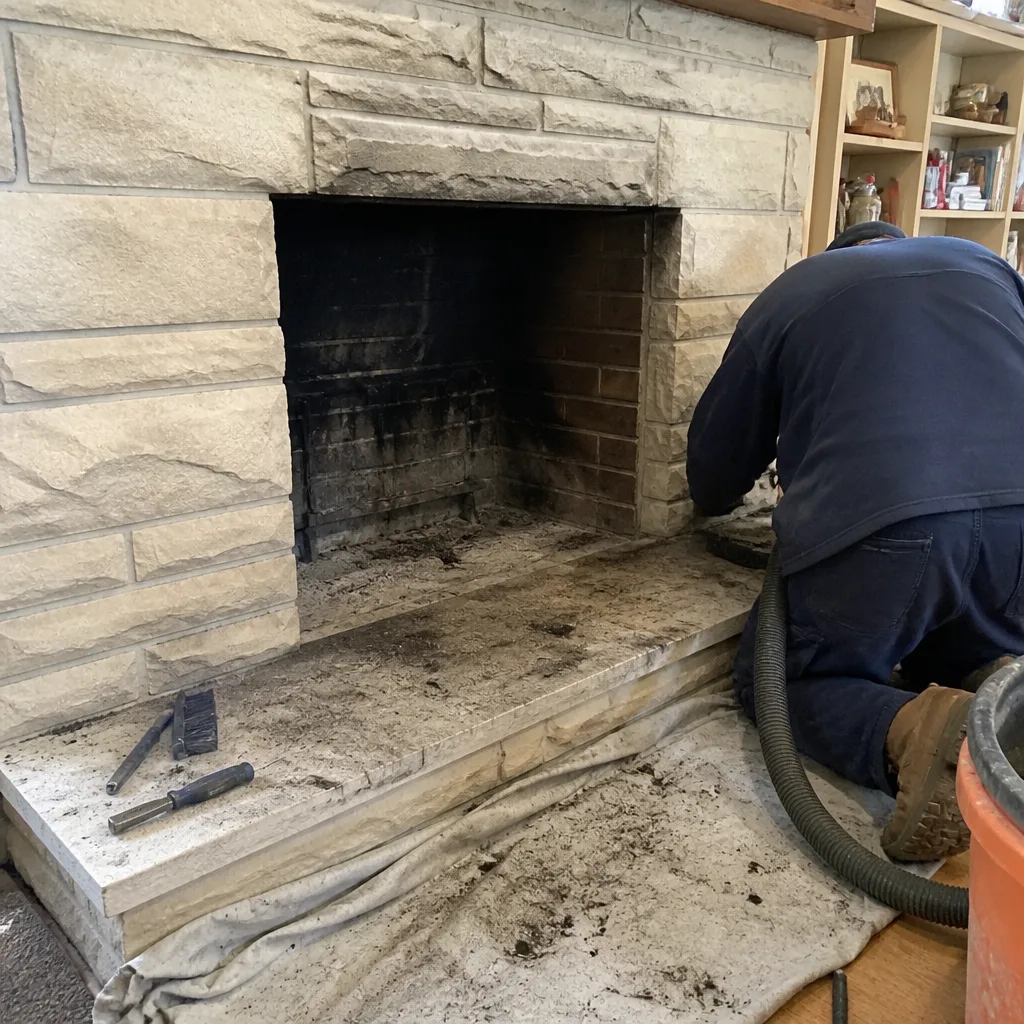 Before
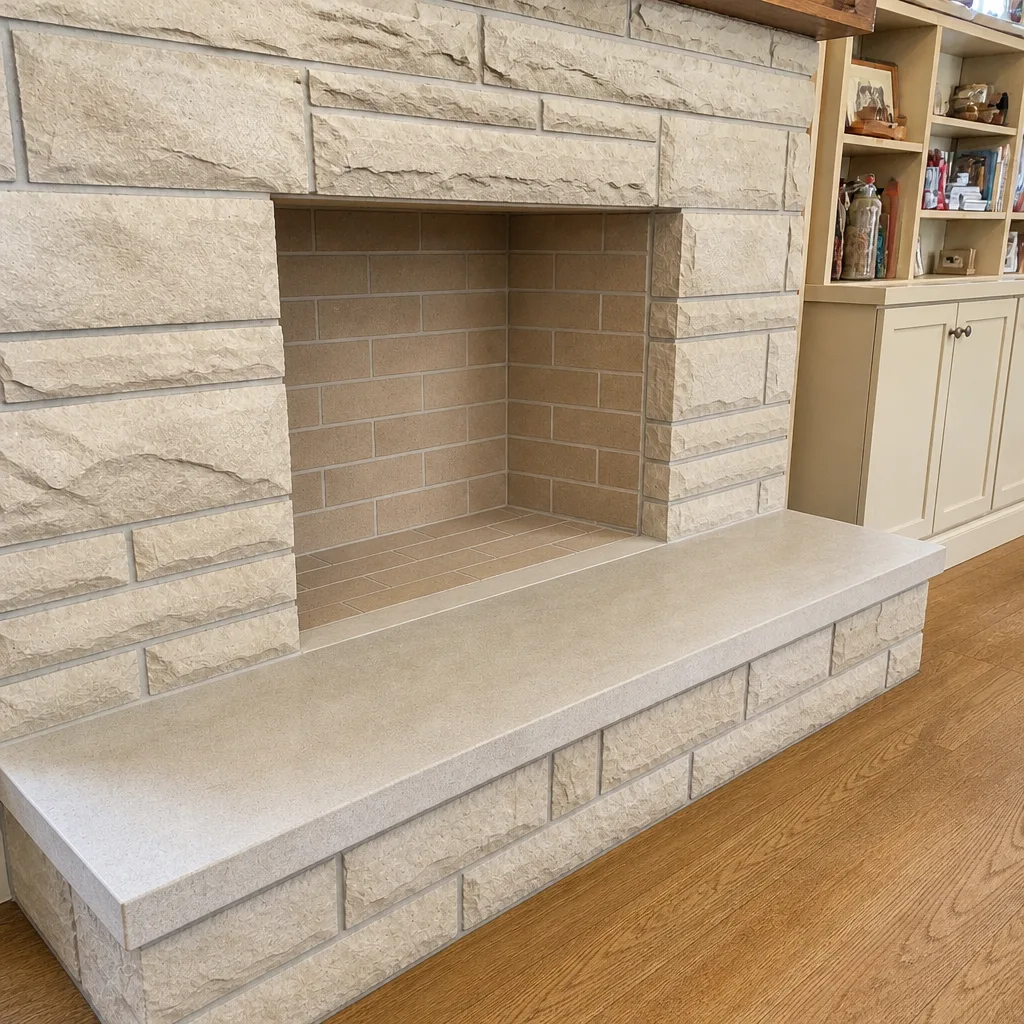 After
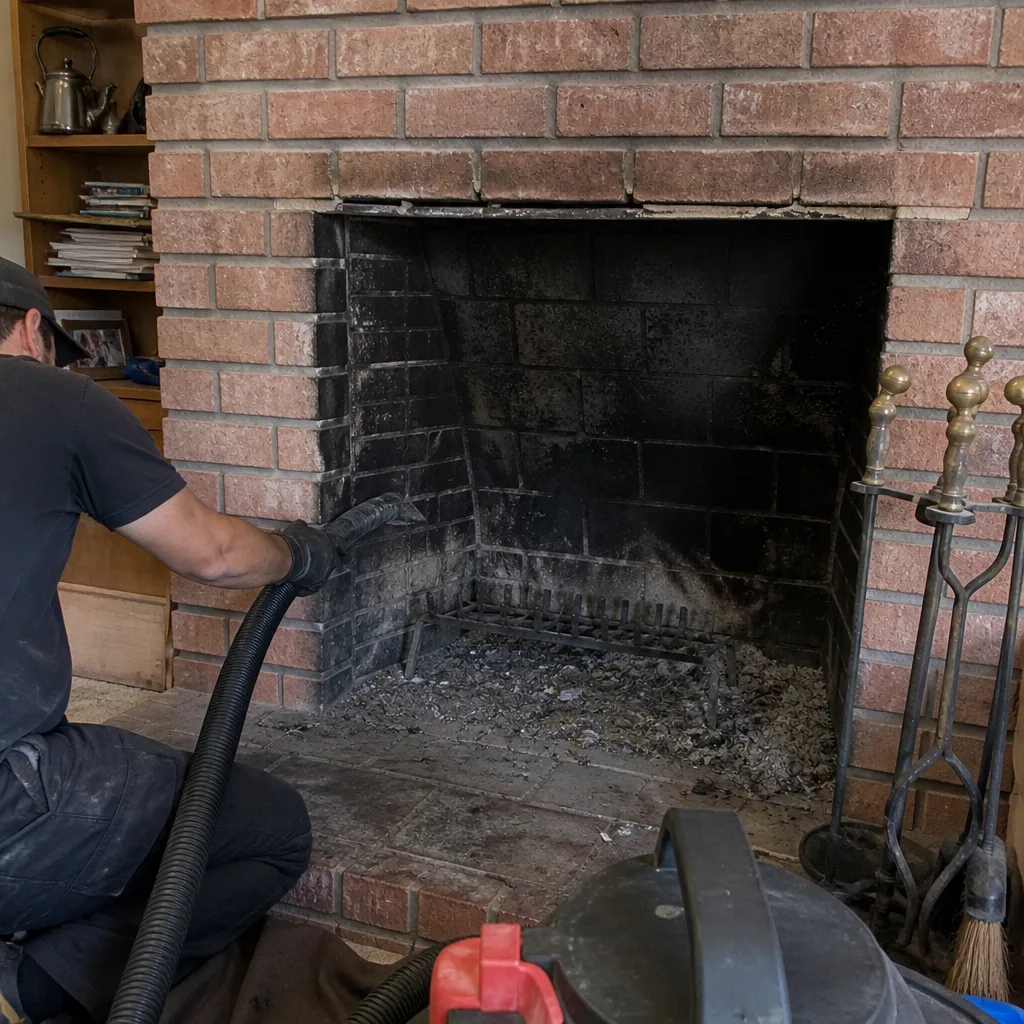 Before
 After
 Before
 After