
Last updated November 24, 2026
 Sweep & inspection
 Caps & crowns
 Flue relining
 Masonry repair
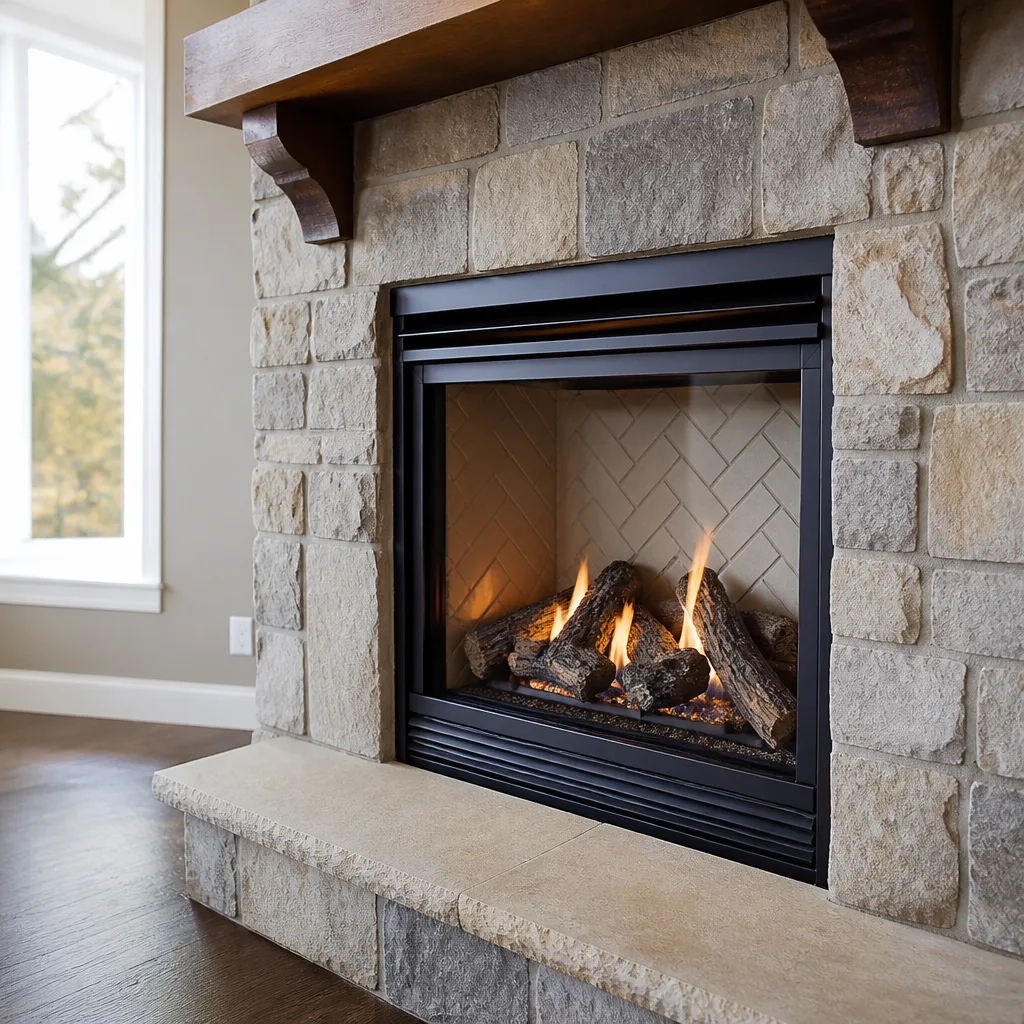 Gas fireplace service
Level 1 sweep and inspection to the NFPA 211 annual standard - flue, crown, cap, and flashing checked and photographed
Chimney sweep logs do not sweep chimneys. They loosen some creosote - which then falls where a brush and vacuum still have to collect it.
Chimney Sweep Maintenance Checklist for Midvale Homeowners
The chimney cap is the first component to fail and the last one most homeowners ever look at. It sits above eye level, out of the weather you feel at the door, and it takes the full force of every freeze and thaw. In Midvale, that cycle runs hard through late winter and early spring: snowmelt in the afternoon, a hard freeze after dark. A hairline crack in a cap or crown opens a little wider each time water gets in and expands. Two winters of that and the damage reaches the flue liner. This guide is a working checklist, component by component, so you know what to check, when to check it, and when it’s time to call a professional.
Quick Answer
A Midvale chimney needs three things every year: a professional sweep and inspection before the burn season starts, a visual check of the cap, crown, and flashing after the spring thaw, and a written log of every service so you can prove the maintenance history at resale or to your insurer. Sweeping intervals should follow your actual burn volume, not a generic national average. Components like the flue liner and smoke chamber need a camera inspection, not a flashlight from below.
Styles & brands we work with
- Sweep & inspection
- Caps & crowns
- Flue relining
- Masonry repair
- Gas fireplace service
Table of Contents
- Why Midvale Chimneys Wear Differently
- The Component-by-Component Checklist
- Service Intervals Calibrated to Your Burn Season
- What You Can Check Yourself Between Visits
- What Requires a Camera or Professional Access
- How to Log Maintenance History for Resale and Insurance
- Red-Flag Conditions That Move Maintenance Into Repair
- The Seasonal Calendar for a Midvale Chimney
Why Midvale Chimneys Wear Differently
Midvale sits in the Salt Lake Valley, which means two local conditions shape how a chimney ages. The first is the freeze-thaw cycle. Water finds a crack in the masonry or the crown, freezes overnight, expands, and pushes the crack wider. When it thaws, the water goes deeper. This repeats through the shoulder months, so the damage accumulates in small increments that are easy to miss from the ground and obvious from the roof.
The second is inversion-season air. Through the winter, the valley traps cold air and the smoke from every fireplace in the neighborhood. A chimney that drafts poorly during an inversion doesn’t just smoke up the room; it deposits creosote and moisture at a different rate than a chimney running in clean, cold, moving air. Homeowners in Midvale who burn regularly often find their flues need attention sooner than a national average would suggest.
Housing stock matters too. Midvale has a mix of older homes with original masonry chimneys and newer construction with factory-built flue systems. The two fail in completely different ways. Masonry cracks and spalls. Factory-built systems have their own liner, cap, and clearances that need to be maintained to the manufacturer’s specification. If you don’t know which type you have, that’s the first thing an inspection should establish.
None of this is a reason to worry. It’s a reason to run a checklist instead of a vague annual reminder. A chimney is a system of components, and each one has its own failure mode. Track them individually and you’ll catch problems while they’re still small. If you’d rather hand the whole system to one specialist, we offer full-system care through our Chimney Sweep Midvale service, from flue to cap.
The Component-by-Component Checklist
Here’s the core of the guide: each part of the chimney mapped to what fails, how you’d spot it, and who should check it. Work top to bottom. The components at the top of the chimney protect everything below them, so a cap failure is never just a cap problem.
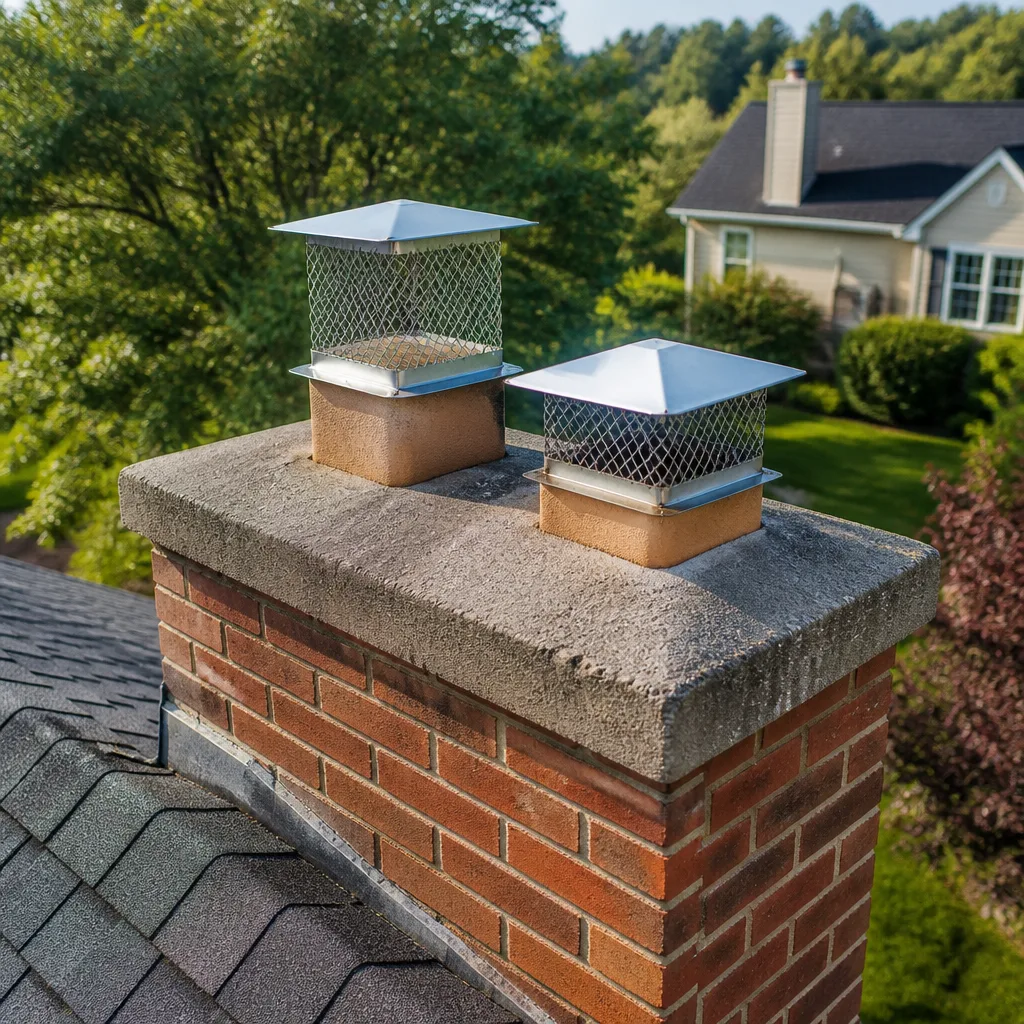
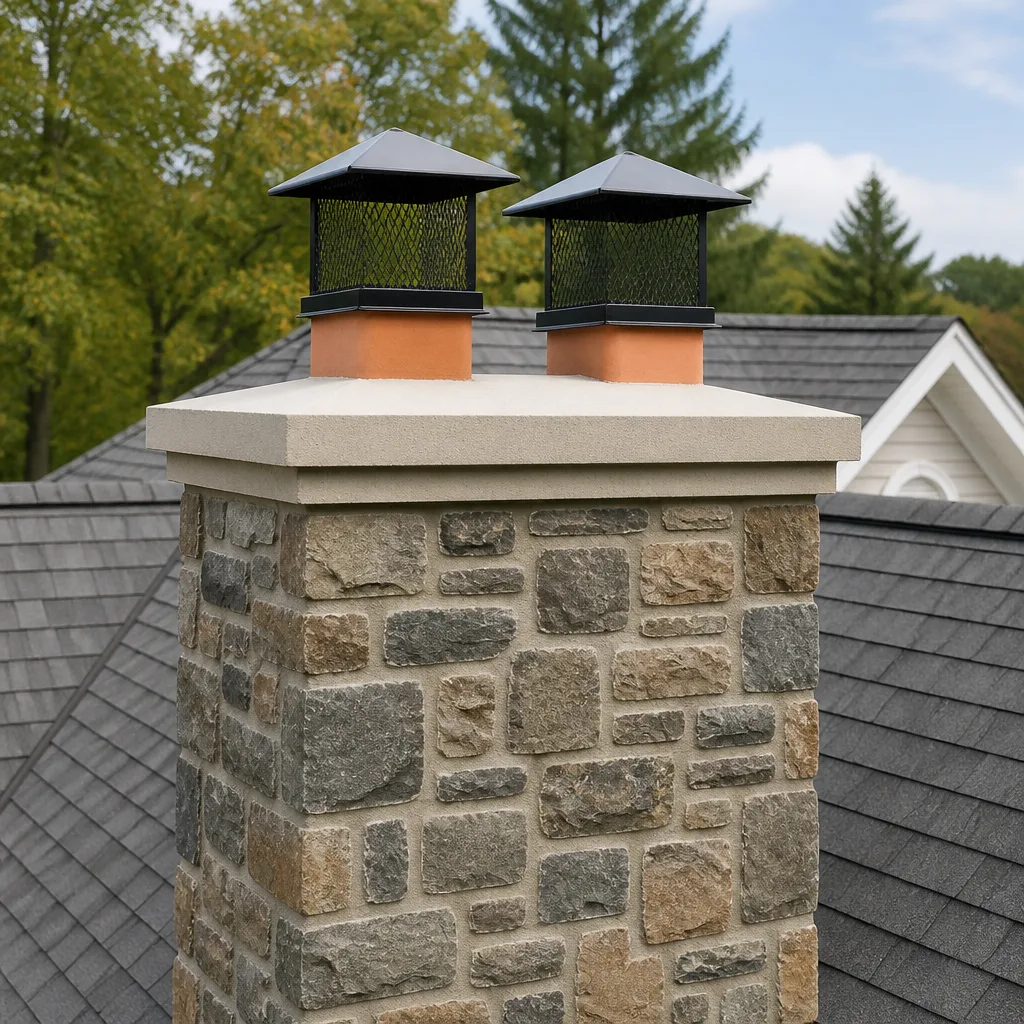
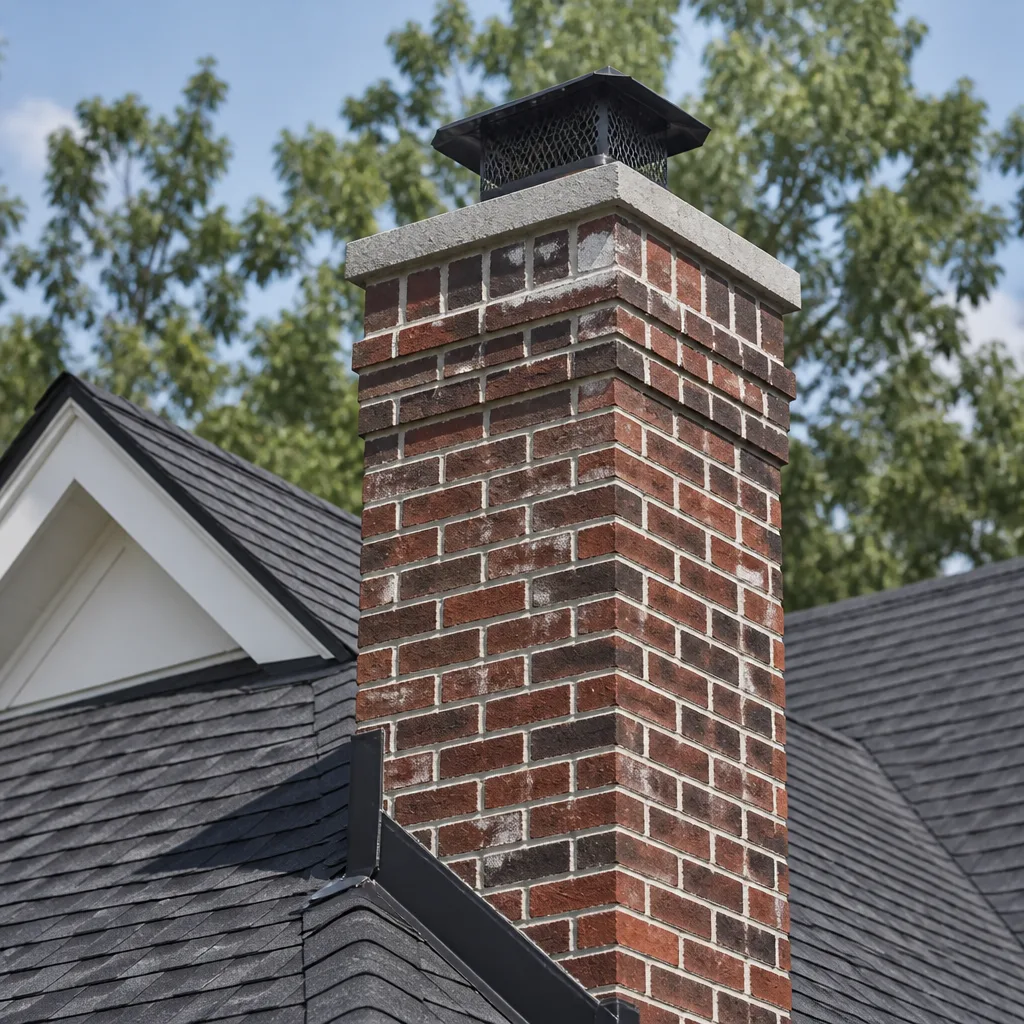
- Chimney cap. Failure mode: cracked or missing cap, failed mesh, or a cap that’s shifted in wind. A missing cap lets rain, snow, birds, and debris straight into the flue. Check from the ground with binoculars after any big storm.
- Crown. Failure mode: cracks in the concrete or mortar crown that shed water into the masonry below. A cracked crown is the leading path for water intrusion and structural damage. It needs eyes on the roof, and a trained hand to repair.
- Flashing. Failure mode: pulled or rusted flashing where the chimney meets the roof, which lets water into the attic and ceiling. Check from the ground and inside the attic after heavy rain or snowmelt.
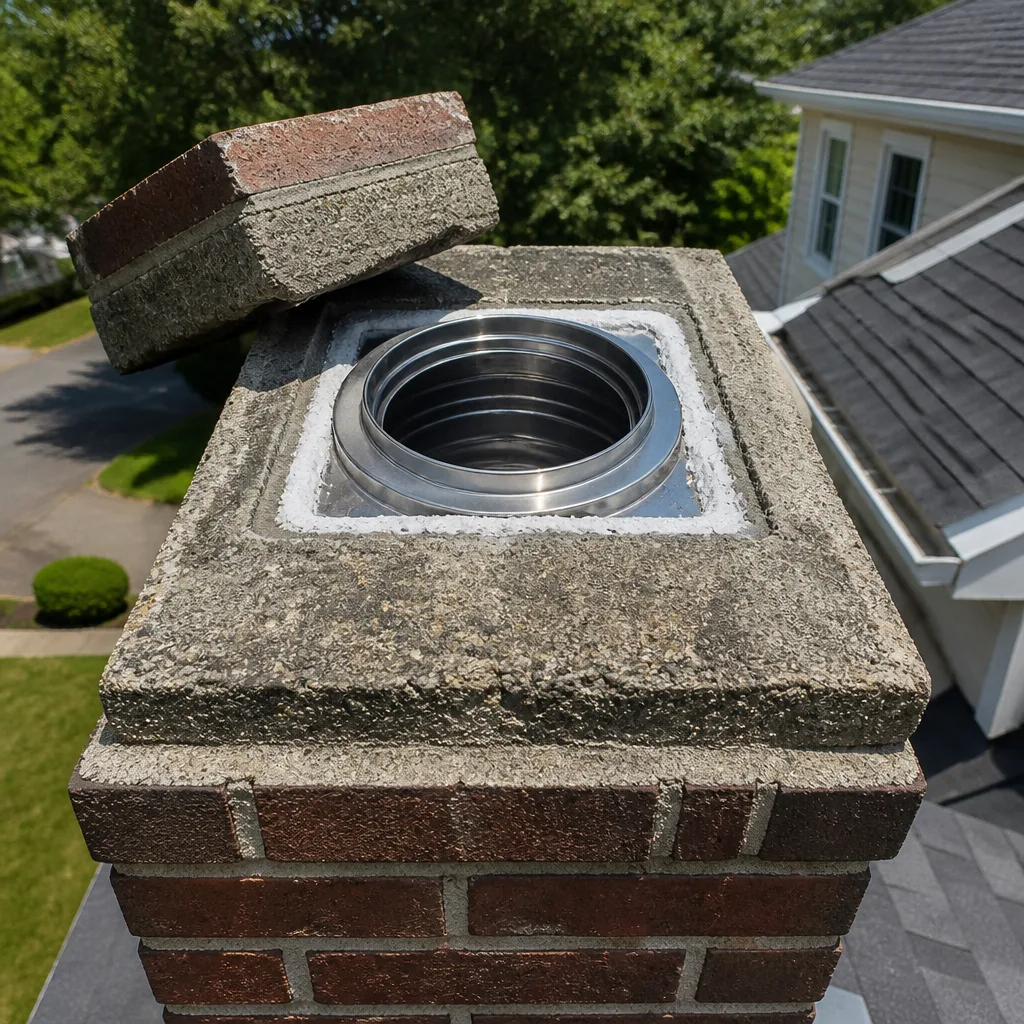
- Flue liner. Failure mode: cracked clay tiles, gaps at the joints, or a liner that’s undersized for the appliance. This is the component that contains combustion gases, and the one that requires a camera inspection. Never assume it’s fine because smoke goes up.
- Smoke chamber. Failure mode: rough or sloped surfaces that collect creosote and slow the draft. Accessible only from above or through the firebox with proper tools. This is where a lot of hidden creosote lives.
- Damper. Failure mode: a damper that sticks open or won’t seal, bleeding heat up the flue when the fireplace is idle, or a broken damper that can’t be operated safely. You can test operation yourself; repair is a trade job.
- Firebox. Failure mode: cracked firebrick, deteriorated mortar joints, or a firebox that’s been patched with the wrong material. Check the brick and joints visually each season.
If you take one thing from this section, take this: the top three components (cap, crown, flashing) are what protect the bottom four. A small problem up top is a big problem below. If you suspect any of them, a professional inspection will confirm it with photos before anyone recommends a repair.
Service Intervals Calibrated to Your Burn Season
National averages assume an average burn volume. Midvale isn’t average. If you burn wood most evenings from November through March, you’re generating creosote at a meaningful rate, and the right interval is set by how much you burn and how you burn it, not by a calendar.
These are the working intervals we recommend for Midvale homeowners, adjusted for how the chimney is used:
- Heavy wood use (fires most days through the season): sweep and inspect annually before the season, and check the cap and crown after the spring thaw.
- Moderate wood use (a few fires a week): sweep and inspect annually. Some chimneys in this range can go a little longer, but the inspection tells you, not the calendar.
- Occasional use (a handful of fires a season): inspect annually and sweep when the inspection shows buildup. Don’t skip the inspection just because you didn’t burn much.
- Gas fireplaces: annual inspection still applies. Gas burns cleaner, but venting, the cap, and the appliance connections still need eyes on them.
- After any chimney fire (even a small one you suspect but didn’t confirm): inspection immediately, regardless of when you last had one.
Why the pre-season sweep? A clean flue drafts better and gives you a baseline for the year. Why the post-thaw check? That’s when freeze-thaw damage to the cap and crown shows up, and it’s when water intrusion is easiest to catch before it spreads. If you’d like a sweep booked before the burn season, our chimney sweep service includes a flat price agreed before we book, so there’s no surprise on the day.
What You Can Check Yourself Between Visits
A good maintenance routine includes a few minutes of homeowner checking between professional visits. These are safe, non-invasive checks that tell you whether to call sooner. They don’t replace an inspection.
- Damper operation. Open and close it fully by hand. It should move smoothly and seal when closed. A damper that sticks or won’t seat is worth a call.
- Firebox brick and mortar. Shine a flashlight on the firebrick and the mortar joints. Look for cracks, missing chunks, or crumbly mortar. Small hairline cracks in the brick are common; crumbling or open joints are not.
- Cap and crown from the ground. Use binoculars. Look for a missing cap, a bent mesh, or an obvious crack in the crown. Don’t get on the roof to look. Roofs are steep, and this is exactly the kind of height work a trained professional should do.
- Ceiling and attic staining. After heavy rain or snowmelt, check the ceiling near the chimney and the attic sheathing for water stains. That’s your flashing signal.
- Draft and smoke behavior. If smoke rolls into the room when you light a fire, the draft is weak. That’s a call, not a wait-and-see.
- Odor when the fireplace is idle. A strong creosote smell on warm days means buildup is significant. Time to book a sweep.
What you should never do yourself: climb on the roof to inspect or repair, reach into the flue, or try to clean the liner with improvised tools. Heights and confined flues are where homeowners get hurt. Call us at (855) 523-1499 for a free estimate if any of these checks raise a flag.
What Requires a Camera or Professional Access
Some of the chimney simply can’t be checked from the firebox with a flashlight. This is the part of the checklist that separates a real inspection from a look-up-the-flue.
The flue liner is the clearest example. Clay tile liners crack at the joints and inside the flue where you can’t see. A camera inspection runs a scope up the flue and shows the actual condition of the liner, the smoke chamber, and the flue above the damper. That camera footage is what tells you whether the liner is sound or whether it needs repair. It’s also what we show you before recommending any work, so you’re looking at the same evidence we are.
The smoke chamber is the second example. It’s the sloped space above the damper and below the flue, and it’s where creosote collects on surfaces that are hard to reach. Cleaning and inspecting it properly takes professional access and the right tools.
We’ve seen plenty of chimneys where the firebox looked fine and the liner above it was cracked. That’s why an inspection is a system check, not a look at one component. If you suspect a liner problem, don’t wait for symptoms. A cracked liner lets combustion gases and heat into the structure of the chimney, and it compromises the whole system. Our chimney repair work starts with a camera inspection, and nothing is recommended until we’ve shown you what’s actually going on.
How to Log Maintenance History for Resale and Insurance
A maintenance log is one of the simplest and most useful things you can keep for a Midvale home, and almost nobody does it. When you sell, a documented chimney history tells a buyer the system has been maintained. When you file an insurance claim after a chimney fire or water intrusion, a log showing regular sweeps and inspections is evidence of proper care.
Keep it simple. A single document, physical or digital, with these fields:
- Date of each service or self-check.
- Type of service: sweep, inspection, repair, cap or crown work, or homeowner check.
- Findings: what was observed, in plain language. “Liner inspected by camera, sound,” or “crown crack noted, repaired.”
- Work performed: what was done and what materials were used.
- Photos or the inspection report: keep the camera inspection footage and the written report with the log.
- Who performed it: the company and the date. No need for names.
Ask for a written inspection report after every visit. A professional inspection produces one, and the report is the document that makes the log useful. Our camera inspections come with a photo report included, so you always have something to file.
Red-Flag Conditions That Move Maintenance Into Repair
Most of the checklist is routine. A handful of findings mean stop and repair before you burn again. This is the list to keep in mind.
- A cracked or missing flue liner. The liner contains combustion gases and heat. A cracked liner is a repair item, not a maintenance item. Don’t burn until it’s addressed.
- A cracked crown with water entering the masonry. Water in the masonry around the flue is a path to structural damage and liner damage. Repair the crown.
- Pulled or rusted flashing. Water into the attic and ceiling. Repair it.
- Glazed, heavy, or layered creosote in the flue. Regular creosote is a sweep. Heavy glazed creosote is a fire risk and needs professional removal before the next fire.
- A damaged firebox with open mortar joints or broken firebrick. The firebox is what contains the fire. Repair it before using the fireplace.
- Smoke rolling into the room, or a strong smoke smell when idle. Draft and buildup issues. Book an inspection.
- Any suspected chimney fire. Even if it went out on its own. Inspect before lighting another fire.
Two repair solutions come up often in Midvale. For a liner that’s cracked but the structure is sound, HeatShield resurfacing repairs the existing liner without a full replacement, which saves cost and avoids masonry demolition. For a flue that needs a new liner, DuraFlex flexible liner systems reline the flue with a durable, code-compatible solution. Both are contractor-grade materials specified by certified chimney professionals, and they’re a big part of why we can repair instead of always replacing. Call (855) 523-1499 if you’re facing one of these red flags.
The Seasonal Calendar for a Midvale Chimney
Timing your maintenance to the Midvale seasons gets more out of every visit. Here’s the calendar we recommend.
- Late summer / early fall: book the annual sweep and inspection before the burn season starts. A clean flue and a documented baseline.
- First fires of the season: watch the draft. Smoke behavior on the first fires tells you a lot about whether the summer left anything wrong.
- Mid-winter: keep an eye on the cap and crown visually, and check the damper. Inversion-season burning can accelerate buildup, so listen for signs like a strong idle smell.
- Spring thaw: the critical check. Look at the cap, crown, and flashing after the snowmelt. This is when freeze-thaw damage shows itself. Book a visual inspection if anything looks off.
- Summer: the best time for repair work. If the inspection found a crown, cap, or liner issue, get it repaired in the dry months so the repair can cure and the chimney is ready for fall.
That calendar does two things. It puts the sweep and inspection ahead of the season, when you have room to schedule it. And it uses the spring thaw as a free diagnostic window, because freeze-thaw damage shows up then. If you’re due for the fall sweep, call (855) 523-1499. We answer 24/7. Fast dispatch from 7am to 7pm, Sunday through Friday.
Common Mistakes to Avoid
- Treating “annual” as “sometime this year.” The pre-season timing is part of the point. A sweep in February does nothing for the fires you already burned.
- Checking the cap and crown from the ground and calling it done. Binoculars show obvious damage. They don’t show a hairline crack that’s already letting water into the masonry.
- Assuming gas means no maintenance. Gas fireplaces still vent, and the venting, cap, and connections still need annual inspection.
- Skipping the camera inspection because the firebox looks fine. The liner is where the failures hide, and it’s above the firebox.
- Letting a patch stand in for a repair. A quick mortar patch over a cracked crown relocates the problem; it doesn’t solve it. Midvale’s freeze-thaw cycle will find the weak spot next winter.
- Not keeping records. A chimney history is a document that helps at resale and with insurance, and it’s the easiest thing on this list to start today.
- Burning a fire after a suspected chimney fire without an inspection. Heat can crack a liner in ways you can’t see from the firebox.
See the difference
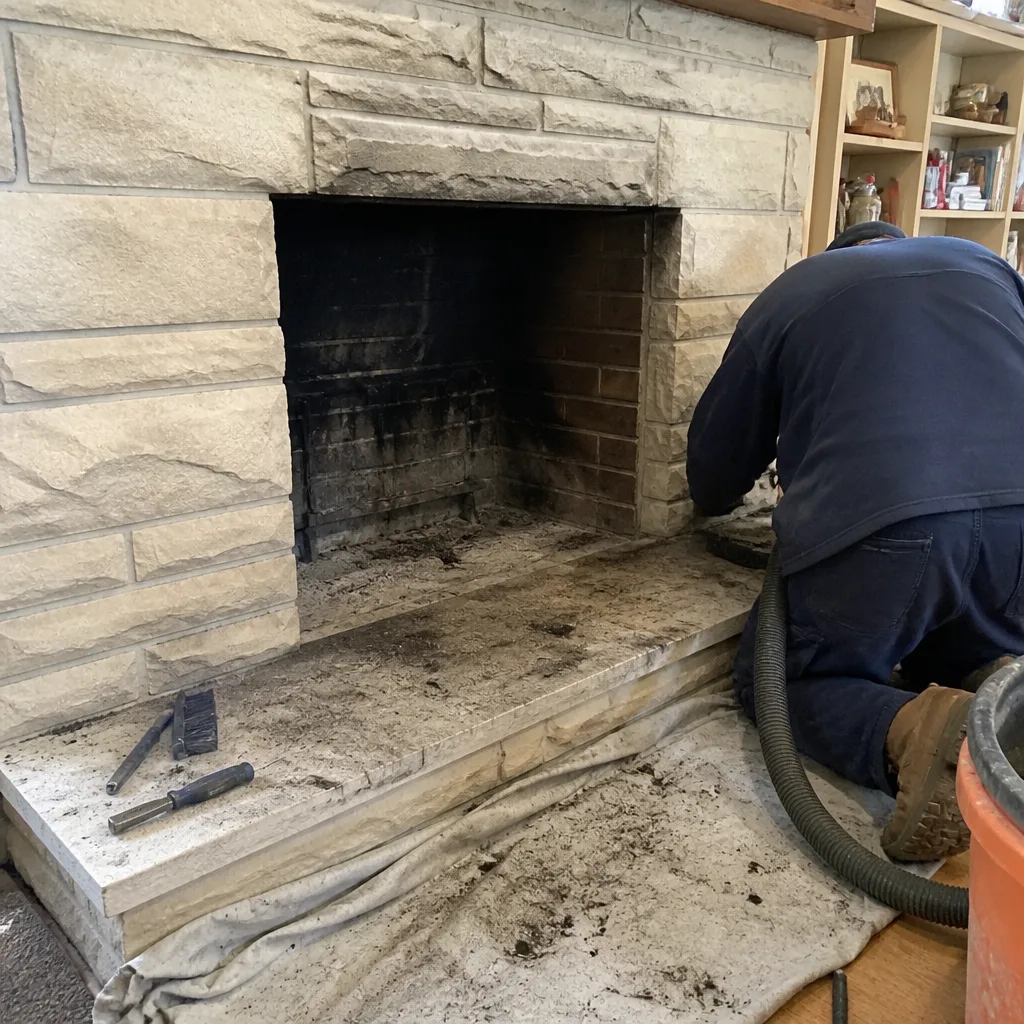 Before
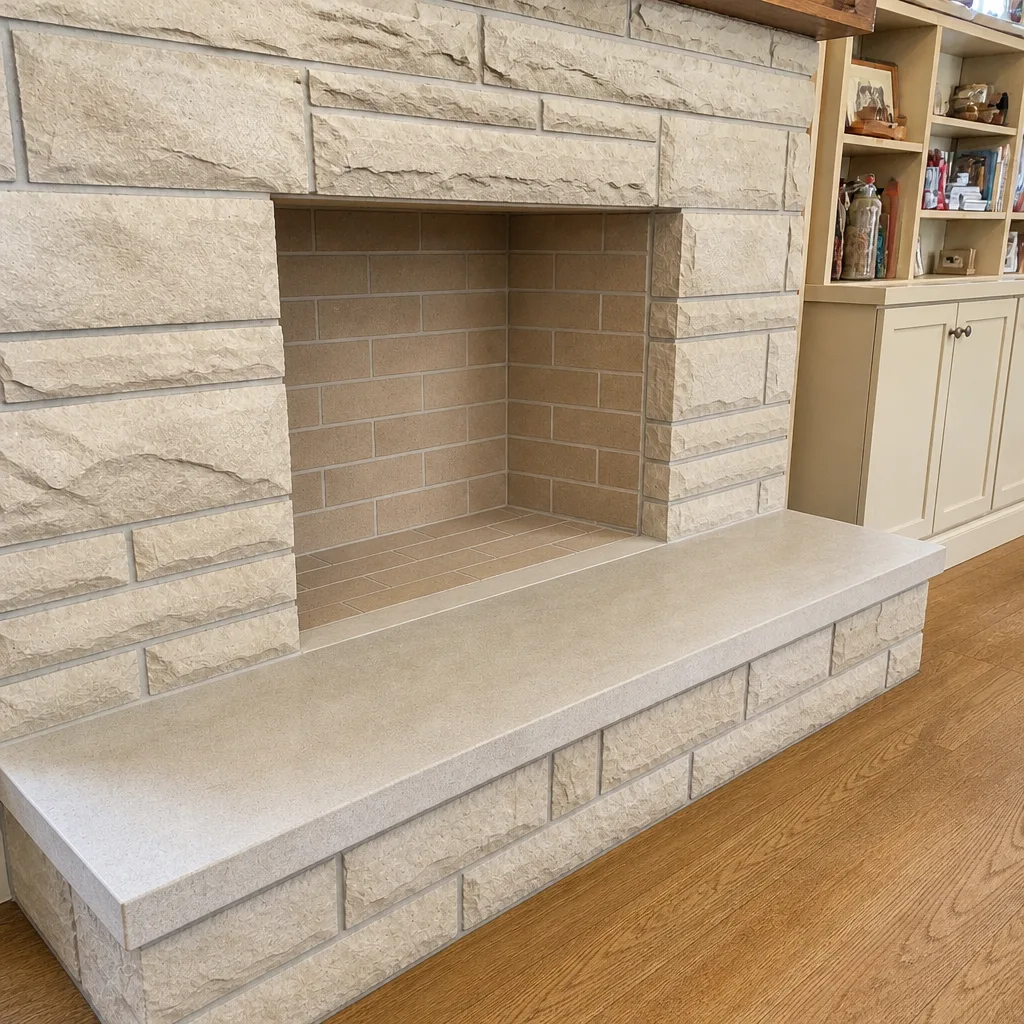 After
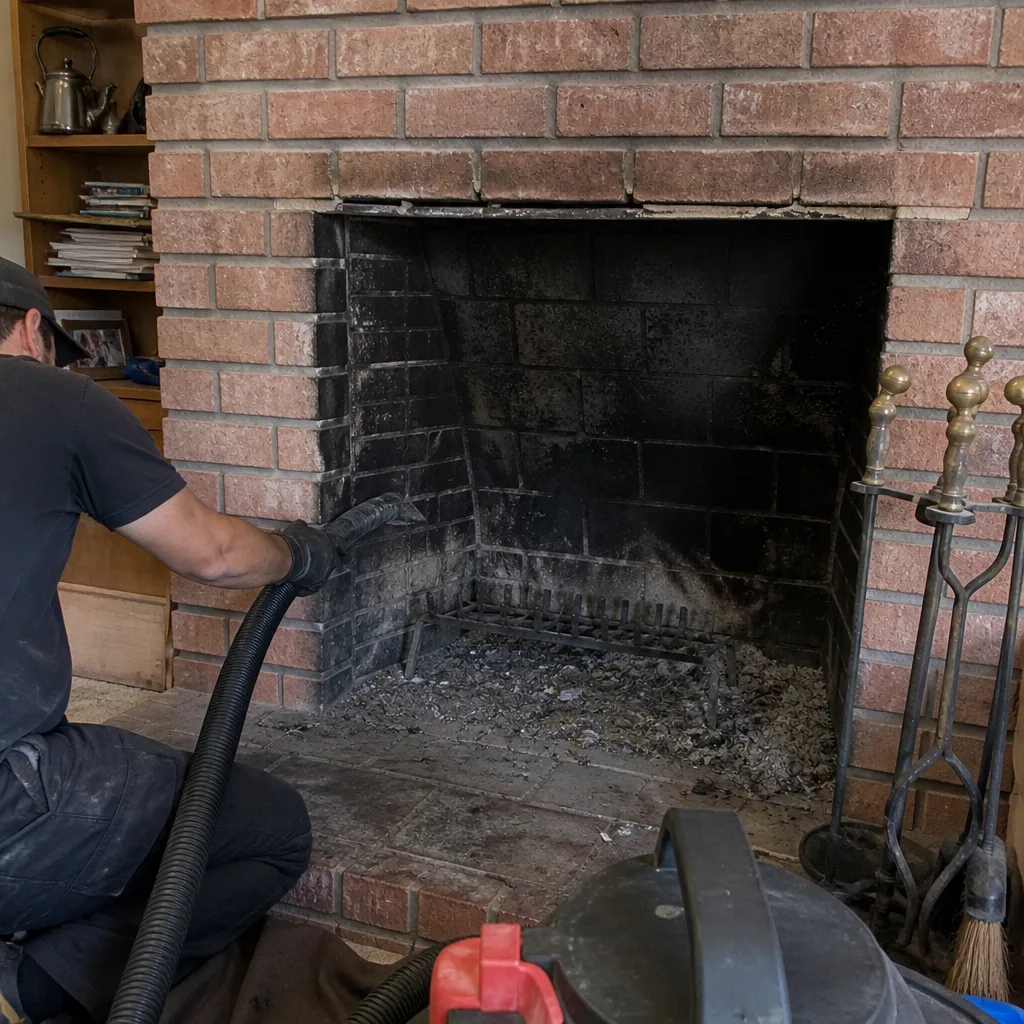 Before
 After
 Before
 After
When to Call a Professional
Call a professional when any check on this list comes back red: a missing or cracked cap, a cracked crown, pulled flashing, a damper that won’t operate, cracked firebrick, smoke rolling into the room, a strong creosote smell when idle, or any suspected chimney fire. Call before the burn season for the annual sweep and camera inspection, and call after the spring thaw if the cap or crown looks off. If you’re buying a Midvale home, get an inspection before you close, because a documented chimney history is worth more than a verbal assurance.
Chimney Sweep Midvale offers free estimates in Midvale. We connect you with a vetted local professional who works with contractor-grade chimney materials. Call (855) 523-1499 for an estimate. We answer 24/7. Fast dispatch from 7am to 7pm, Sunday through Friday.
Frequently Asked Questions
Annually for most Midvale homes, but the interval is set by how much you burn, not by a national average. Heavy wood use means an annual sweep before the season. Occasional use means an annual inspection and a sweep only when the inspection shows buildup. A camera inspection is the only reliable way to know when a sweep is actually due. Call (855) 523-1499 for a free estimate.
A standard sweep in Midvale is typically priced per job, with a flat price agreed before we book. The written estimate sets the final price, and it’s free. Because the cost depends on the flue type and access, the estimate is the right first step. Call (855) 523-1499 for an exact quote. Estimates are free.
Not necessarily. A cracked liner can sometimes be repaired with HeatShield resurfacing instead of a full replacement, which avoids masonry demolition. What determines the answer is the camera inspection, not a guess. We show you the footage before recommending anything. Call (855) 523-1499 to book an inspection.
Small problems get a full year to grow. In Midvale’s freeze-thaw cycle, a hairline crown crack becomes a water intrusion path that affects the liner and the masonry. Creosote builds, draft weakens, and a maintenance item becomes a repair. Skipping the inspection is the one decision that reliably costs more later. Call (855) 523-1499 to get back on schedule.
You can safely do the visual and operational checks in this guide: damper, firebox brick, cap and crown from the ground with binoculars, ceiling and attic staining, draft behavior, and idle odor. You can’t inspect the flue liner or smoke chamber without a camera and professional access, and you shouldn’t get on the roof to try.
Summer. If the spring thaw check or the inspection finds a crown, cap, or liner issue, the dry months are the best window to get it repaired and let it cure before fall. A repair made in summer is ready for the next burn season. Call (855) 523-1499 for a free estimate.
Yes. Gas burns cleaner, but the venting, cap, and appliance connections still need annual inspection, and the components age the same way. A gas fireplace that hasn’t been inspected still has a vent and a cap that can fail. Call (855) 523-1499 to book a fireplace repair or an inspection.
The Bottom Line
A Midvale chimney is a system, and the checklist that keeps it healthy tracks each component to its failure mode, its interval, and the local conditions that accelerate wear. Sweep and inspect before the burn season. Check the cap, crown, and flashing after the spring thaw, because that’s when freeze-thaw damage shows. Use a camera inspection for the liner and smoke chamber, because the flashlight doesn’t reach them. Log every service, because the history pays off at resale and with insurance. And know the red flags that move a maintenance item into repair. Do those things and you’ll catch small problems while they’re small.
Ready for a sweep or an inspection? Call (855) 523-1499 for a free estimate. We answer 24/7. Fast dispatch from 7am to 7pm, Sunday through Friday. Your flue, liner, crown, and cap – covered by one specialist.
Written by the team at Chimney Sweep Midvale.