
Last updated November 24, 2026
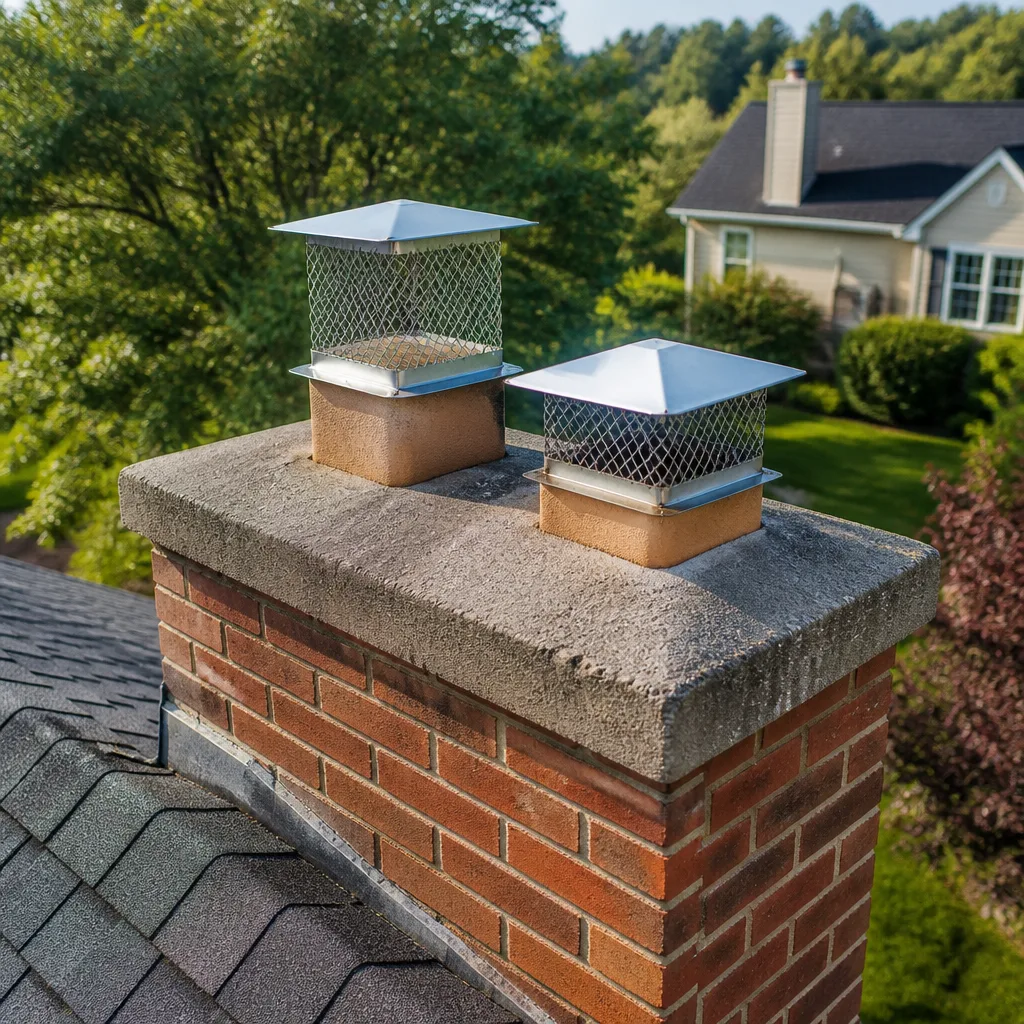 Sweep & inspection
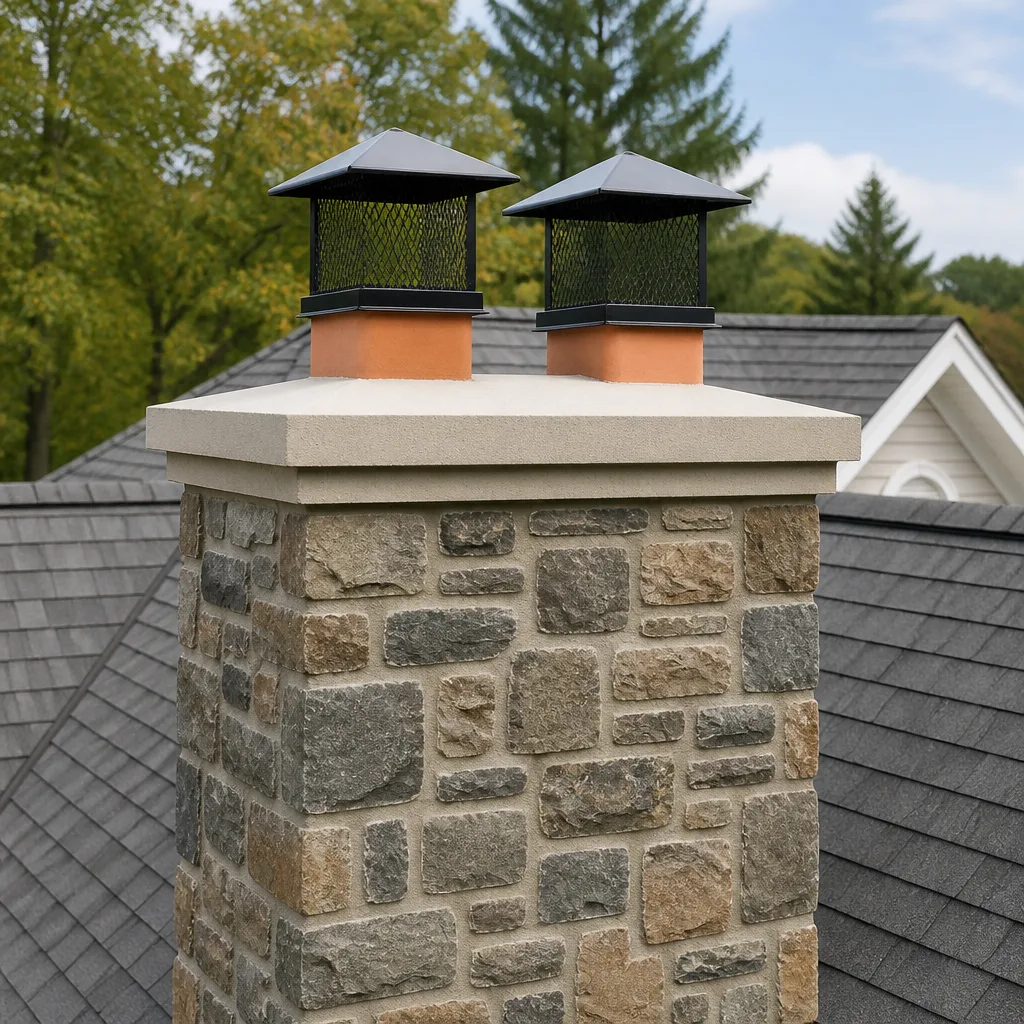 Caps & crowns
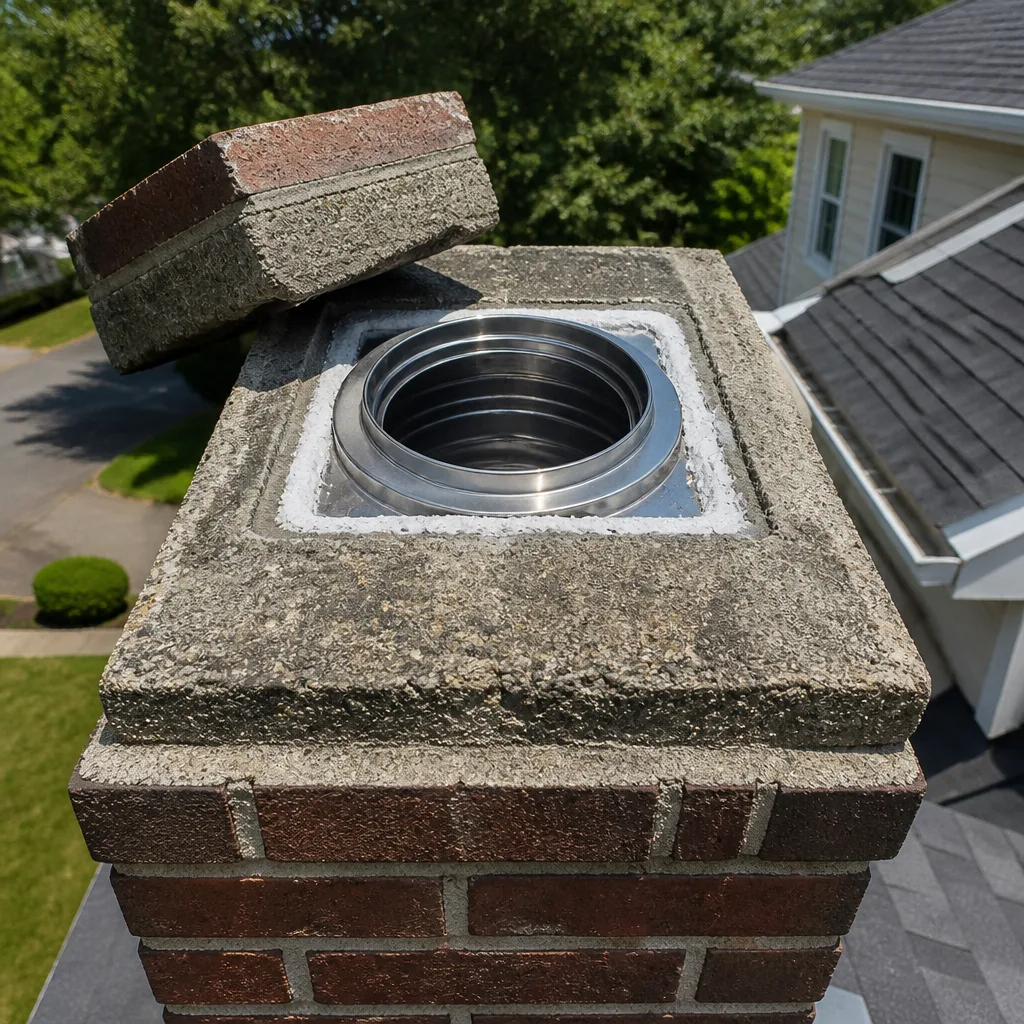 Flue relining
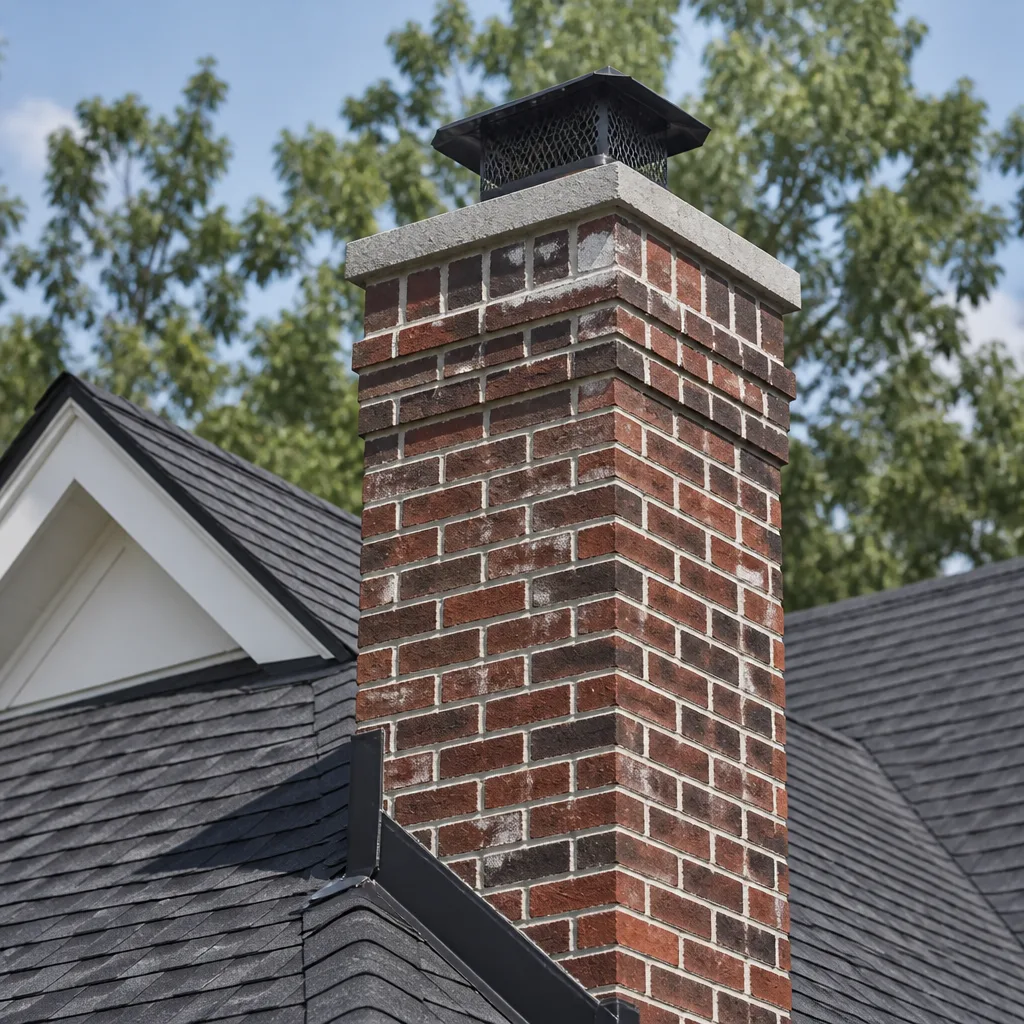 Masonry repair
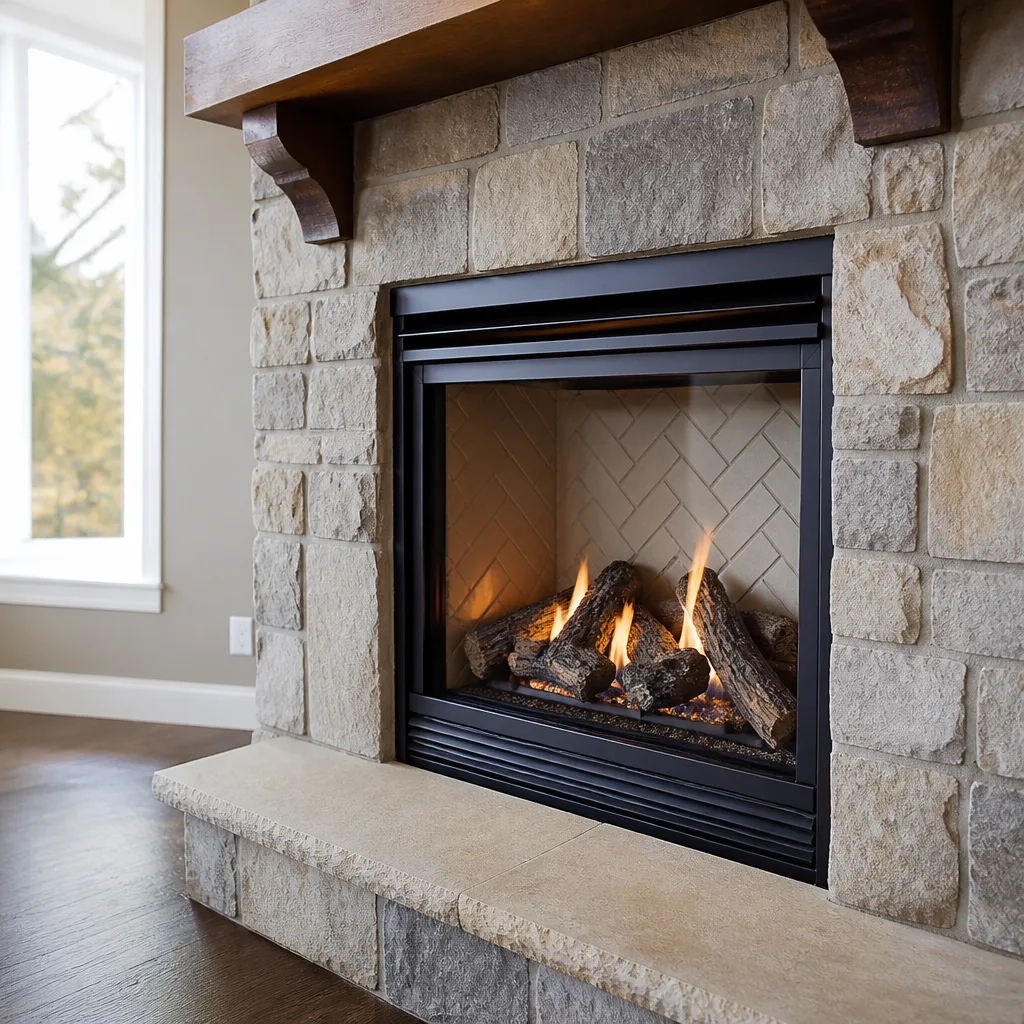 Gas fireplace service
Level 1 sweep and inspection to the NFPA 211 annual standard - flue, crown, cap, and flashing checked and photographed
Chimney sweep logs do not sweep chimneys. They loosen some creosote - which then falls where a brush and vacuum still have to collect it.
How to Hire a Chimney Cleaning Contractor in Midvale: A Step-by-Step Guide
Most homeowners vet a chimney contractor the way they’d vet a plumber or a painter: compare three bids, pick the middle one, and hope for the best. That approach breaks down with chimney work. A chimney is a fire-safety system made of masonry, metal, and moving combustion gases, and the person you hire is simultaneously a mason, a venting specialist, and a code reader. Utah doesn’t license chimney sweeps at the state level, so nobody hands you a credential you can verify in a database. The only quality signals you’ll get are the ones a contractor volunteers to show you before they set foot inside your Midvale home. This guide walks you through exactly which signals matter, what to demand in writing, and how to tell a focused chimney trade from a handyman with a shop vac.
Key Takeaways
- 1
Utah has no state chimney-sweep licensing requirement, so certification and documentation are volunteered or they’re absent.
- 2
A verbal assessment protects nobody. Ask for a written inspection report with photos before any repair is authorized.
- 3
Scope-of-work descriptions are where vague quotes hide. Insist on line items, not a lump sum.
- 4
The liner and crown materials a company uses tell you more about their standards than any sales pitch.
- 5
The technicians you’ll meet have up to 10 years of experience, and that experience should show up in how they explain what they find.
Quick Answer
To hire a chimney cleaning contractor in Midvale, verify certification (CSIA is the recognized standard), demand a written scope of work and a written inspection report rather than a verbal one, ask which liner and crown materials the company installs, and confirm the company does focused chimney work rather than chimney as an add-on to general handyman services. Expect a free estimate up front and a written estimate that sets the final price before any work begins. A contractor who can’t or won’t put all four in writing is telling you something useful.
Styles & brands we work with
- Sweep & inspection
- Caps & crowns
- Flue relining
- Masonry repair
- Gas fireplace service
Table of Contents
- Why Hiring in Midvale Is Different From Hiring a General Contractor
- What CSIA Certification Actually Verifies (and What It Doesn’t)
- How to Compare Quotes When Scope Descriptions Are Vague
- Why Contractor-Grade Materials Matter and How to Ask About Them
- Is This a Chimney Trade or a Handyman Add-On?
- What a Written Inspection Report Should Include
- 12 Questions to Ask Before You Book
- Midvale Climate, Housing, and Your Chimney
Why Hiring in Midvale Is Different From Hiring a General Contractor
The comparison framework homeowners use for general contractors doesn’t transfer cleanly to chimney work. Three things make this category unusual, and each one changes how you should interview a company.
First, there’s no state licensing layer. In Utah, chimney sweeping has no licensing requirement, so there’s no board to check, no license number to look up, and no disciplinary record to pull. That means the credential a sweep volunteers to show you is the entire signal you get before they’re standing in your living room. Second, chimney work straddles trades that are normally separate: masonry repair, venting and HVAC principles, and fire safety. A mason may not understand draft and flue sizing. An HVAC technician may not understand crown cracking and water intrusion. Third, the consequences of bad work are delayed. A poorly sealed crown doesn’t fail the day it’s installed; it fails over a couple of winters, by which time the contractor is long gone.
Midvale sits in the Salt Lake Valley, and that geography shapes what chimney problems show up locally. Valley inversions trap cold air and combustion byproducts near the ground for days at a time, which is why a wood-burning fireplace that drafts poorly in January gets noticed here faster than in a windier location. The housing stock matters too. Midvale has a wide mix of older homes with original masonry chimneys and newer construction with prefabricated metal systems, and those two categories need different inspection methods and different materials. A contractor who only works on one type will quietly steer you toward whatever they’re set up to sell.
So the hiring bar is higher, not lower. You’re not vetting a license; you’re vetting a trade identity, a documentation habit, and a materials standard. The rest of this guide takes each one in turn.
What CSIA Certification Actually Verifies (and What It Doesn’t)
The Chimney Safety Institute of America (CSIA) is the recognized certifying body for chimney sweeps in the United States. When a company says a technician is CSIA-certified, it means that individual passed a standardized exam on chimney and venting systems, sweeping practice, and codes, and maintains the credential through continuing education. That’s meaningful. It separates someone who trained on the actual system from someone who bought a brush and a ladder.
Here’s what it doesn’t cover, and this is where homeowners get surprised:
- Structural masonry. Certification doesn’t verify that a technician can properly assess a failing chimney breast, rebuild a shoulder, or judge whether a cracked crown has compromised the masonry below.
- Liner replacement design. Certification covers understanding venting, but not the specific skill of sizing and installing a flexible liner system for your flue.
- Waterproofing and crown coatings. These are repair specialties with their own material knowledge, and they sit outside the certification scope.
- Company-level practices. A certified technician can work for a company with sloppy documentation habits or vague quotes. The certificate travels with the person, not the business.
What this means practically: certification is a floor, not a ceiling. Use it to screen out the unprepared, then evaluate the actual company on the documentation and materials sections below. When we’re asked directly, we tell homeowners the same thing. A CSIA-certified technician is worth seeking out, and a company that does full-system chimney care will pair that certification with repair capability, written reporting, and specified materials rather than letting the certificate do all the talking.
How to Compare Quotes When Scope Descriptions Are Vague
Chimney quotes are often written to be compared on price alone. “Chimney sweep and inspection: $X.” “Liner replacement: $Y.” Those two lines could describe wildly different jobs, and the vaguer the description, the more room there is to expand the price once work starts. The fix is to force the quote into line items before you compare anything.
- Demand a written scope. Ask each company to describe what they will clean, inspect, and repair, in writing, before quoting a total. The sweep element should name the flue or flues covered. The inspection element should name the method used to look at the interior of the flue, not just what’s visible from the hearth.
- Ask what’s excluded. A quote that doesn’t state exclusions is telling you the contractor reserves the right to add them later. Ask specifically whether the price includes a camera inspection, removal of creosote from the smoke chamber, and any masonry work.
- Separate labor from materials. For any repair, ask for the materials specified and the labor separately. This is how you catch a quote that’s low on labor but planning to use a cheap liner.
- Request the written inspection report as its own deliverable. The report should be a standalone document you receive whether or not you buy the repair. If the report only exists to justify a quote, it isn’t a report.
- Compare the same scope, not the same total. Put the line items side by side. The cheapest total on unequal scope is not a bargain; it’s a quote for a different job.
In our experience, the honest quotes get longer once the scope is spelled out, not shorter. A contractor who knows the trade has no trouble naming what they’ll do and what they won’t. One who pushes back on line items is showing you how the job will be managed. The estimate is free and the price is set per job by the written estimate, so there’s no cost to demanding detail before you sign anything.
Why Contractor-Grade Materials Matter and How to Ask About Them
The materials a chimney company installs decide how long the repair actually lasts. A liner system is a controlled product with a specified wall thickness, temperature rating, and connection method. A crown coating is a formulated product with a defined cure and flexibility. Those aren’t interchangeable with the cheapest option at a supply house, and the difference often only shows up after several seasons.
Professional-grade brands exist precisely because chimney conditions are harsh: acidic condensate, thermal cycling, and moisture. A few names worth knowing when you’re comparing:
- DuraFlex flexible liner systems, used for re-lining flues that need a durable, code-compatible solution without full masonry demolition.
- HeatShield resurfacing, a professional system for repairing a damaged or deteriorated liner without full replacement. This is the repair many general contractors simply can’t offer, because it requires specific application training and material.
- Famco and Copperfield chimney caps and related components, the finishing end of a system that’s supposed to keep water out.
You don’t need to memorize brands. You need to ask one question and listen to the answer: “Which liner and cap products do you install, and why those?” A focused chimney trade answers with names, ratings, and reasons. A company that says “whatever the supplier has” or “a standard liner” is telling you the materials aren’t part of their standard. A HeatShield application in particular is a good litmus test, because a specialist who can resurface a damaged liner can often save you the cost of full replacement. That capability is why we work with it. If a company can’t offer it, ask whether replacement is genuinely necessary, because sometimes it isn’t.
We work with a curated set of professional-grade brands including DuraFlex and HeatShield, and we mention them because they’re specified by certified chimney professionals, not because the name itself does the work. The work is the sizing, the fit, and the record of what went in. Which brings us to the next question.
Is This a Chimney Trade or a Handyman Add-On?
Many general contractors and handyman services have added chimney sweeping to their service list. Some do competent sweep work. The problem is what happens when they open something up and find a real repair need. A handyman may not be equipped to handle a liner replacement, a crown rebuild, or a fireplace masonry repair, which means the scope gets referred out or pushed back onto you. That’s why asking whether the company is a focused chimney trade matters.
Here’s how to tell the difference in a few questions:
- “What services do you offer?” A focused chimney company lists a defined set: sweep, inspection, and the repair work that follows. A generalist lists chimney as one of many lines on a long menu.
- “What happens if you find a repair need during the sweep?” A focused trade handles it in-house. A generalist refers it or quotes it separately. Either way, ask who actually does the work.
- “Do you provide a written report before recommending repair?” This is the tell. A company that leads with inspection evidence and follows with a recommendation operates differently from one that leads with a quote.
- “Can you describe a liner sizing decision?” Not a trick question. A focused chimney trade can explain how flue size is matched to the appliance and why undersizing causes problems.
For a Midvale homeowner, the practical value is that one company handles the full system: the Chimney Sweep Midvale side of things, the inspection, the fireplace work, and the cap and crown. That means the person who sweeps your flue is also the person accountable for anything they find. You’re not passing a report between three contractors, each blaming the other. Full-system coverage is worth asking about directly.
What a Written Inspection Report Should Include
A verbal assessment is a liability, not a convenience. If a contractor tells you the chimney needs a liner and hands you a price, you have no record of what was actually observed, no reference point for a second opinion, and no protection if the work is later disputed. A written report is a standard deliverable in a properly run chimney trade, and it should exist independently of any repair quote.
When we produce an inspection report, it covers:
- Method used. What was inspected and how, including whether a camera was used to look at the interior of the flue and the smoke chamber.
- Findings with evidence. Photos or video of what was observed, so you can see the condition for yourself rather than taking it on faith.
- Each component assessed. The flue and liner, the smoke chamber, the damper, the firebox, the crown, and the cap, each noted separately.
- A recommendation with a clear ranking. What must be done now, what should be done soon, and what can safely wait. A report that recommends everything is a report that recommends nothing.
- Materials specified. If a repair is recommended, the specific products are named, not described as “a liner.”
- Who performed the work and when. A signature and a date, so the report has an author and a timestamp.
This is the piece homeowners overlook most often, because it feels administrative. It isn’t. The written report is what you compare a second opinion against, what you show your insurer if something goes wrong, and what keeps the recommendation honest. If you can see the camera evidence, you can judge for yourself whether the repair is necessary. That’s the point. Nothing gets recommended without evidence you can review.
What’s Involved in the Work Itself
Understanding the service helps you read a quote correctly. A standard chimney sweep in Midvale involves cleaning the flue, the firebox, and the smoke chamber, and capturing the debris so it doesn’t end up in your home. For a wood-burning appliance, the main focus is creosote removal, and the amount of creosote found determines whether a sweep is routine or whether the chimney has reached a condition that needs closer attention.
An inspection is usually done in the context of that sweep, and its purpose is to assess the system rather than clean it. Repairs range across the system, and knowing what’s on the menu helps you spot a quote that skips something:
- Sweep: removing creosote and debris from the flue, firebox, and smoke chamber.
- Inspection: assessing the full system and producing a written report with findings.
- Fireplace repair: work on the firebox, damper, and masonry where damage has occurred.
- Chimney repair: liner and flue repair, including resurfacing with HeatShield where appropriate, or installing a DuraFlex flexible liner where replacement is necessary.
- Cap and crown: the top end of the system, where water intrusion and structural damage usually start.
The cap and crown work tends to get postponed because it’s not visible from the living room, and that’s exactly backwards. In a climate that freezes and thaws repeatedly through the winter, water that gets past a failed crown or a missing cap works into the masonry and then expands when it freezes. Over a few seasons, that’s how a small crown crack becomes a masonry repair. If a company quotes cap and crown as an afterthought, ask them to explain what they see up there and why they’re prioritizing it the way they are.
12 Questions to Ask Before You Book
These questions are designed to reveal, in one conversation, what kind of company you’re dealing with. Ask them before scheduling, and keep the answers.
- Is the technician who’ll be at my home CSIA-certified, and can you tell me what that certification covers? A focused trade answers the second half without hesitation.
- What exactly does your sweep include? The flue, the firebox, and the smoke chamber should be named.
- Will I receive a written inspection report, with photos or video, whether or not I buy a repair? Anything short of a firm yes is a red flag.
- Which liner and cap products do you install, and why those? Listen for specific brands, not generic descriptions.
- Can you explain how flue sizing is determined for my appliance? This is where technical competence shows.
- Do you handle repairs in-house, or do you refer them out? Ask who actually performs the work and under what documentation.
- If you find a repair need, can I see the evidence before authorizing any work? The answer should be an easy yes.
- How will you tell me what can safely wait? A company that can’t rank urgency can’t help you plan.
- What does the written estimate include, and what could change it? The written estimate sets the final price; ask what would alter the scope.
- Do you offer a satisfaction guarantee on the work? Ask what happens if you’re not satisfied.
- Is the local pro licensed and insured as the state requires? Even without a chimney-specific license, the business should carry insurance and say so clearly.
- Can you walk me through what a typical sweep appointment looks like from the homeowner’s side? The answer will tell you how organized the operation is.
Pay attention to how the answers sound, not just what they contain. A company that explains the why is demonstrating the habit that matters most after the work is done: a habit of explaining what was found and what it means.
Midvale Climate, Housing, and Your Chimney
Chimney problems are local, and the conditions in the Salt Lake Valley shape what shows up in Midvale homes. Winter inversions hold cold air low, and wood-burning appliances that struggle to draft get noticed quickly. The freeze-thaw cycle through the colder months is hard on anything that holds water, which is why the crown and cap matter as much as the flue. And the valley’s mix of older masonry chimneys and newer metal systems means the inspection method should match the construction type, not default to one approach.
Housing stock matters too. Original masonry chimneys in older homes may have been built to standards that have since been updated, and the flue may be sized for an appliance that’s long gone. That’s not automatically a problem, but it needs to be assessed. A company that checks only the flue and ignores the crown and cap is missing the two places where water gets in and structural damage begins.
What this means when you’re comparing contractors: ask whether their inspection covers the whole system, from flue to cap, and whether their materials are chosen for the conditions here. The summer months, before the heating season starts, are the natural time to get it done, because that’s when a problem found can be fixed before the fireplace gets regular use. If you’re planning a sweep, the chimney sweep itself is the starting point, and it should always come with an inspection.
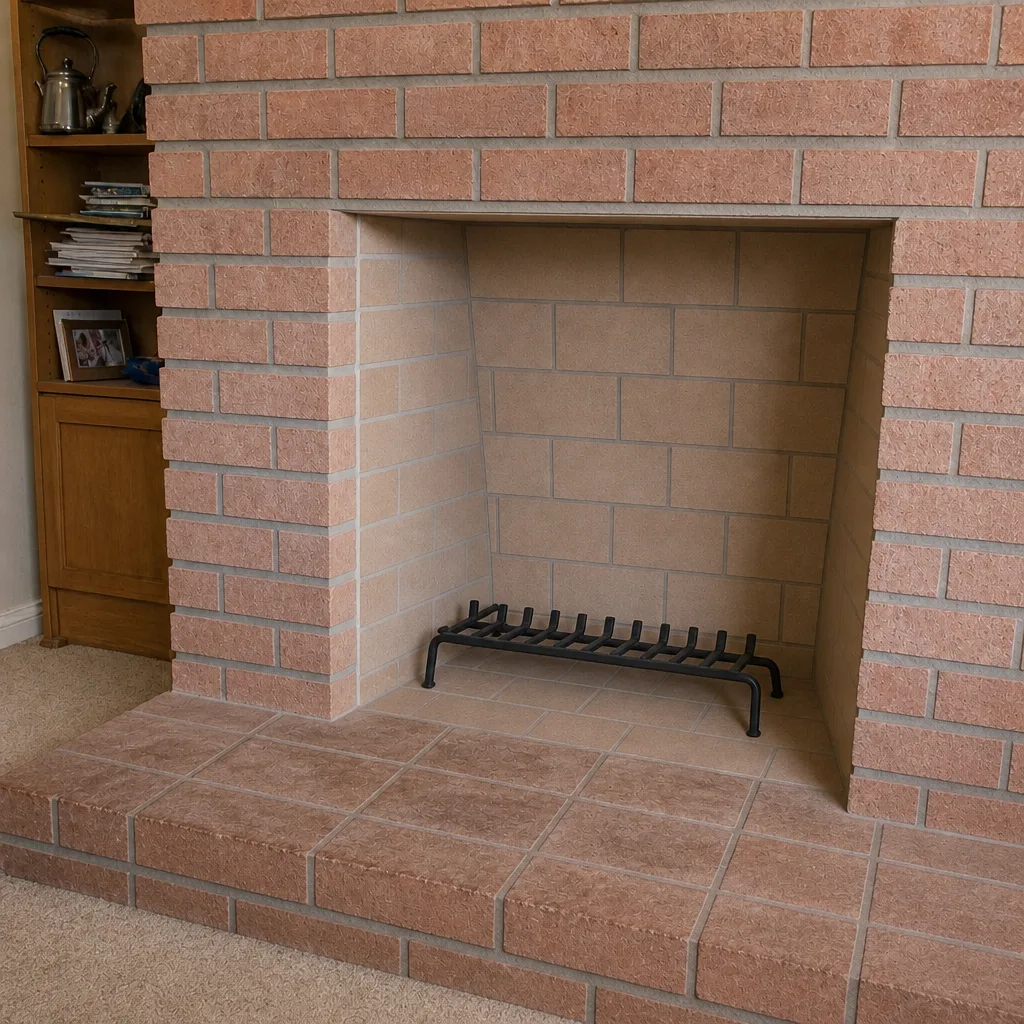
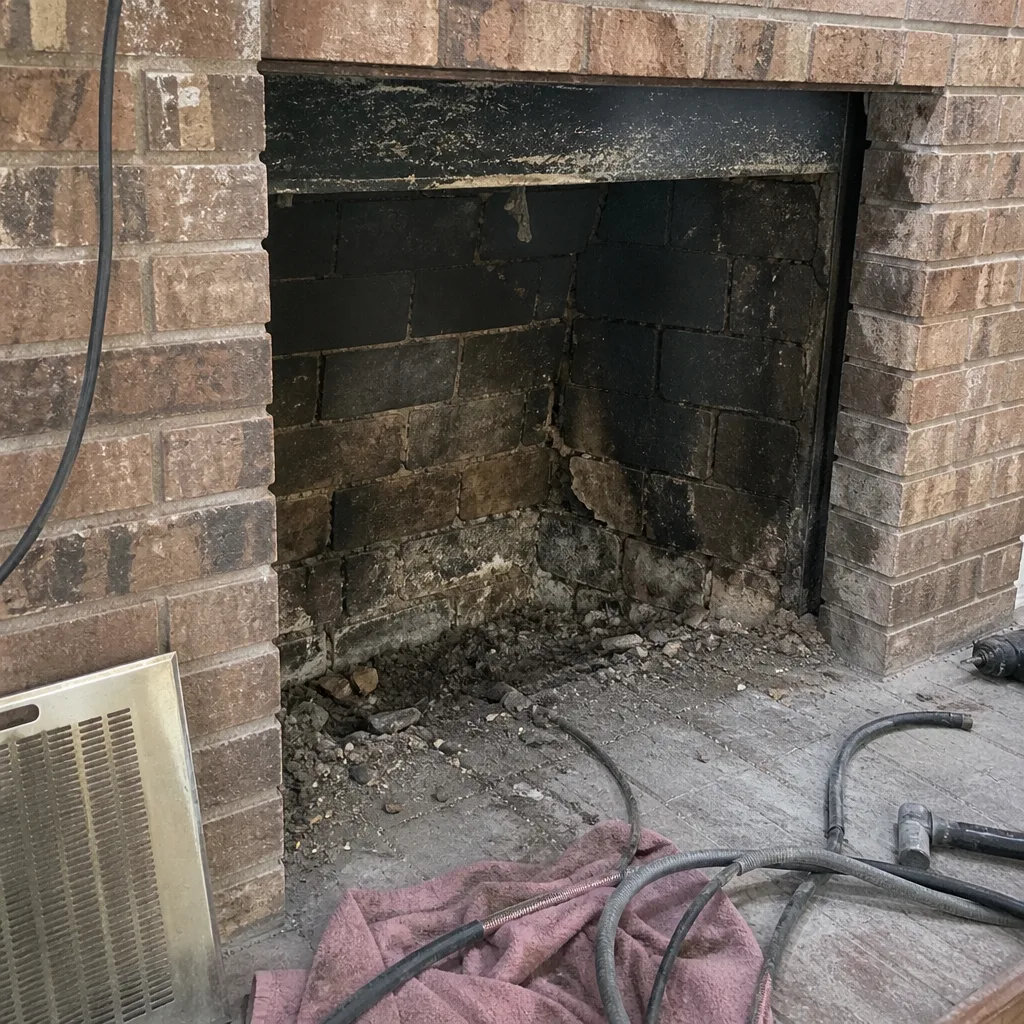
See the difference
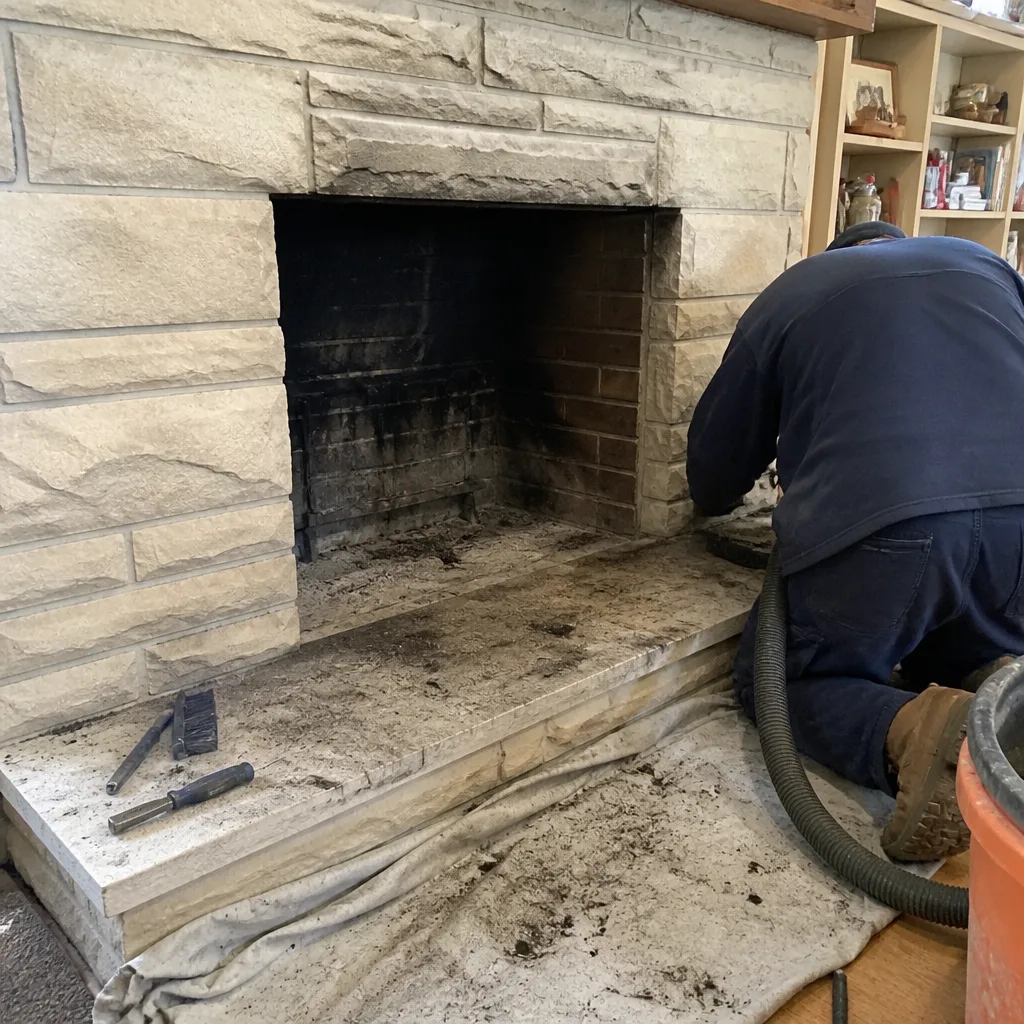 Before
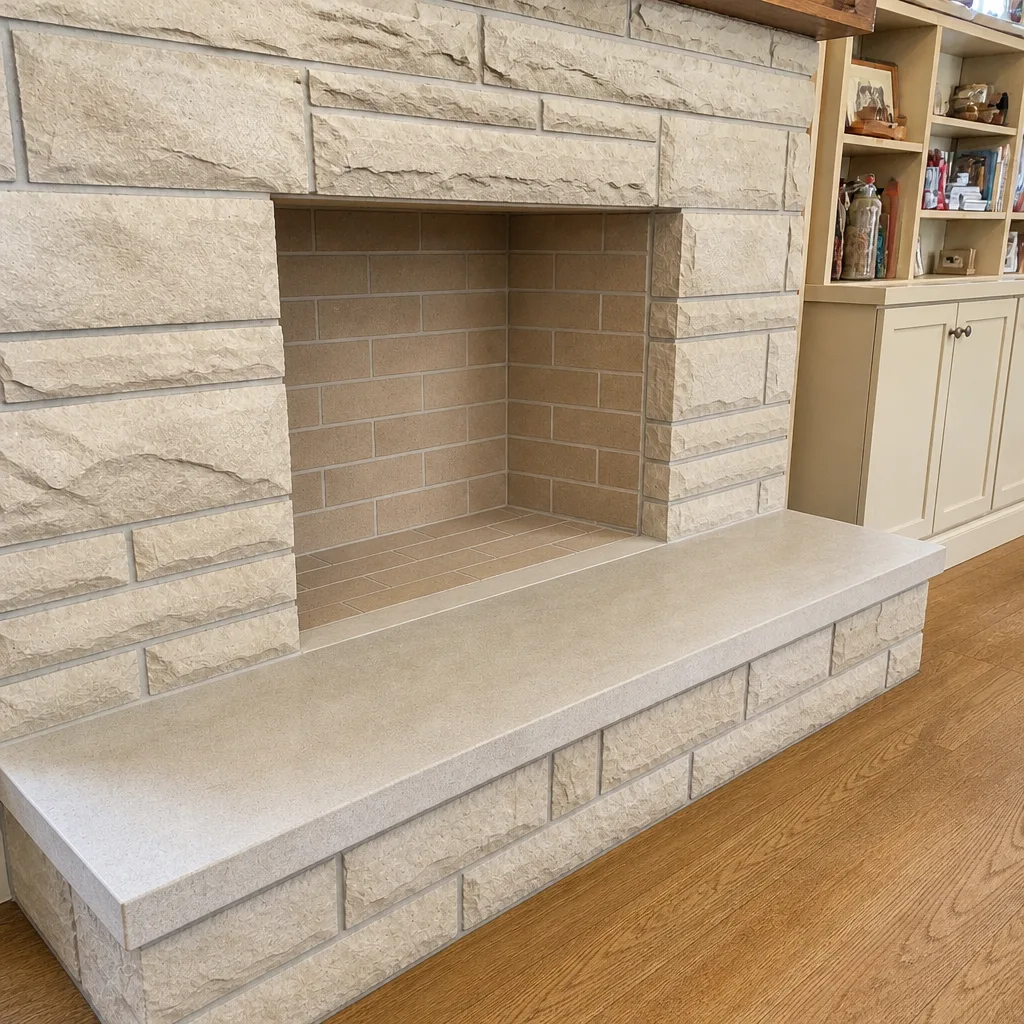 After
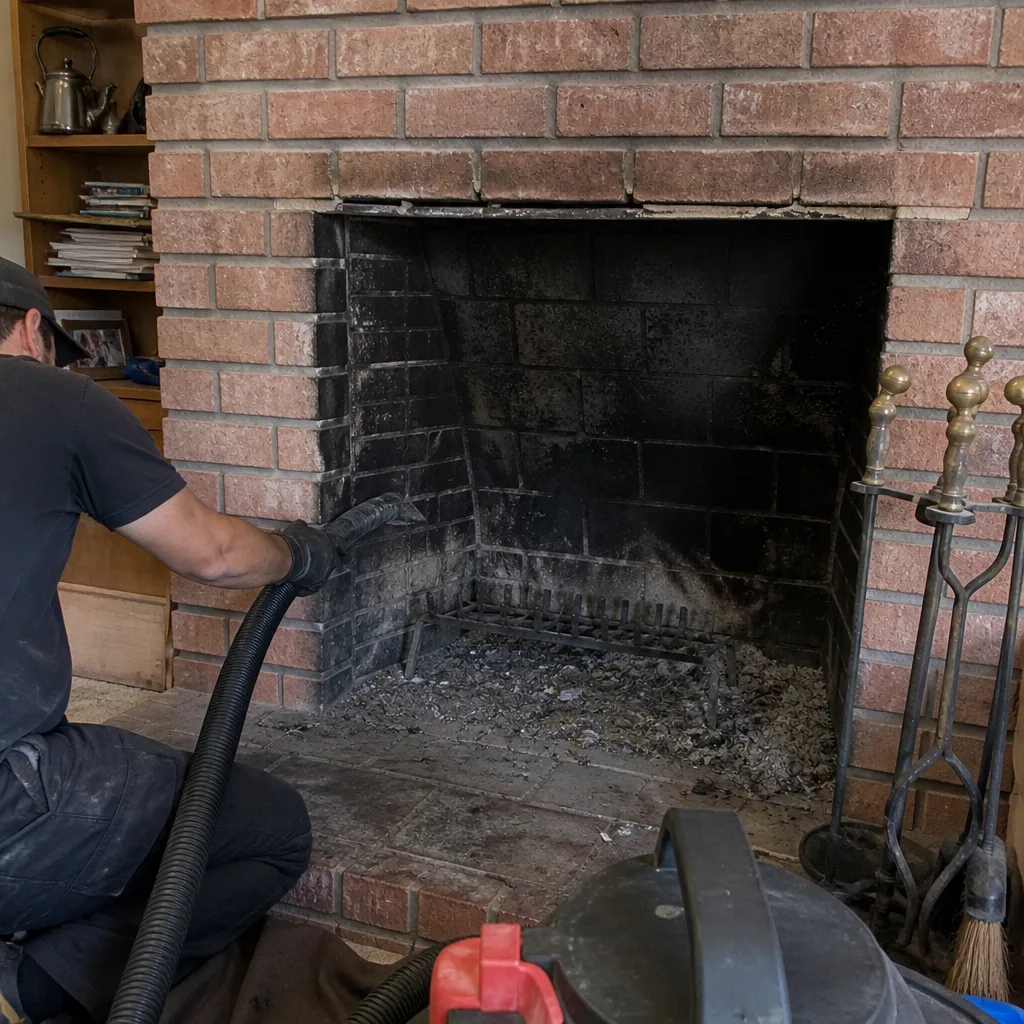 Before
 After
 Before
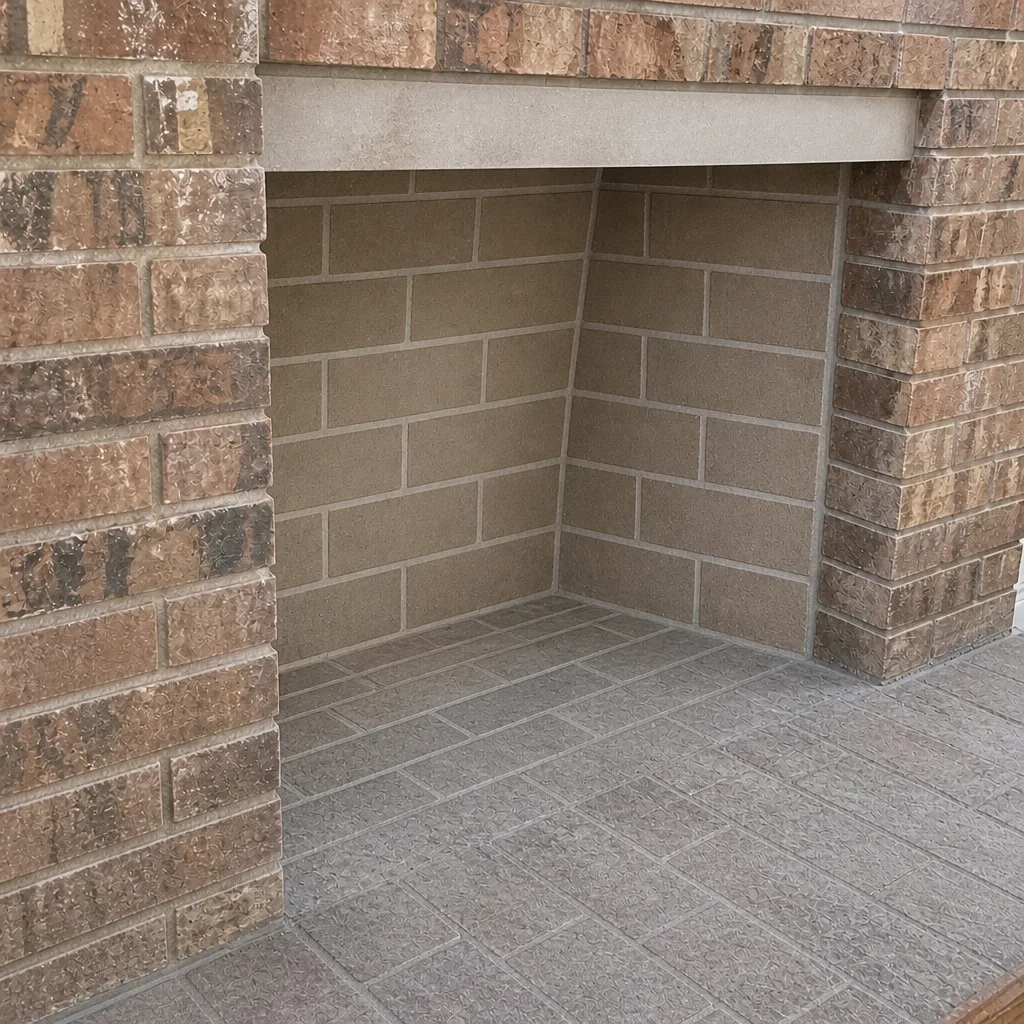 After
Common Mistakes to Avoid
- Hiring on price alone. The lowest quote on an unequal scope isn’t a lower price; it’s a different, smaller job with room to grow. Compare line items, not totals.
- Accepting a verbal assessment. A report you can read, with evidence, is the only version of a recommendation you can act on. Without it, you have no reference point and no recourse.
- Letting the quote substitute for a scope. “Liner replacement: $Y” is a price tag, not a scope. If the company can’t name the materials and the method, the quote is incomplete.
- Skipping the crown and cap. Water intrusion is the most common driver of masonry damage, and the crown and cap are where it starts. In a freeze-thaw climate, a small crack becomes a real repair.
- Assuming a handyman with a brush is a chimney trade. Ask what happens when the sweep turns into a liner or masonry job. If the answer is “we refer it out,” you’re dealing with a generalist.
- Ignoring the flue sizing question. An undersized flue causes venting problems that a simple sweep won’t fix. A focused trade can explain how sizing was determined.
- Waiting until the fireplace is in daily use. The summer is the logical time to find and address a problem, before the heating season arrives.
When to Call a Professional
Some chimney work can wait, but some of it can’t. Call a professional if you’ve never had the chimney inspected and you’ve been burning wood regularly, or if you can’t remember the last sweep. Call if you notice smoke backing into the room when you light a fire, a draft that feels different from previous years, or staining or crumbling on the exterior masonry. Call if the firebox, damper, or masonry shows visible damage, if the cap is missing or loose, or if water is getting in around the crown. Any of these is a reason to get a proper inspection and a written report rather than a guess. Chimney Sweep Midvale offers free estimates in Midvale, and the technicians you’ll meet have up to 10 years of experience. Call (855) 523-1499. We answer 24/7. Fast dispatch from 7am to 7pm, Sunday through Friday.
Frequently Asked Questions
A chimney sweep in Midvale is priced per job, and the final cost depends on the system involved, including how much creosote is present and whether an inspection is included. The written estimate you receive before the appointment sets the final price, and the estimate itself is free. The important comparison is scope, not the headline number: a quote that includes the sweep, an inspection, and a written report is a different product from a bare sweep. Call (855) 523-1499 for a quote on your specific chimney.
Not always, and that’s precisely why the inspection report matters. A damaged or deteriorated liner sometimes can be resurfaced with a HeatShield system rather than fully replaced, which is a repair many general contractors can’t offer. Where the liner is genuinely failing, a DuraFlex flexible liner is the durable, code-compatible solution. Nothing should be recommended without camera evidence you can see for yourself, and a contractor who can’t provide that evidence hasn’t earned the recommendation. Call (855) 523-1499 and ask for the inspection first.
A wood-burning chimney should be inspected regularly and swept when the inspection shows enough creosote buildup to warrant it, which typically means an annual inspection as the baseline. Gas appliances have different maintenance needs, but they still need periodic inspection because the venting system can fail in ways that aren’t visible. The frequency depends on how much you burn and how cleanly. Ask for the inspection to be part of every sweep, so the decision is based on what’s actually there.
Skipping maintenance lets a small problem develop into a larger one, and the visible damage often appears in the masonry long after the cause was established. Creosote accumulation is the most significant risk in a wood-burning system, and a failing crown or missing cap lets water into the structure, where freezing and thawing in the valley winters turns a crack into a structural repair. None of this requires an emergency to address; it requires a scheduled inspection so you know the condition of the system. Call (855) 523-1499 to book one.
No. Utah doesn’t impose a state licensing requirement specific to chimney sweeping, which is why certification and documentation carry so much of the vetting weight. The local pro should be licensed and insured as the state requires for the business they operate, and you should ask for that confirmation. Beyond insurance, rely on CSIA certification for the technician, a written inspection report, and specific materials named in the quote. Those four things are the credential set that actually tells you what you’re getting.
A sweep cleans the flue, firebox, and smoke chamber; an inspection assesses the system’s condition and produces a written report. They’re usually done together, but they’re not the same service, and a company that conflates them is likely skipping the assessment. Ask for the chimney repair scope in writing if any issue is found, and confirm the report is a standalone document. Call (855) 523-1499 if you want the inspection done right the first time.
The Bottom Line
Hiring a chimney contractor in Midvale comes down to four things: certification, written scope, specified materials, and a trade identity. Utah won’t hand you a license record, so the contractor has to show you the rest. Demand line items rather than lump sums, insist on a written inspection report with evidence before any repair is authorized, ask which products go into the job, and check whether the company handles the full system in-house. A contractor who explains what they find and why it matters will pass all four. One who can’t put it in writing has answered your question. When you’re ready, the fireplace repair and repair work that follows an inspection should come from the same accountable company.
Chimney Sweep Midvale is a dedicated chimney specialist covering the sweep, inspection, fireplace repair, chimney repair, and cap and crown work that a full system needs. We work with professional-grade brands including DuraFlex, HeatShield, Famco, and Copperfield, and we explain what we find and why it matters before recommending anything. The estimate is free, and the written estimate sets the final price. Call (855) 523-1499. We answer 24/7. Fast dispatch from 7am to 7pm, Sunday through Friday.
Written by the team at Chimney Sweep Midvale.