
Last updated November 24, 2026
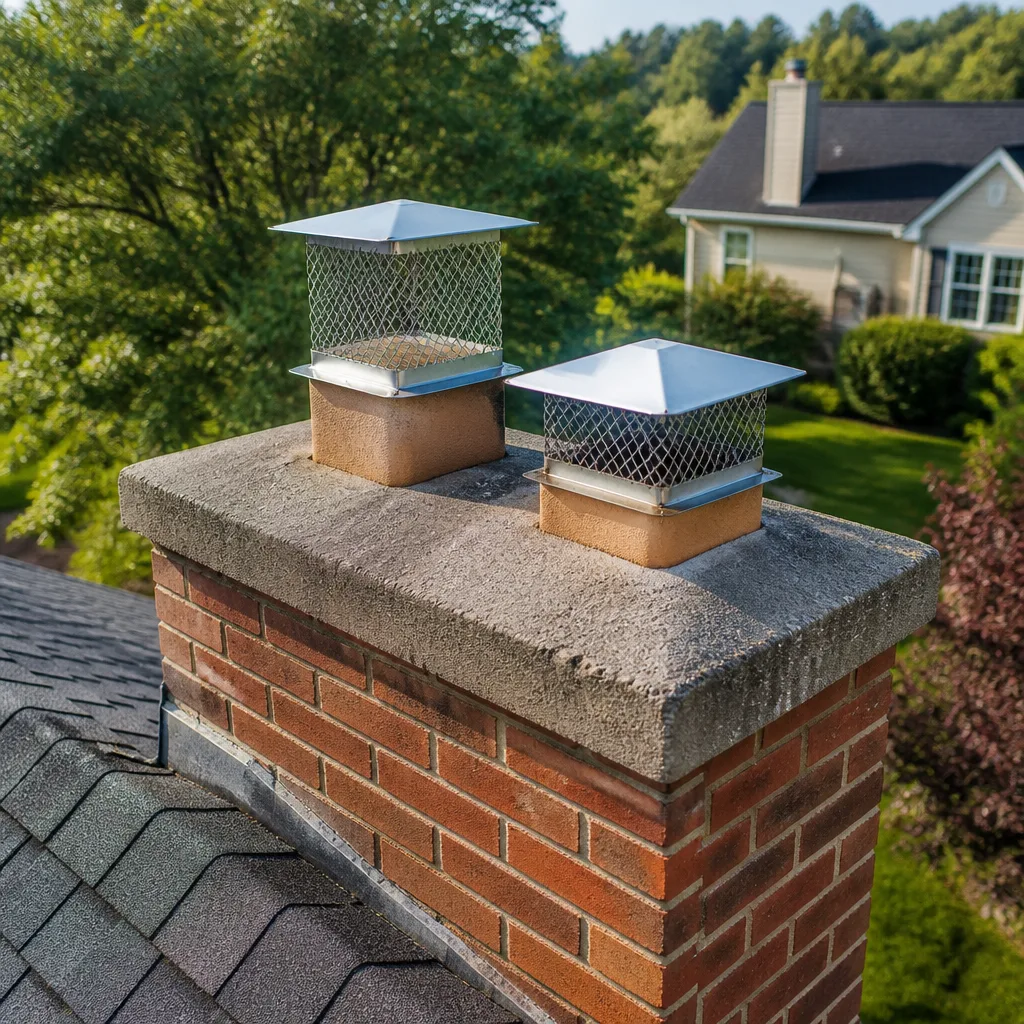 Sweep & inspection
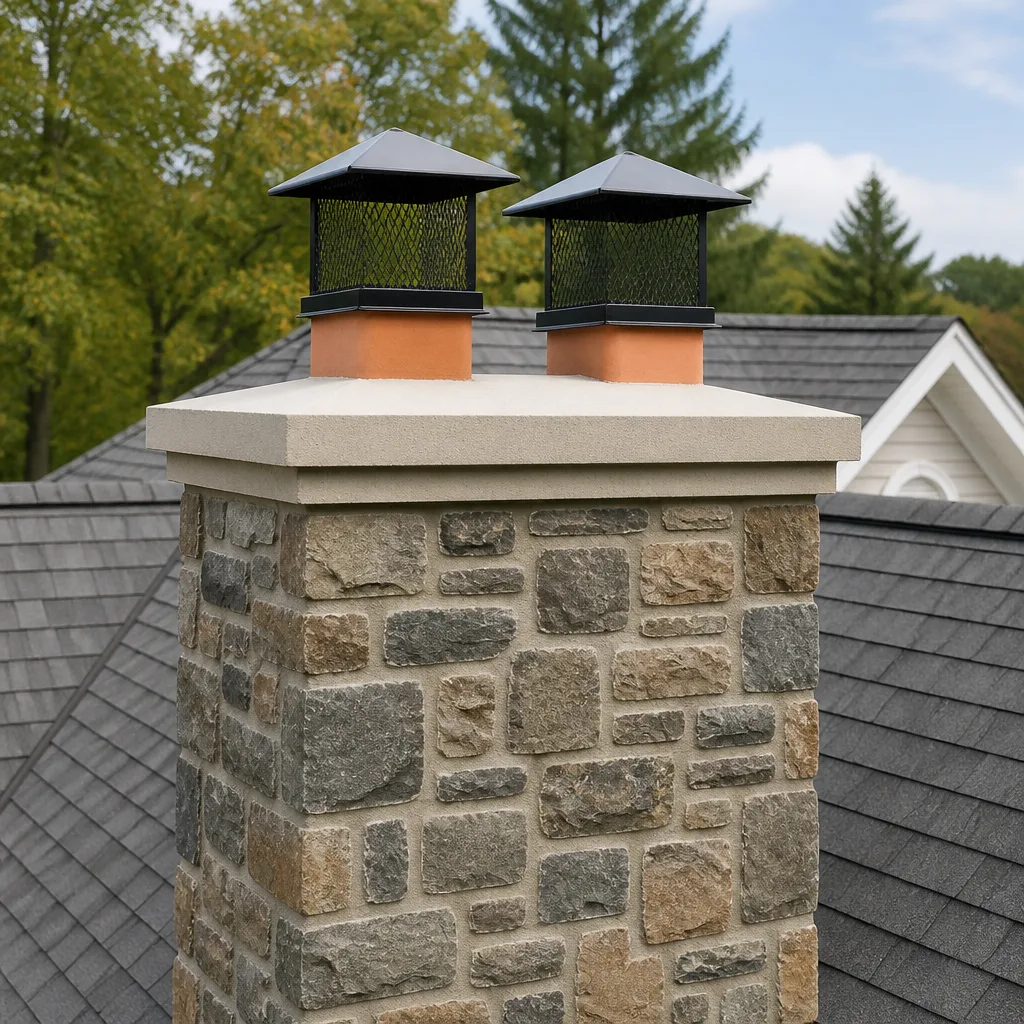 Caps & crowns
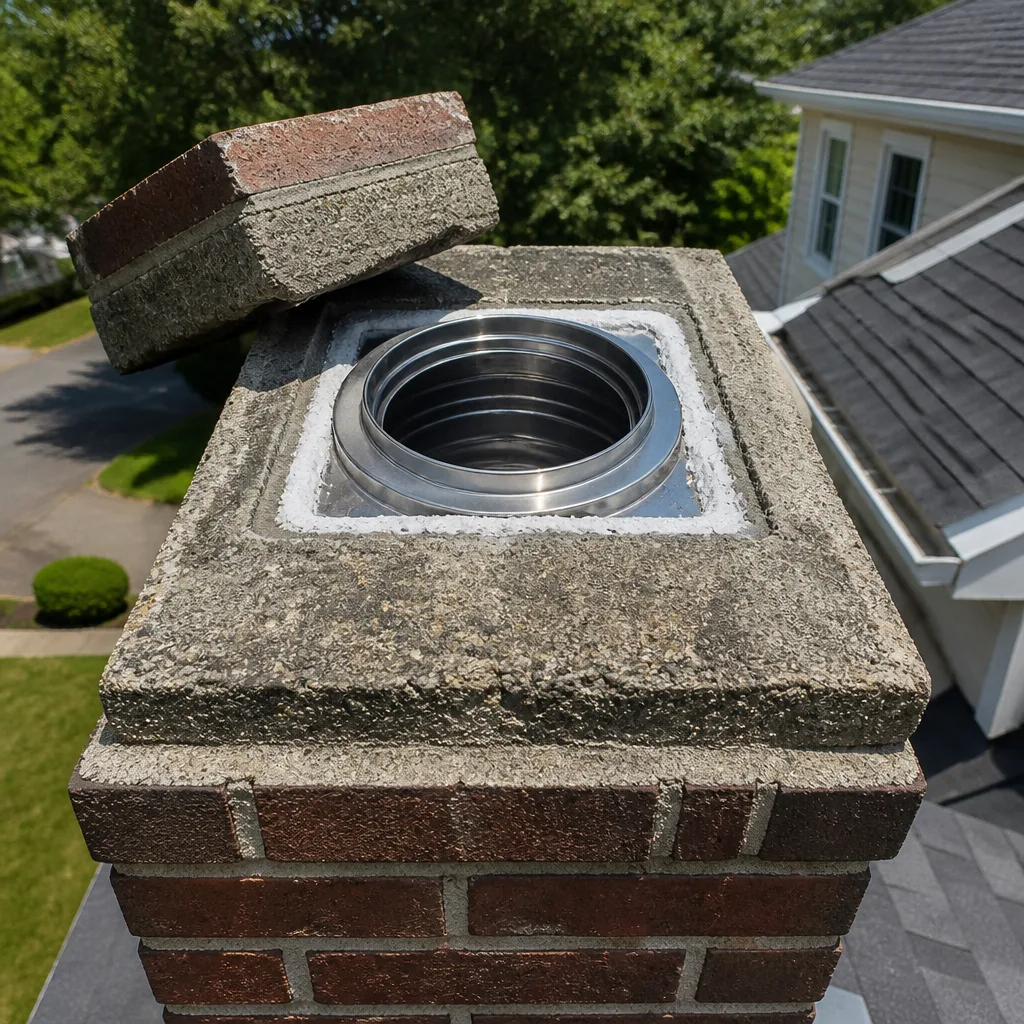 Flue relining
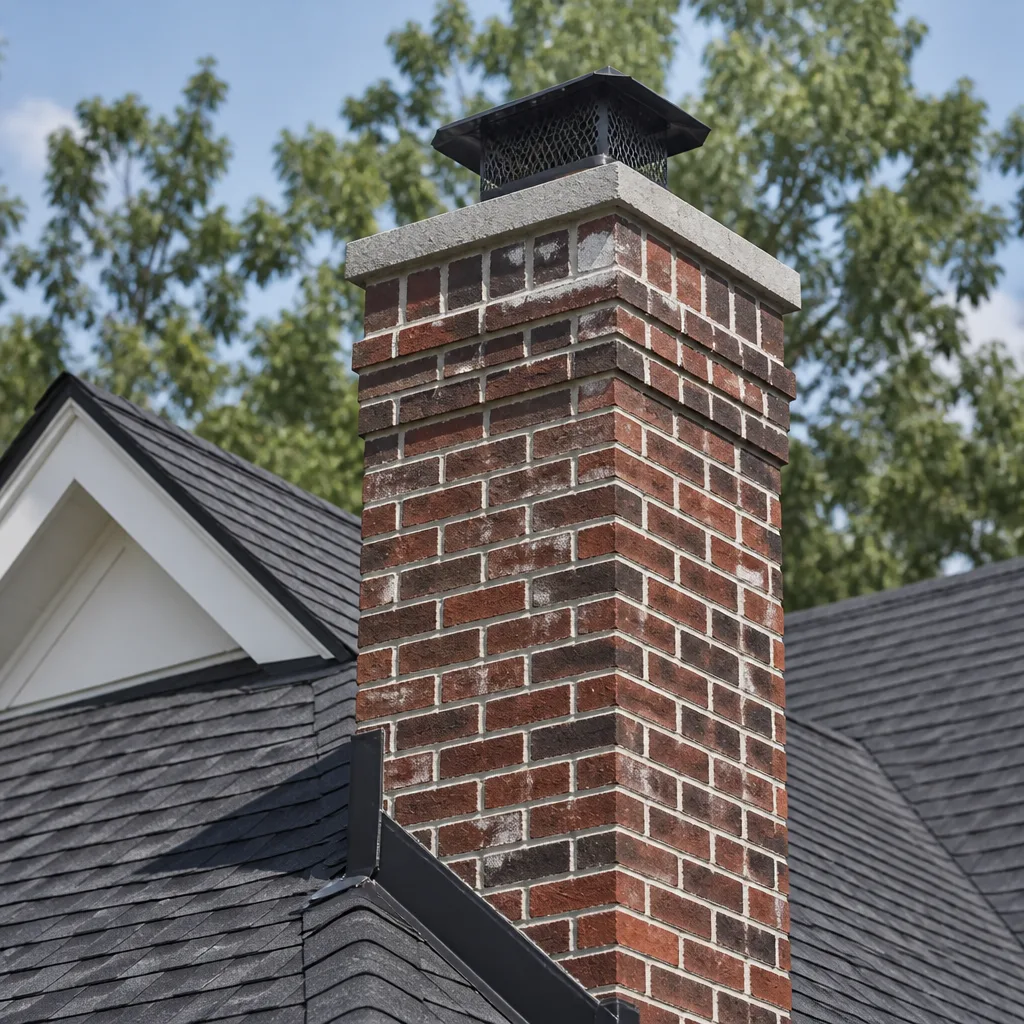 Masonry repair
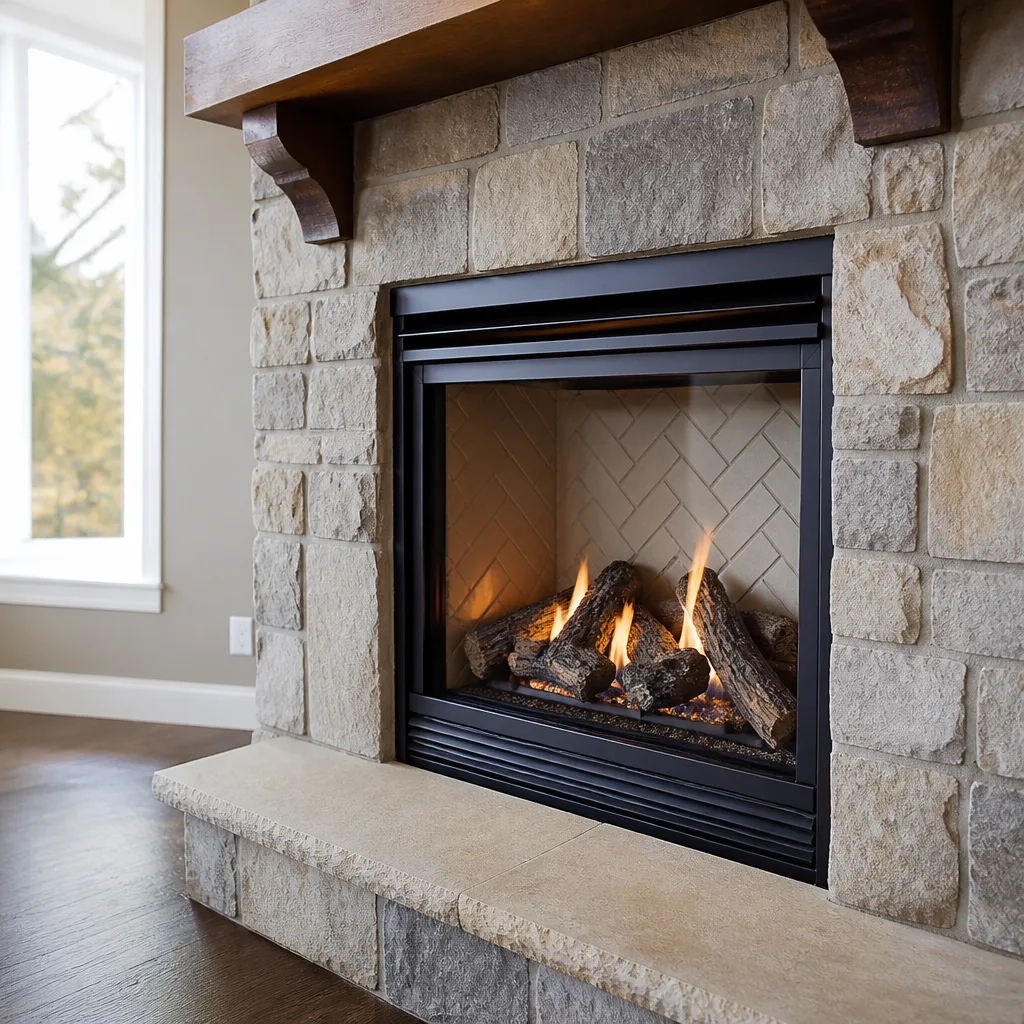 Gas fireplace service
Level 1 sweep and inspection to the NFPA 211 annual standard - flue, crown, cap, and flashing checked and photographed
Chimney sweep logs do not sweep chimneys. They loosen some creosote - which then falls where a brush and vacuum still have to collect it.
Chimney Cleaning Cost Breakdown: The Midvale Homeowner’s Reference for 2026
A $79 chimney sweep quote and a $299 quote can represent the exact same amount of actual work, or a gap of two hours, a camera inspection, and contractor-grade materials. The price tells you nothing without the scope behind it. That’s the trap most Midvale homeowners walk into: they compare the number at the bottom of the estimate and assume the lowest one means they’re getting a deal. Sometimes they are. Often they’re buying half a job and don’t find out until a liner crack turns into a chimney repair bill. This reference breaks down every line item in a chimney cleaning quote so you can compare bids on equal terms and see exactly what you’re paying for.
Quick Answer
A standard chimney sweep in Midvale typically runs $150 to $250 for a straightforward flue, and climb if the creosote is heavy, the flue is oversized, or the job needs a Level 2 camera inspection. Most quotes you’ll see fall between $125 and $350 depending on scope. The written estimate is what sets the final price, never the advertised starting number.
Styles & brands we work with
- Sweep & inspection
- Caps & crowns
- Flue relining
- Masonry repair
- Gas fireplace service
Table of Contents
- What a Baseline Sweep Actually Covers
- Cost Drivers Specific to Utah Chimneys
- Creosote Stages and How They Change the Price
- Line-Item Pricing for Add-On Services
- How to Spot a Low-Ball Quote
- When the Cheapest Option Costs More Over Time
- How a Professional Sweep Actually Goes
- Common Mistakes to Avoid
- Frequently Asked Questions
What a Baseline Sweep Actually Covers
A baseline chimney sweep is not just a brush in a hole. In the Midvale market, a properly priced sweep bundles several distinct pieces of labor, equipment, and disposal that each carry real cost. Understanding what’s inside that number is the first step to reading a quote honestly.
Here’s what a competent sweep includes:
- Setup and protection. Drop cloths, a canvas runner, and a shop vacuum with a HEPA filter staged at the firebox. This is the difference between a clean living room and a fine gray dusting on everything you own.
- Mechanical cleaning of the flue. Brushes sized to the flue, on rods, worked from the top or bottom depending on the chimney and roof access.
- Firebox and smoke shelf cleaning. The smoke shelf above the damper is where a lot of built-up soot hides, and it doesn’t clear itself.
- Damper check. Does the damper open fully and close cleanly? A damper stuck partway is a drafting problem that shows up as smoke in the room.
- Debris removal and disposal. Ash, soot, and creosote have to go somewhere, and hauling it off is part of the job.
- Visual check of accessible components. Cap, crown, flashing, and the visible exterior of the chimney, noted in the report.
What’s typically excluded from a baseline sweep is the part that matters most when comparing quotes:
- Camera inspection of the flue interior (this is a Level 2 inspection and usually priced separately)
- Liner assessment beyond what a mirror can show
- Cap replacement or crown repair
- Waterproofing
- Firebox or damper repair
When a Midvale quote advertises a sweep at a number that seems too low to cover an hour of labor plus equipment plus disposal, the missing piece is almost always the inspection. That’s not a scam, necessarily; it’s a scope decision. But you should know which one you’re getting. Our own chimney sweep visits always include a documented look at the flue, because a sweep without a look is just cleaning the outside of a problem you can’t see.
Cost Drivers Specific to Utah Chimneys
Chimney cleaning in Midvale isn’t priced the same as chimney cleaning in a milder, wetter climate, and it’s not the same as a dry desert climate either. The Wasatch Front sits in a specific band: cold winters with real snow loads, a long heating season, and housing stock that ranges from mid-century ranches to newer builds with prefabricated fireplaces. Each of those things changes what a sweep costs.
Liner condition in older homes. Midvale has a lot of homes built in the 1950s through the 1980s, and many of those chimneys were originally built for wood or early gas appliances with materials that are now worn or out of step with current venting needs. A clay tile liner with cracked joints shows up clearly on camera and will change the recommendation from “sweep and move on” to “sweep and plan a liner repair.” That assessment step is where the real cost variance lives.
Longer heating season. A Utah winter means more fires per season and more creosote accumulation per year than a homeowner in a mild climate would see. That’s not a marketing line; it’s just arithmetic. A chimney that gets swept once a year in Midvale may genuinely need it more often if the household burns hard from November through March.
Flue size and access. An oversized flue takes longer to clean and holds more debris. A chimney with a steep roof pitch or limited access from the ground requires more setup time and safety rigging. Both are legitimate line items.
Prefabricated versus masonry. A factory-built fireplace with a metal flue is a faster sweep than a masonry chimney with offsets and a smoke chamber that needs hand work. Most newer Midvale subdivisions have prefab units; older neighborhoods are masonry. The two quote differently because the work is different.
Altitude and draft. Midvale sits at elevation, and draft characteristics shift with it. A chimney that drafts poorly pulls more creosote onto the flue walls because the fire smolders instead of burning hot. That’s not something you fix with a sweep, but it’s something a technician should notice and tell you about, because it affects how often you’ll need one.
Creosote Stages and How They Change the Price
Creosote is the residue left behind when wood smoke cools on the flue walls. It comes in three recognizable stages, and the stage determines the cleaning method, the time on site, and therefore the price. This is one of the most useful things a homeowner can understand before requesting a quote, because it explains why two sweep quotes for “the same chimney” can differ by $100 or more.
- Stage 1: Sooty, flaky, easy to brush. This is the light dusting and thin crust that a standard rotary brush removes quickly. A sweep on a Stage 1 flue is the fastest, lowest-cost job. It’s also the stage you want to stay in, which is why annual cleaning matters.
- Stage 2: Hard, crusty, glazed patches. The creosote has baked on and doesn’t brush off easily. It requires more aggressive mechanical action, more time, and sometimes a chemical pre-treatment to soften the deposit before brushing. A Stage 2 flue can add meaningful time to a job.
- Stage 3: Glazed, tar-like, and dense. This is the dangerous stage. It’s essentially a hardened fuel deposit coating the flue wall, it’s difficult to remove without specialized tools and techniques, and it’s the stage most associated with chimney fires because it ignites readily at high temperature. A Stage 3 flue is a bigger job, and in some cases the honest recommendation is not “sweep it” but “here’s what condition the flue is in and here’s what it will take to make it safe.”
The stage isn’t something you can assess by looking up the chimney with a flashlight. That’s the reason inspection is bundled or billed alongside the sweep: a technician with a camera and a proper light can tell you exactly what stage you’re in, and whether the recommendation is a cleaning or something more. If a quote is priced as though every flue is Stage 1, the technician has either not looked or is not planning to.
In our experience, a Midvale home that burns regularly and hasn’t been swept in two or more seasons is very often at Stage 2, and occasionally Stage 3. That’s not a scare tactic, it’s just what a long heating season does to a flue that hasn’t been maintained. Better to know before winter than to find out from a chimney fire.
Line-Item Pricing for Add-On Services
The add-on line items are where the real comparison happens. Two quotes can have the same base sweep price and still differ by hundreds of dollars once you add inspection, cap, crown work, and waterproofing. Here’s how those items typically price out in the Midvale market for 2026. All numbers are estimated ranges; the written estimate sets the final price.
- Level 1 inspection (visual, accessible components only): Usually included in a sweep, sometimes billed as a standalone $50 to $100.
- Level 2 inspection (camera, flue interior, photo report): $150 to $300 as an add-on, and often included in a full-service sweep.
- Chimney cap replacement (standard stainless or galvanized): $150 to $400 depending on size, material, and whether the existing cap needs to be cut free.
- Custom cap or multi-flue cap: $300 to $700.
- Crown coat / crown repair (sealing cracks, recoating): $250 to $600, depending on crown size and condition.
- Crown rebuild (full replacement of a failed crown): $600 to $1,500.
- Waterproofing (masonry sealer, whole chimney): $200 to $500.
- HeatShield liner resurfacing: $1,200 to $2,800 depending on flue length and condition, and this is the professional repair option that most general sweep companies cannot offer.
- DuraFlex flexible liner installation: $2,000 to $4,500, varying with diameter, length, and whether insulation or a cap kit is included.
- Firebox or damper repair: $300 to $1,000 depending on scope.
The brands on the materials side matter more than homeowners usually realize. A contractor-grade stainless liner from a maker like DuraFlex or a HeatShield resurfacing system is a different material class from the consumer-grade products used in low-ball quotes, and the price difference reflects that. We work with a small set of professional-grade brands (Copperfield, DuraFlex, and HeatShield among them) because they’re the materials specified by chimney professionals and because the durability is the point. A cheap liner installed to pass an inspection is a problem deferred, not solved.
Our chimney repair work always starts with an assessment; nothing is recommended until we have camera photos the homeowner can see for themselves. If a job can safely wait a season, we say so.
How to Spot a Low-Ball Quote
A low quote isn’t automatically a bad quote, but there are specific tells that separate a lean, honest sweep from one that’s leaving things out. Here’s what to look for before you book:
- No camera inspection. If the quote doesn’t mention a camera or a photo report, ask directly. A sweep without a look at the flue interior is not a service that can tell you whether your chimney is safe.
- No explanation of what the price includes. A quote that’s just a number with no scope line is a quote you can’t compare to anything.
- Generic materials. Look for a named, contractor-grade liner brand if the job includes a liner. If the quote doesn’t specify, ask what brand and what grade. “Standard liner” is not an answer.
- No disposal or debris haul-away line. This is real labor and real cost. If it’s missing, either it’s not being done or it’s hidden in the base price; either way, you should know which.
- Pricing that ignores creosote stage. A quote that offers one flat price for any chimney hasn’t assessed your chimney.
- No Level 2 inspection offered as an option. Even if you don’t need one this year, the company should be able to do one, and should explain when it’s warranted.
- Fast verbal quotes without looking. Anyone who quotes a liner or a crown repair over the phone without an inspection is either guessing or selling you a job you may not need.
None of these are about the number itself. A $199 sweep with a camera inspection and a photo report is a better comparison point than a $99 sweep with neither, not because the $99 is dishonest, but because the scopes aren’t equal and you can’t decide between them without knowing that. Our advice: ask every bidder for the same four things; base sweep price, whether a camera inspection is included, what brand of liner is used if a liner is in scope, and whether debris disposal is included. Compare those four answers, then compare the numbers.
When the Cheapest Option Costs More Over Time
An incomplete cleaning or a missed liner crack doesn’t fail quietly. It fails expensively, and the bill arrives in the form of costly repairs that a few hundred dollars up front would have caught early. This is the part of the cost conversation that low-ball quotes tend to leave out.
Here’s the pattern: a sweep done without inspection leaves a cracked clay tile or a gap in the flue unaddressed. The homeowner doesn’t know it’s there. The next heating season, a hot fire near that crack can allow heat through to framing or masonry, which is the pathway to a chimney fire that starts inside the chimney wall where nobody can see it. Even without fire, a crack in the liner admits moisture and combustion byproducts where they shouldn’t go; carbon monoxide is the reason every flue needs to be mechanically sound and sealed.
On the moisture side, a chimney cap with a broken or missing element and a cracked crown are the two most common sources of water intrusion into a chimney system. Water gets into masonry, freezes during a Midvale winter, expands, and spalls the brick. A cap replacement or crown coat costs a fraction of a masonry rebuild, and it prevents the rebuild in the first place. That’s not a scare-sell; it’s just the sequence of how water and masonry interact.
The same logic applies to liner materials. A consumer-grade liner installed to satisfy a quote is likely to fail sooner than a contractor-grade system, and when it does, the homeowner is paying twice: once for the cheap liner, once for the real one. DuraFlex liner systems and HeatShield resurfacing exist for exactly this reason: to solve the flue problem once, at the correct grade, so it doesn’t come back. A HeatShield application, for example, can repair a liner that’s damaged but structurally sound without demolishing the chimney, which is a real cost savings over full replacement, and it’s a capability most standalone sweep companies simply don’t have.
The cheapest chimney cleaning is the one that leaves your chimney in condition to be cleaned again next year without a repair in between. Anything less is a deferred cost.
How a Professional Sweep Actually Goes
For a homeowner who has never seen a proper sweep, here’s what a full-service visit looks like from the door. No step here is optional if the job is done right.
- Arrival and walk-through. We ask what you burn, how often, and whether you’ve noticed any smoke backup, odor, or draft problems. The answers shape where to look.
- Protective setup. Drop cloths, a runner, and a HEPA vacuum staged at the firebox before any brush goes up.
- Initial visual inspection. Firebox, damper, smoke shelf, and the accessible exterior of the chimney, looking for obvious issues before cleaning.
- Sweep the flue. Brush sized to the flue, worked with the appropriate method for the creosote stage we observe.
- Camera inspection. A camera run through the flue, checking for cracks, gaps, and settled debris. Photos are taken for the report.
- Cap and crown check from the roof. The crown, flashing, and cap are examined for cracking, rust, or missing components.
- Explain what we found. This is the most important step. We walk through the photos and say plainly what’s in good shape, what needs attention now, and what can safely wait. Nothing gets recommended without a photo the homeowner can see.
- Clean up and remove debris. Haul-away is included; the room is left clean.
When the assessment points to something beyond a sweep (a liner repair, a cap replacement, a damaged crown), we can handle the fireplace repair or chimney repair as a follow-on job rather than sending the homeowner out to find a second contractor. That’s the value of a full-system approach: the person who inspected your flue is the person who fixes it, and the materials (Copperfield caps, DuraFlex liners, HeatShield resurfacing) are contractor-grade rather than whatever’s in the local hardware aisle.
Safety note: the flue, liner, and any work near the top of the chimney are the parts where a homeowner should not attempt a DIY fix. The heights, the possibility of a hidden crack, and the combustion safety stakes make this a job for a trained professional with the right equipment. A “how it works” understanding is genuinely useful; a “how to do it yourself” attempt on a flue is not worth the risk.
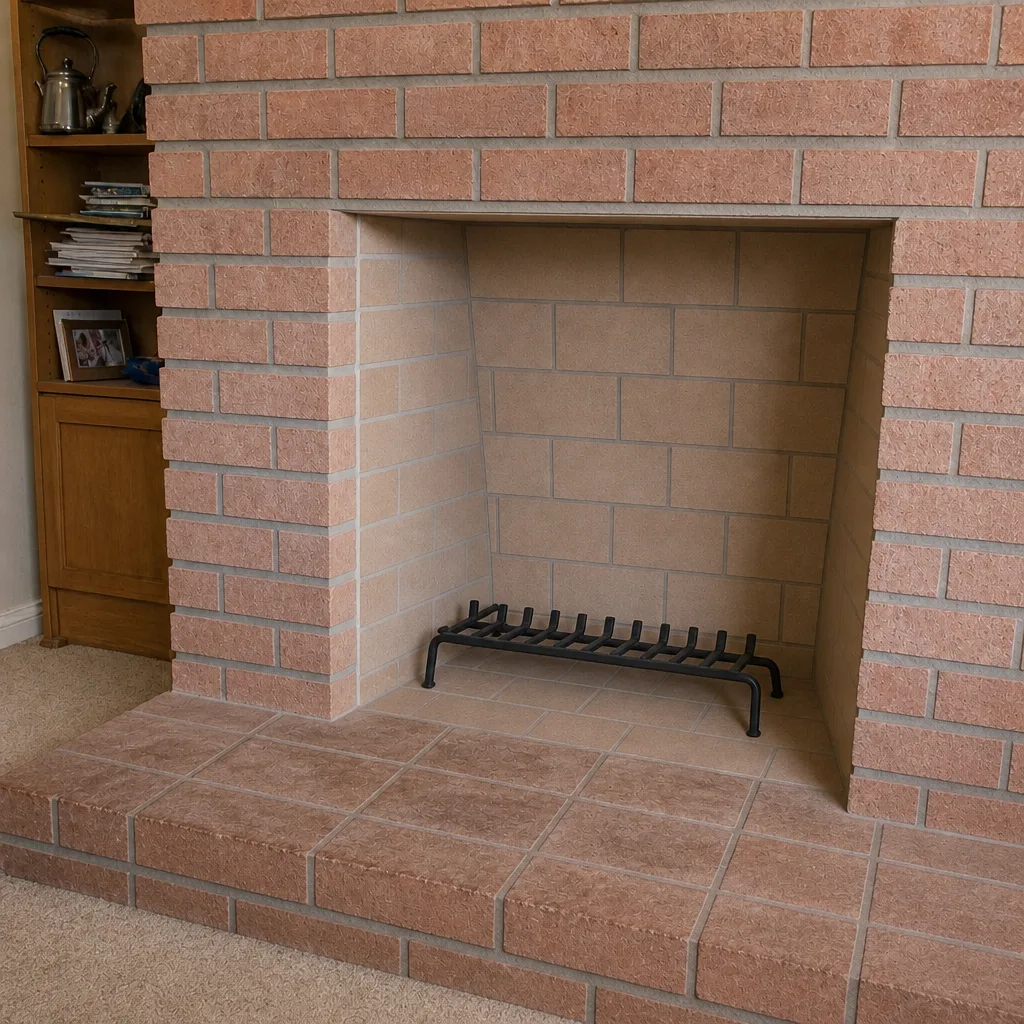
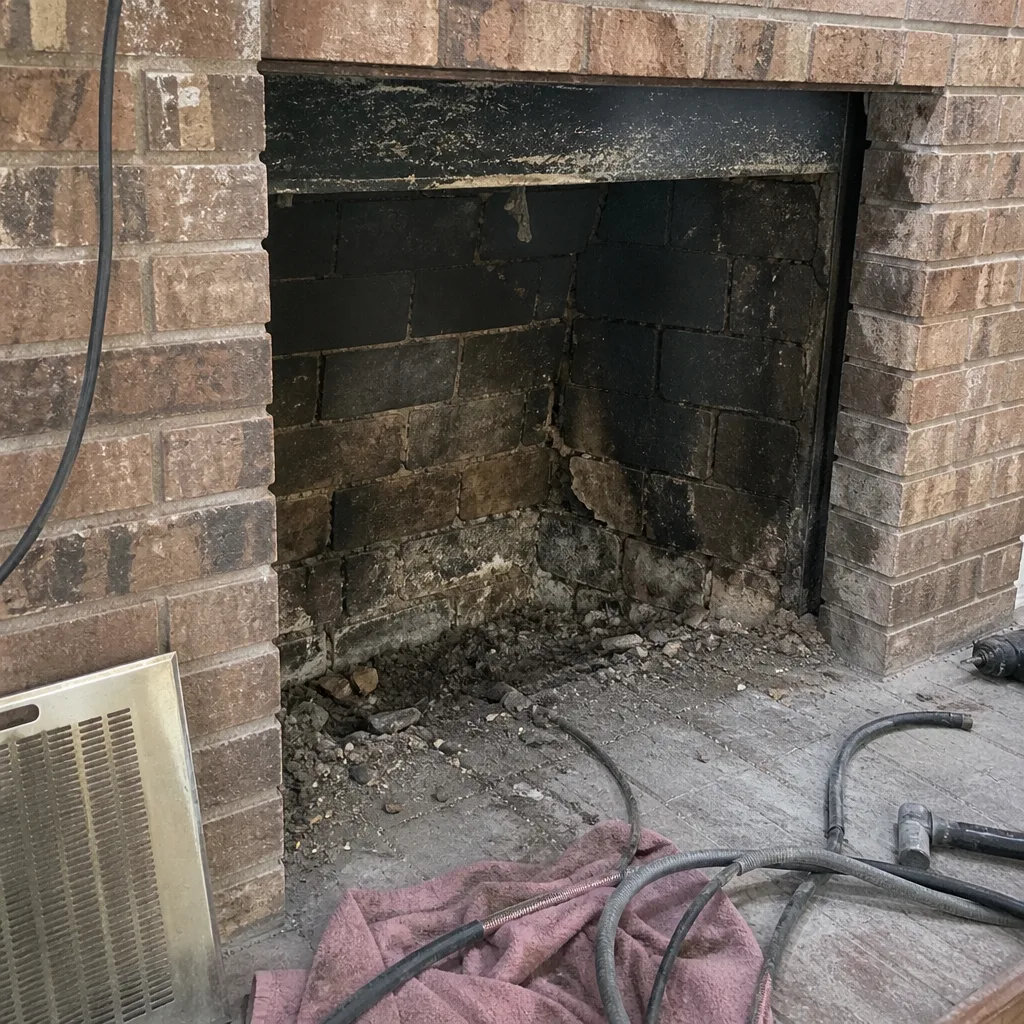
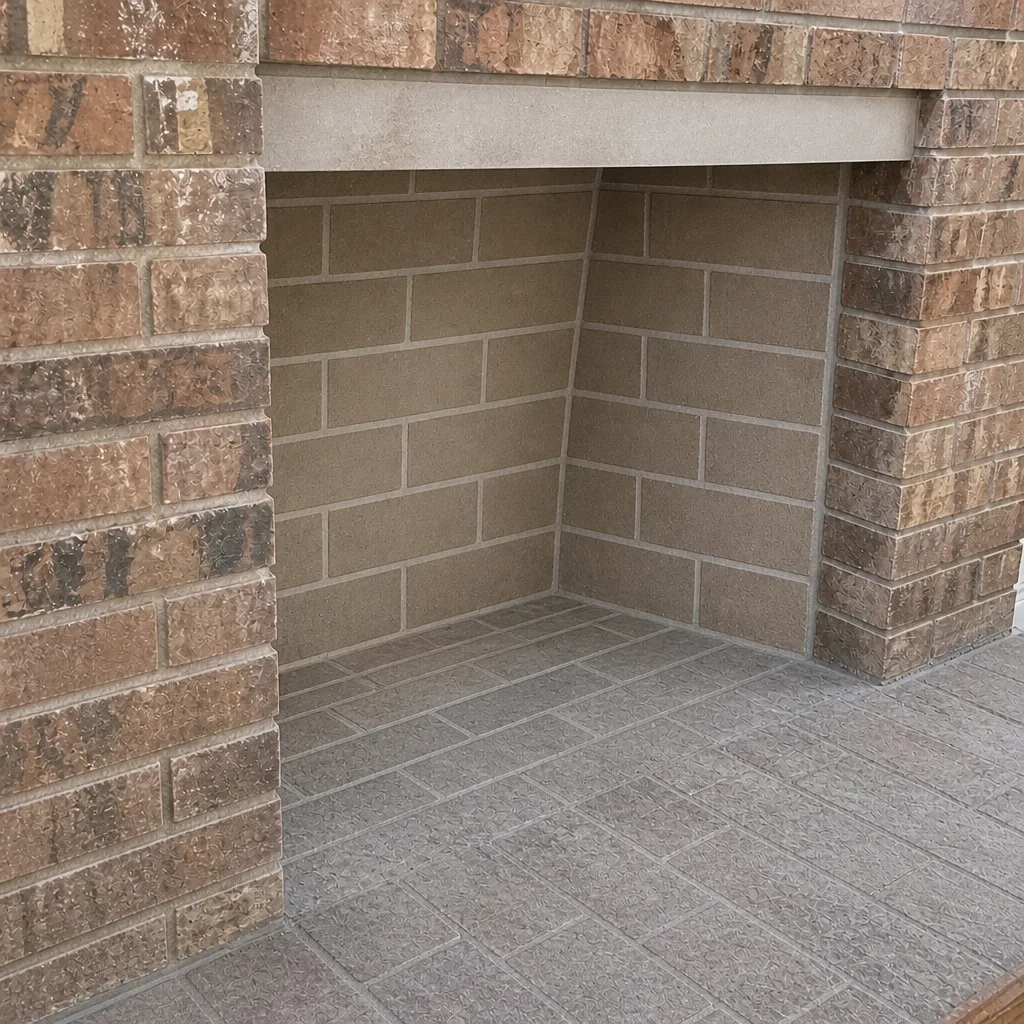
See the difference
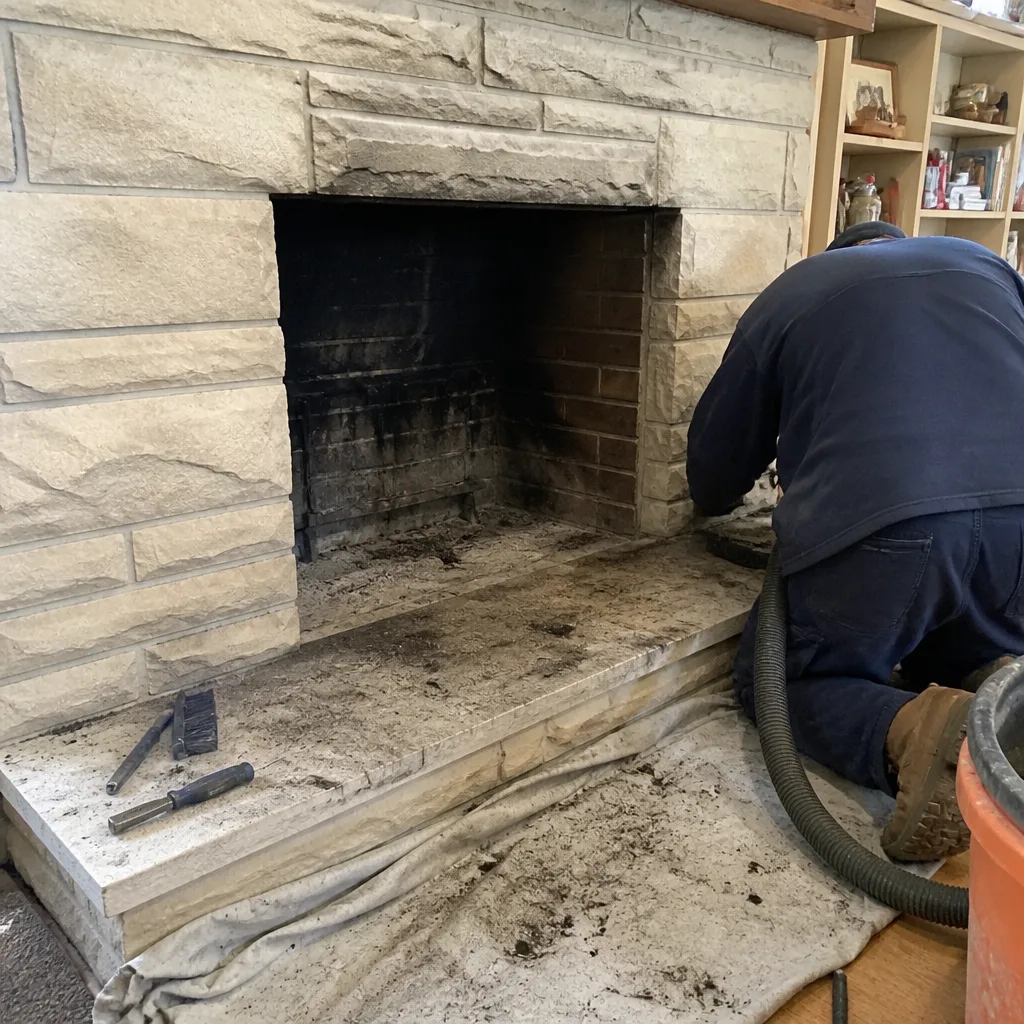 Before
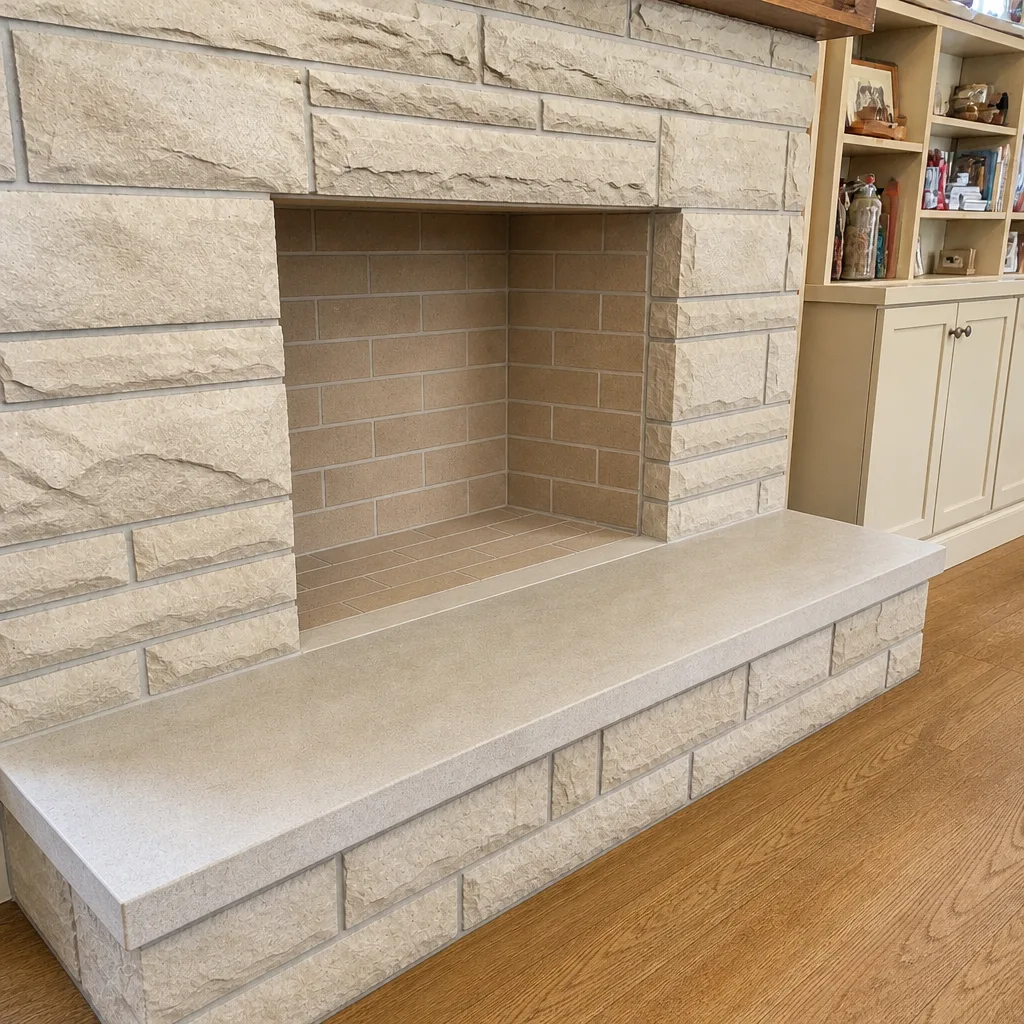 After
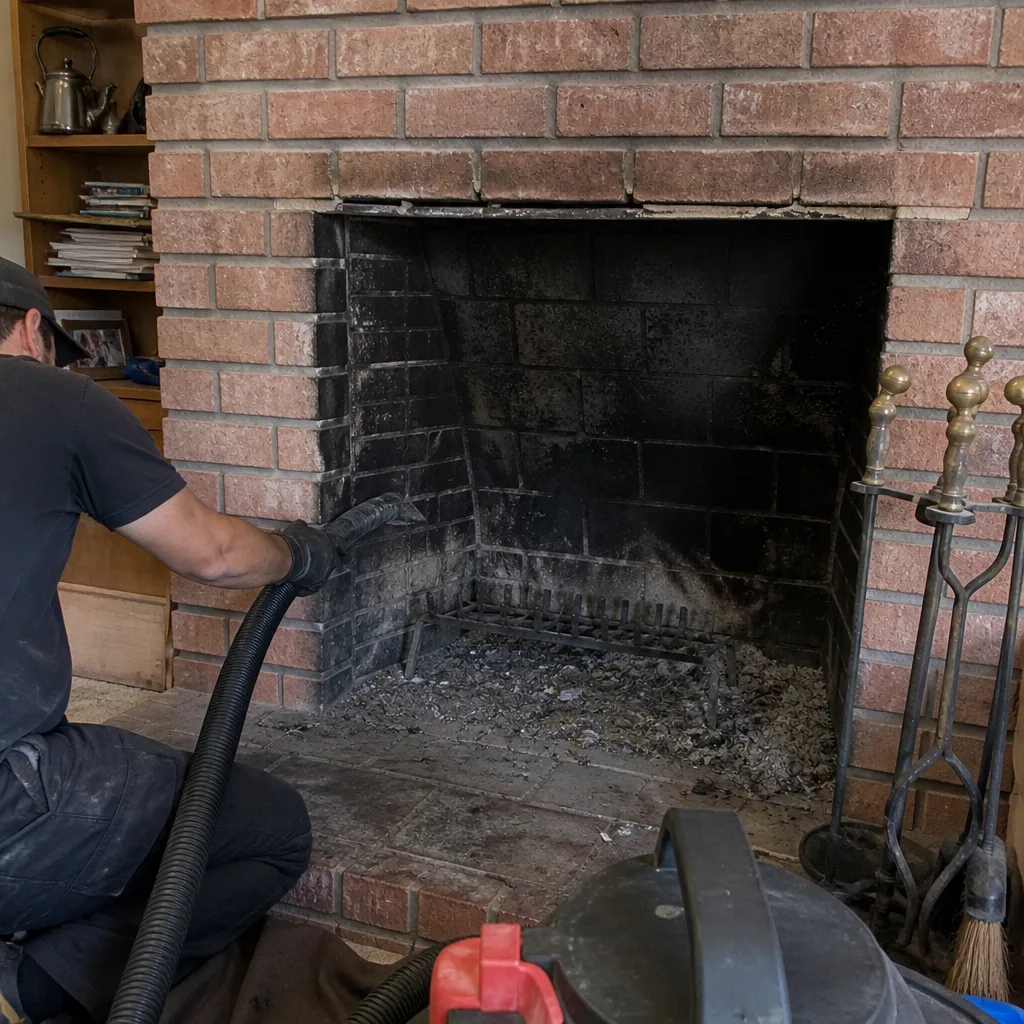 Before
 After
 Before
 After
Are you comparing quotes or booking your first sweep?
Call Chimney Sweep Midvale at (855) 523-1499. We answer 24/7. Fast dispatch from 7am to 7pm, Sunday through Friday. We’ll give you a free estimate with a clear scope so you know exactly what’s included, and we won’t recommend anything we can’t show you on camera.
Common Mistakes to Avoid
- Choosing the lowest quote without comparing scope. A $79 sweep and a $299 sweep can cover completely different amounts of work. Ask what’s included before you decide which number is actually cheaper.
- Skipping the camera inspection to save money. The inspection is what tells you whether your flue is safe. Saving it now is a gamble on a crack you can’t see from the firebox.
- Sweeping once every few years instead of annually. A long Midvale heating season builds creosote faster than most homeowners expect. Annual sweeps keep the deposit in Stage 1, where it’s easiest and cheapest to remove.
- Patching a crown instead of repairing it. A crown coat seals hairline cracks; a full rebuild replaces a failed crown. Patching a crown that needs rebuilding just delays the water intrusion.
- Installing a consumer-grade liner to pass an inspection. A cheap liner is a problem deferred, and it will need to be replaced sooner than a contractor-grade system like DuraFlex would.
- Assuming a cap isn’t worth the cost. A missing or damaged cap is one of the leading causes of water intrusion into a chimney. A $150 to $400 cap prevents a masonry repair that costs far more.
- Burning green or unseasoned wood to stretch the fuel supply. Wet wood produces more creosote for the same amount of heat, which means a faster buildup and a more expensive cleaning next time. Seasoned wood costs more up front and less at the sweep.
When to Call a Professional
Call a professional if you haven’t had your chimney swept in the last year and you’ve burned fires regularly, or if it’s been two or more years since any inspection at all. Call sooner if you notice smoke rolling back into the room when you light a fire, a strong creosote or soot odor even when the fireplace is cold, visible black staining on the exterior of the chimney, a cap that’s missing or badly rusted, or a crown with visible cracks. Any of those signals mean the chimney needs eyes on it, not a guess. If you’re also seeing water inside the firebox or on the masonry after a storm, that’s a cap or crown issue and should be addressed before the next freeze. Chimney Sweep Midvale offers free estimates in Midvale. Call (855) 523-1499. We answer 24/7. Fast dispatch from 7am to 7pm, Sunday through Friday.
Frequently Asked Questions
A standard sweep in Midvale typically runs $150 to $250 for a straightforward flue, and more if the creosote is heavy or the job includes a Level 2 camera inspection. Most full-service quotes land between $200 and $350. The written estimate sets the final price. Call (855) 523-1499 for an exact quote; estimates are free.
Once a year is the standard for a home that burns wood regularly through the heating season, and once a year is the baseline recommendation here because Midvale’s winters are long enough to build meaningful creosote in a single season. If you burn hard for six months straight, an annual sweep is the minimum, and a mid-season check is worth considering. Call (855) 523-1499 to book a sweep.
You need a liner repair if there’s a crack, gap, or damaged joint in the flue liner that a camera inspection can show you. You should not accept a liner repair recommendation without seeing the photos yourself. If the liner is sound, a HeatShield resurfacing or DuraFlex installation isn’t warranted, and a good technician will tell you so. Call (855) 523-1499 and ask for the camera report first; estimates are free.
Creosote accumulates to a harder, more dangerous stage, which makes the eventual cleaning more expensive and raises the risk of a chimney fire because glazed creosote ignites at high temperature. A missed liner crack can also allow moisture and combustion byproducts where they shouldn’t go, and carbon monoxide is the serious risk there. Skipping the sweep doesn’t save money; it shifts the cost to a repair that arrives later. Call (855) 523-1499 to get on the schedule.
Yes. A cap is one of the cheapest protective items on a chimney, typically $150 to $400, and the most common source of water intrusion into masonry. Replacing a damaged cap before a hard freeze prevents the freeze-thaw damage that leads to a much larger masonry repair. Call (855) 523-1499 for a free estimate.
Look at the scope, not the number. A quote that doesn’t include a camera inspection, doesn’t specify the liner brand if a liner is in scope, and ignores creosote stage is a quote you can’t compare. Ask every bidder for the same four items and compare those answers, then compare the prices. Call (855) 523-1499. We answer 24/7. Fast dispatch from 7am to 7pm, Sunday through Friday.
The Bottom Line
Chimney cleaning in Midvale ranges roughly from $150 to $350 for a standard sweep, but the number that matters is what’s inside it. A quote with a camera inspection, contractor-grade materials named, and a clear scope is worth more than a lower number with blanks in it. Creosote stage, liner condition, flue size, and whether inspection is bundled all shift the price, and they shift the risk of a repair you didn’t plan for. Compare quotes on four questions, not one number: sweep price, inspection included, liner brand, and debris disposal. If a job can safely wait, we say so; if it can’t, we show you the camera photos and let you decide. Call (855) 523-1499 for a free estimate with a clear scope.
Written by the team at Chimney Sweep Midvale.