
Last updated November 24, 2026
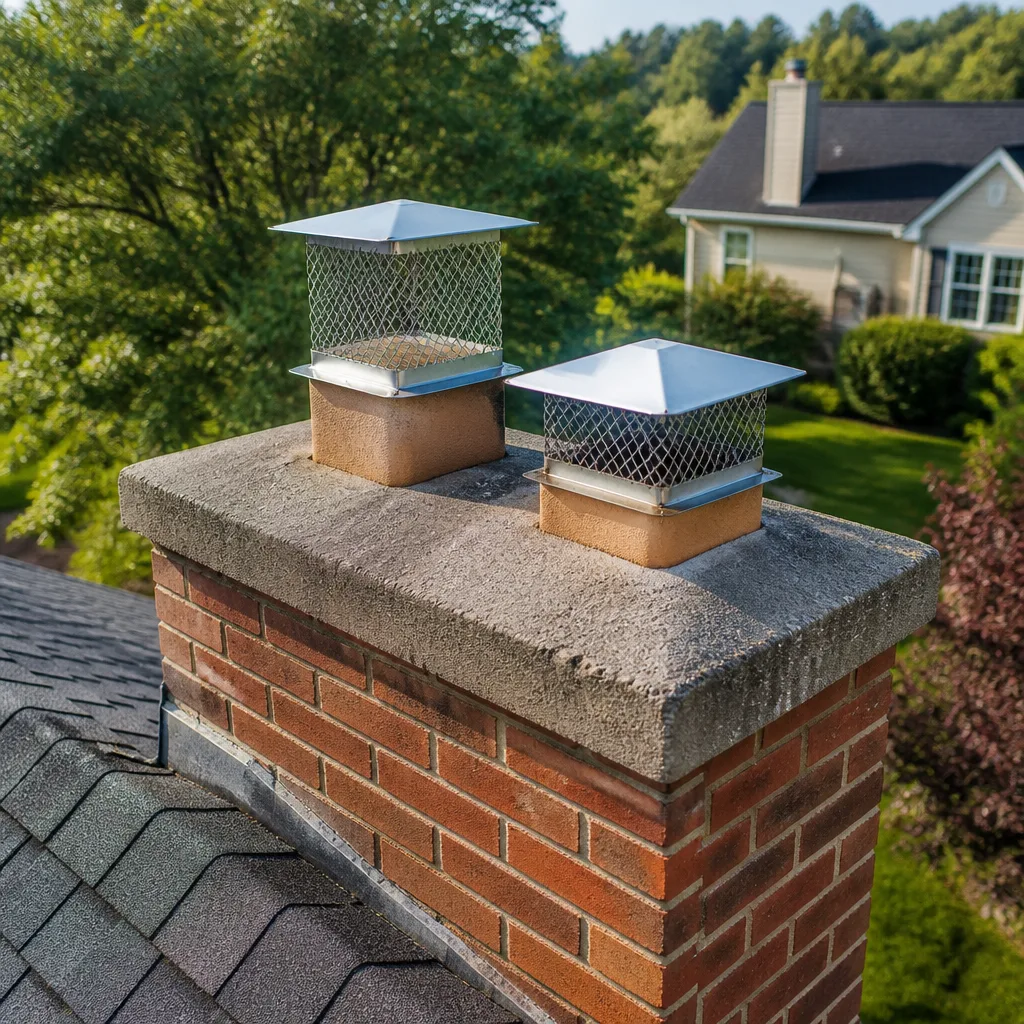 Sweep & inspection
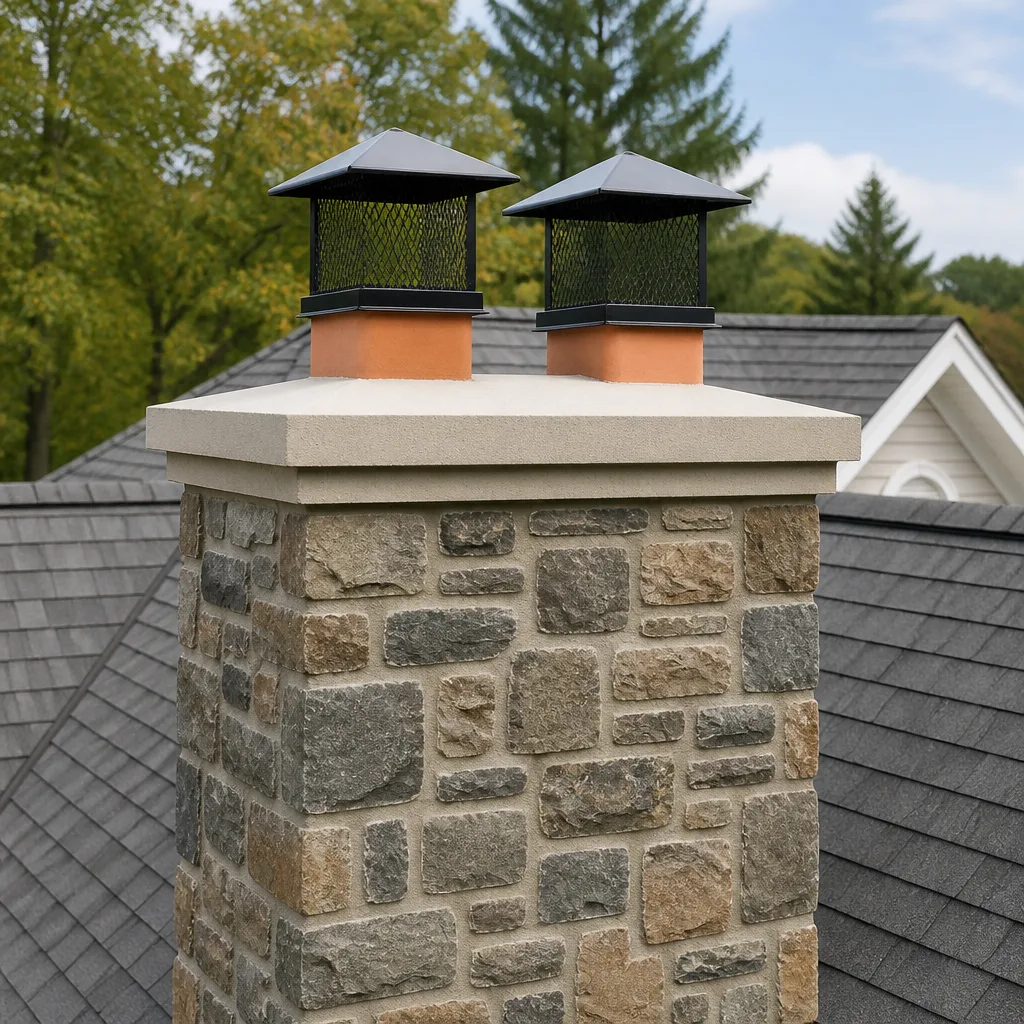 Caps & crowns
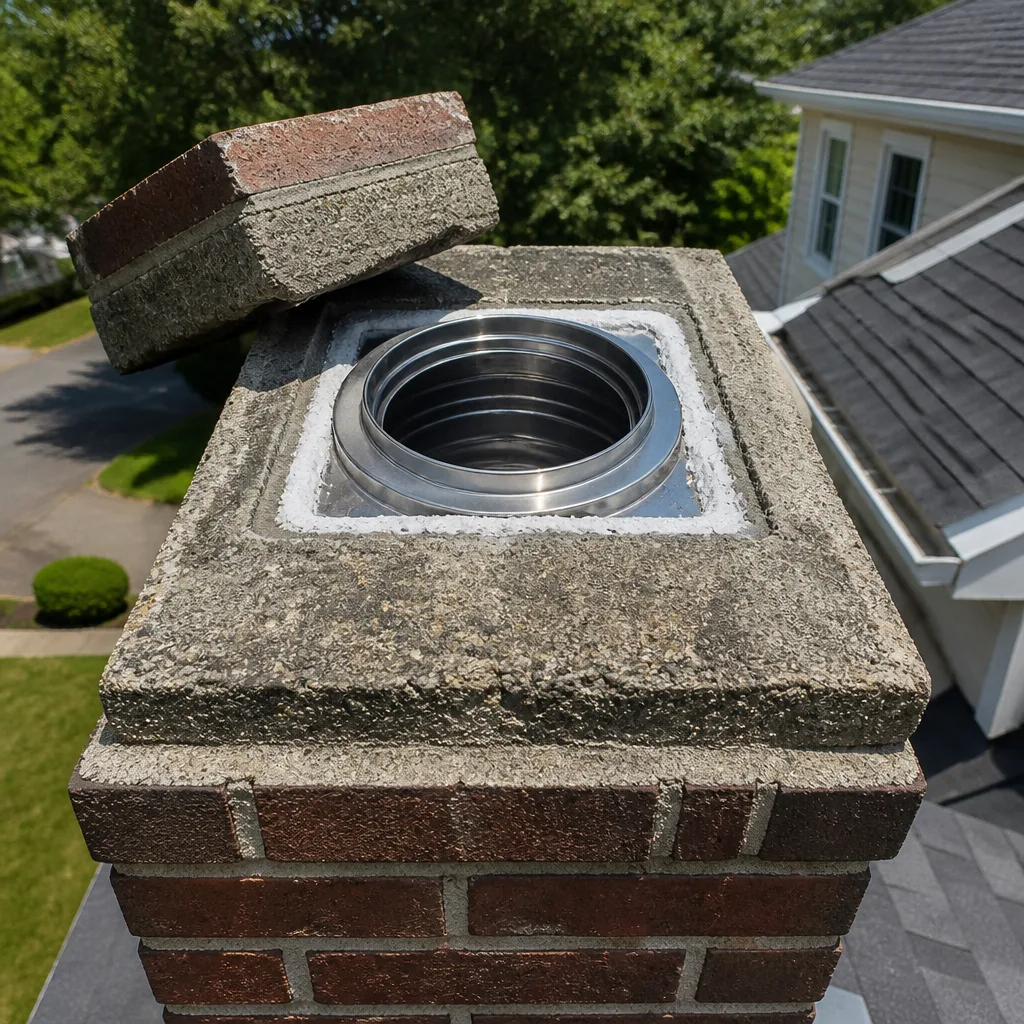 Flue relining
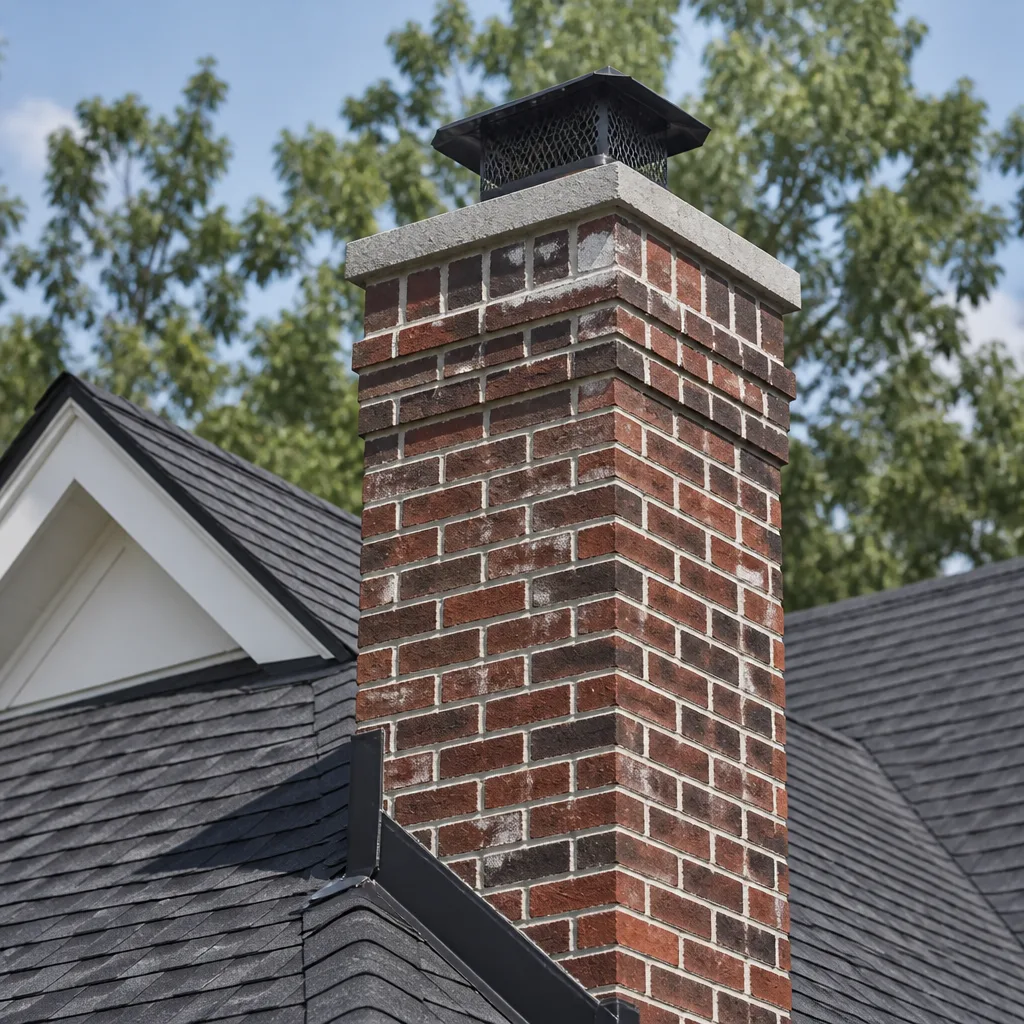 Masonry repair
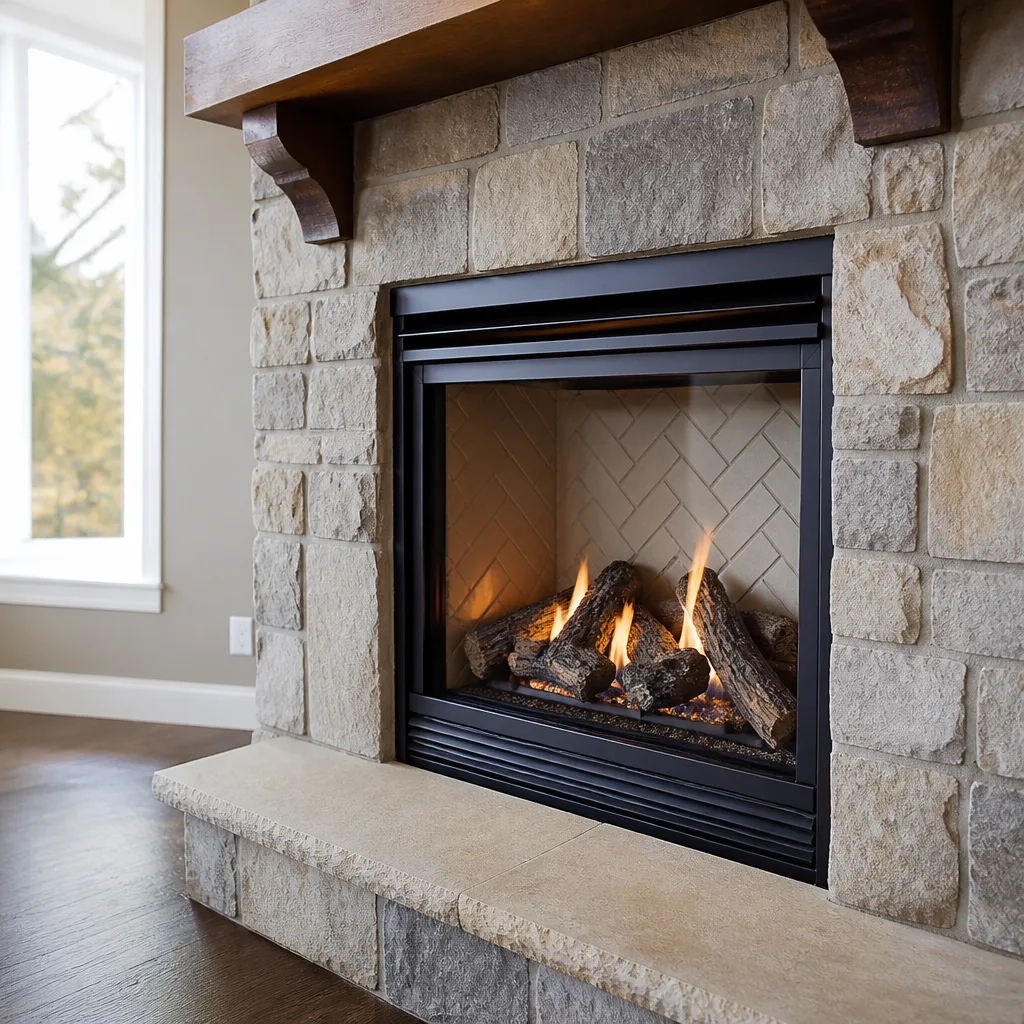 Gas fireplace service
Level 1 sweep and inspection to the NFPA 211 annual standard - flue, crown, cap, and flashing checked and photographed
Chimney sweep logs do not sweep chimneys. They loosen some creosote - which then falls where a brush and vacuum still have to collect it.
Chimney Sweep Troubleshooting in Midvale: Common Problems and How to Fix Them
A smoky fireplace and a rusted damper look like two different problems. They’re usually the same one: water getting into your chimney system at a point nobody checked. In Midvale, that point is almost always the crown or the cap, and by the time smoke backs up into the living room, the damage has been working quietly for a season or two. This guide walks you through the common problems we troubleshoot across Midvale, shows you how to trace a symptom back to its real source, and separates what you can safely check yourself from what needs a certified sweep and a proper inspection.
Quick Answer
Most chimney problems in Midvale trace back to one of four causes: creosote buildup, water intrusion through a failing crown or cap, a flue that’s the wrong size or condition for the appliance, or negative air pressure pulling exhaust back into the house. Diagnosing which one you have means matching the symptom (smoke, smell, staining, weak draft) to the structural cause, and a Level II inspection is how that trace is confirmed with a camera. Surface fixes like a new damper or a different wood type rarely solve a problem that starts higher up the flue.
Styles & brands we work with
- Sweep & inspection
- Caps & crowns
- Flue relining
- Masonry repair
- Gas fireplace service
Table of Contents
- Matching the Symptom to the Cause
- How Midvale’s Freeze-Thaw Cycles Drive Chimney Damage
- Symptom-to-Cause Map
- What You Can Check Yourself vs. What Needs a Pro
- What a Level II Inspection Actually Looks For
- Common DIY Misdiagnoses
- How Each Problem Gets Fixed
- Common Mistakes to Avoid
Matching the Symptom to the Cause
The reason chimney troubleshooting goes wrong so often is that the symptom shows up in one place and the cause lives in another. Smoke rolling into the room points to a draft problem, but the draft problem could be a blocked flue, a flue that’s too short for the appliance, a cracked crown letting water swell the masonry, or a house that’s tighter than the chimney was designed for. Treating the symptom (opening a window, cracking the damper wider) works for an evening and then fails again.
In our experience across Midvale, the fastest path to the real answer is to group symptoms by what they have in common. Smoke and weak draft belong to the same family because both come down to airflow. Odor and staining belong to a different family because both usually involve moisture or creosote. Rust and crumbling mortar belong to the water family. Once you know which family a symptom belongs to, the diagnostic path narrows quickly.
The pattern that surprises most homeowners: a smoky fireplace in winter and a rusty damper in spring are the same failure. Water gets in through a cracked crown or a missing cap through the fall and winter, the damper and firebox metal rust, and the swollen, saturated masonry changes how the flue drafts. Fix the water entry and the smoke complaint often resolves with it. Chase the smoke alone and you’ll be back to the same problem next season.
This is the core of how we approach troubleshooting in Midvale: trace the symptom to its source in the system, not to the last thing you touched. Your flue, liner, crown, and cap are one connected system, and a failure at the top shows up at the bottom.
How Midvale’s Freeze-Thaw Cycles Drive Chimney Damage
Midvale sits in a climate where winter days regularly climb above freezing and nights drop well below it. That freeze-thaw swing is hard on masonry. Water soaks into the mortar joints and the porous brick of the chimney exterior during a warm afternoon, then freezes overnight, expands, and pushes the masonry slightly apart. Repeat that cycle through a winter and hairline cracks become real cracks, and real cracks let in more water next season.
This is why the crown matters so much in Midvale. The crown is the concrete cap at the very top of the chimney that sheds water away from the masonry below it. A crown with a hairline crack, a crown that’s pulled away from the flue, or a crown that was never sloped properly will funnel water straight into the chimney body. From there, the damage shows up as:
- Crumbling mortar joints on the exterior, especially on the south and west faces where sun drives the thaw
- Efflorescence, the white chalky staining on brick that signals moisture moving through the masonry
- Rust on the damper, firebox, or the top of a liner
- A musty smell in the firebox in warmer months
- Draft problems that appear or worsen after a cold snap
The tricky part is that a Midvale homeowner often notices the draft problem indoors first and never looks up at the crown. By the time the smoke complaint shows up, the freeze-thaw cycle has been working on that crown for a full season or more. The fix starts at the top. Cap and crown work is preventive work, and in this climate it’s the single highest-value maintenance you can do for the system.
It’s also worth knowing that this climate punishes quick patch jobs. Smearing mortar over a cracked crown or caulking a joint looks fine in July and fails by the first hard freeze. Repair materials need to be rated for the movement and temperature swing this valley sees, which is one reason we work with professional-grade products specified for the job rather than a generic tube from the hardware store.
Symptom-to-Cause Map
Use this map to narrow down what’s happening before you call. It won’t replace an inspection, but it will help you describe the problem clearly and understand what the technician is going to look for.
Smoke backing into the room
- Most likely cause: restricted flue (creosote buildup, a blocked or collapsed liner, a bird or debris nest), an undersized flue for the appliance, or negative air pressure in the house
- Less common: a closed or partially closed damper, a flue that’s too short for the chimney’s location, or a chimney that’s on the wrong side of a pressure boundary
Chimney smell, especially in warm weather
- Most likely cause: creosote or soot in the flue combined with moisture, which reactivates the smell when the chimney is warm and the house is closed up
- Less common: a blocked cap or a downdraft pulling air back through a cold flue
Staining on the chimney exterior or interior ceiling
- Most likely cause: water intrusion through a failed crown, a missing or damaged cap, or deteriorated flashing where the chimney meets the roof
- Less common: a masonry crack in the chimney body itself
Weak draft or a fire that won’t stay lit
- Most likely cause: a flue that’s the wrong size for the firebox, a partially blocked flue, or negative pressure from a tightly sealed house competing with the chimney
- Less common: a flue that’s too short or an oversized firebox relative to the flue
Rust on the damper or firebox
- Most likely cause: water getting in from above, through the crown, cap, or flashing
If you can match your situation to one of these lines, you’re already ahead of most homeowners who call and describe only the symptom. A chimney sweep visit confirms the cause and clears the flue at the same time, so the inspection and the cleaning happen together.
What You Can Check Yourself vs. What Needs a Pro
Some checks are safe and useful for a homeowner to do. Others aren’t worth the risk, and a few can cause real harm if you try them without training. Here’s where the line sits.
Safe to check yourself
- Cap condition from the ground: using binoculars, look at the top of the chimney. Is the cap there? Is it rusted, bent, or missing? A cap is the first line of defense against water and animals.
- Damper function: open and close the damper by hand before each season. It should move freely and seat fully. If it’s stiff, rusted, or won’t close, that’s a note for the technician.
- Visible creosote at the flue throat: with a flashlight, look up into the flue from the firebox. You can see the first foot or so. Heavy, shiny, tar-like creosote there tells you the flue needs attention.
- Exterior masonry from the ground: look for crumbling mortar, cracked brick, or white staining on the chimney exterior.
- Water staining indoors: check the ceiling and walls near the chimney for any discoloration.
Not safe to check yourself
- Climbing onto the roof to inspect the crown: roofs here are pitched and the freeze-thaw winter leaves surfaces unreliable. Fall risk is real and a fall from a roof is a serious injury.
- Running a camera down the flue: the equipment is specialized and the reading takes training. A camera run by a homeowner tells you almost nothing that helps.
- Removing a stuck damper or firebox component: these parts are often rusted in place and under load. What looks like a simple extraction can damage the surrounding masonry.
- Cleaning the flue yourself: the brushes and rods used by a sweep are designed for the job, and doing it wrong can push creosote into places that are worse than where it started. Creosote is also a genuine fire hazard, and a professional sweep knows what to look for while cleaning.
We tell Midvale homeowners that the ground-level check is worth doing every fall. Cap on, damper moving, firebox clear of debris. If any of those fail, that’s the call. If they pass, you still want a professional sweep and inspection before the burning season, because the problems that matter most aren’t visible from the ground.
What a Level II Inspection Actually Looks For
A Level II inspection is the standard inspection used when a chimney changes hands, changes appliance, or shows a symptom that needs a real diagnosis. It goes beyond a visual look, which is what most homeowners picture when they hear “inspection.” Understanding what a Level II actually covers helps you know what you’re paying for and what the report should tell you.
- Exterior evaluation. The technician checks the crown for cracks and slope, the cap for damage, the flashing at the roof line, and the exterior masonry for cracking, spalling, or staining.
- Firebox and damper assessment. The firebox is checked for cracks and deterioration, and the damper is tested for full operation and proper seating.
- Flue camera inspection. A camera run down the flue shows the interior condition of the liner: creosote buildup, cracks, gaps at joints, or a collapsed section. This is the step most homeowners never see and the step that matters most.
- Creosote evaluation. The technician grades the creosote present, because the grade determines whether a standard sweep will clear it or whether more is needed.
- Draft and pressure check. The chimney’s actual draft is confirmed, and the technician considers the house’s pressure characteristics, especially in newer, tighter construction.
- Connected appliance check. If a wood stove, insert, or gas appliance is connected, the connection and venting are verified as part of the system.
- Written report with photos. The findings are documented with photos so you can see what the technician saw. You should never be told you need work without being shown why.
That last point is the one we care most about. We explain what we find and why it matters, and if a repair can safely wait until next season, we say so. Nothing is recommended without camera evidence you can see for yourself. If you’ve been told you need thousands of dollars of liner or masonry work and nobody showed you the inside of the flue, get a second opinion with photos before you spend anything.
One more note on timing. A Level II inspection is worth booking before the burning season starts, not after a problem shows up. In Midvale, that means late summer or early fall, when the weather is still workable and the schedule isn’t compressed. The urgency here is seasonal, not hourly.
If the inspection turns up cracked or displaced masonry in the firebox itself, that’s a fireplace repair matter and should be handled before the next fire. Structural issues in the chimney body above the firebox fall under chimney repair, and getting the right trade to the right problem saves money.
Common DIY Misdiagnoses
We hear these every season in Midvale. Each one sounds reasonable and each one leads a homeowner away from the real fix.
“It’s the wood. I need better-seasoned wood.”
Wood quality matters, but it doesn’t cause smoke to back up into a room when the flue is sized wrong or the house is pulling air the wrong way. If a fire smoked with dry wood and smoked with wet wood, the problem isn’t the wood. It’s the flue or the pressure balance.
“The damper must be stuck. I’ll just prop it open.”
A damper propped open can mask a draft problem for a while, but it also sends your heat straight up the chimney and doesn’t fix whatever is restricting the flue. If the damper is actually rusted, that rust is a signal water is getting in above it.
“A new cap will fix the smell.”
A cap can help with animal intrusion and some rain entry, but a smell that appears in warm weather usually means creosote in the flue is reacting with moisture. A new cap on top of a creosote-loaded flue doesn’t solve the smell. It just dresses up the symptom.
“The chimney just needs a good cleaning and it’ll be fine.”
Cleaning clears creosote. It doesn’t fix a cracked crown, a failed liner, or a hole in the flashing. If the symptom is water-related, cleaning alone will have you back on the phone within a season.
“I’ll seal the masonry and call it done.”
A sealer applied over active water intrusion traps the moisture inside the masonry. In a Midvale freeze-thaw winter, that trapped water expands and does more damage than if the masonry had been left alone. Sealant is a finish, not a repair.
“It’s just a draft. I’ll open a window when I light a fire.”
Cracking a window works around a negative pressure problem. It also wastes heat and doesn’t address whether the flue is actually doing its job. If you need a window open to light a fire, the chimney system needs a look.
How Each Problem Gets Fixed
Once the cause is confirmed, the fix depends on what the inspection found. Here’s how the common problems actually get resolved, and where a durable repair matters more than a patch.
Creosote buildup
A standard sweep clears most creosote grades. Heavy, glazed creosote may need more than a brush, and the inspection will tell you which you’re dealing with. The sweep is also the moment to check the liner for damage the creosote was hiding.
Water intrusion through the crown
This is the most common structural failure we see in Midvale, and it’s the one that drives the most symptoms. The crown needs to be rebuilt or resurfaced so it sheds water properly, and any open joints in the masonry above the roof line need to be addressed so water has nowhere to pool. A proper crown slope is what makes the repair last.
Cracked or damaged liner
A damaged liner is a safety issue, not just a draft issue, because it lets heat and gases contact the surrounding masonry. Where the liner can be repaired rather than replaced, we use HeatShield resurfacing: a professional liner-repair system that restores the flue’s interior surface without full replacement, and one most sweep companies can’t offer. Where the flue needs a new liner entirely, or the existing one is undersized for the appliance, a DuraFlex flexible liner installs without full masonry demolition. Both routes are chosen from what the camera shows, not from a preference for big jobs or small ones.
Missing or damaged cap
A cap is the first defense against water, animals, and downdrafts. We install and repair caps from Copperfield and other professional-grade lines, chosen to fit the flue and the appliance rather than whatever the hardware store had on the shelf. This is preventive work that protects the rest of the system.
Draft and pressure problems
These get solved by correcting the flue-to-appliance match, confirming the liner is intact and the right size, and addressing the pressure balance in the home. Sometimes the answer is a flue that needs resizing. Sometimes it’s a liner that was undersized for the firebox from the start. The inspection tells you which, and a sweep confirms the flue is clear before any draft correction is attempted.
Full-system chimney care means the sweep, the inspection, the repair, and the protection all get handled in one place. That matters because a draft problem that’s actually a crown problem shouldn’t require three different contractors to sort out. If you’re starting from scratch and want the overview, the Chimney Sweep Midvale page lays out the full service picture.
Common Mistakes to Avoid
- Treating the symptom and never checking the crown. In Midvale’s climate, the crown is the first place to look when anything seems off with the chimney. A smoky fire or a rusty damper usually has a crown problem upstream of it.
- Buying a cap at the hardware store and installing it yourself on the roof. Roof work here is a real fall risk, especially in shoulder seasons when surfaces get slick. A cap that’s sized wrong or fitted poorly can also restrict draft.
- Sealing masonry over active water intrusion. Sealant applied before the water source is fixed traps moisture in the brick through a freeze-thaw winter and makes the damage worse.
- Skipping the sweep because the fire “works fine.” A chimney can draft well and still have a dangerous creosote load or a crack in the liner. Working fine isn’t a diagnosis.
- Replacing a damper without checking for water entry first. A rusted damper is a symptom. If you replace it and don’t fix the crown or cap, the new one rusts too.
- Assuming a bigger firebox or a fireback will fix a smoke problem. Changing the firebox without matching the flue is one of the most reliable ways to make a draft problem worse.
- Taking a bid for liner work without seeing photos of the flue. Any recommendation for liner or masonry work should come with camera evidence. If it doesn’t, ask for it before you spend anything.
- Putting off a fall inspection until the first cold snap. In Midvale, the freeze-thaw damage happens in winter. Getting the crown and cap checked in late summer or fall gives you time to fix it before the season starts.
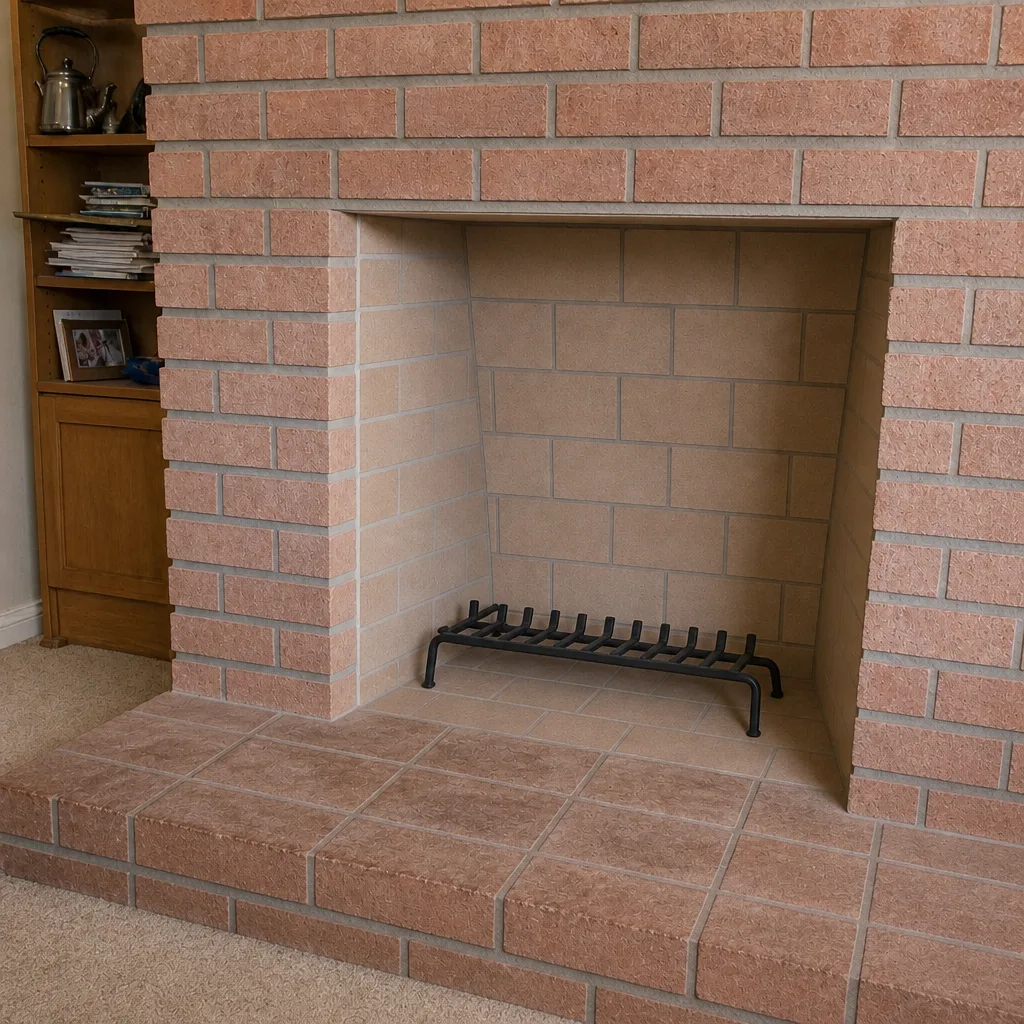
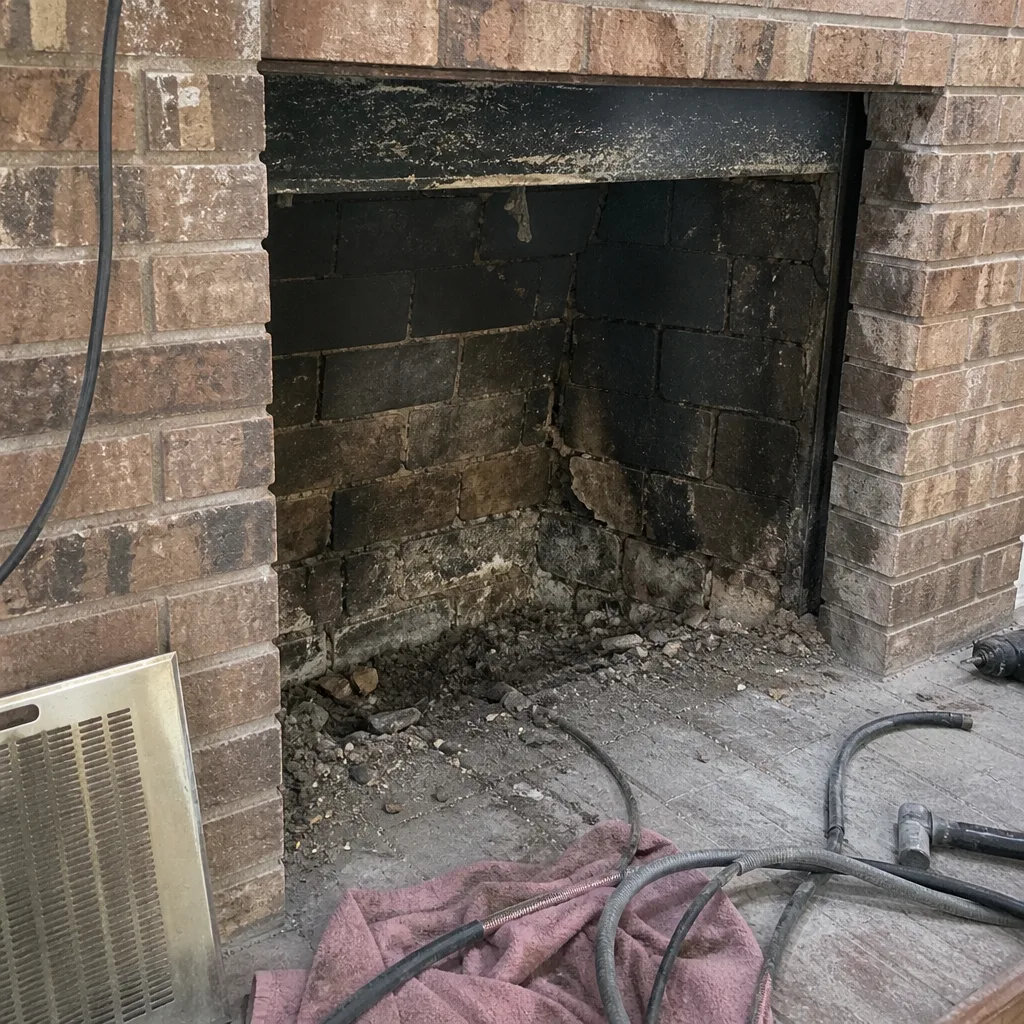
See the difference
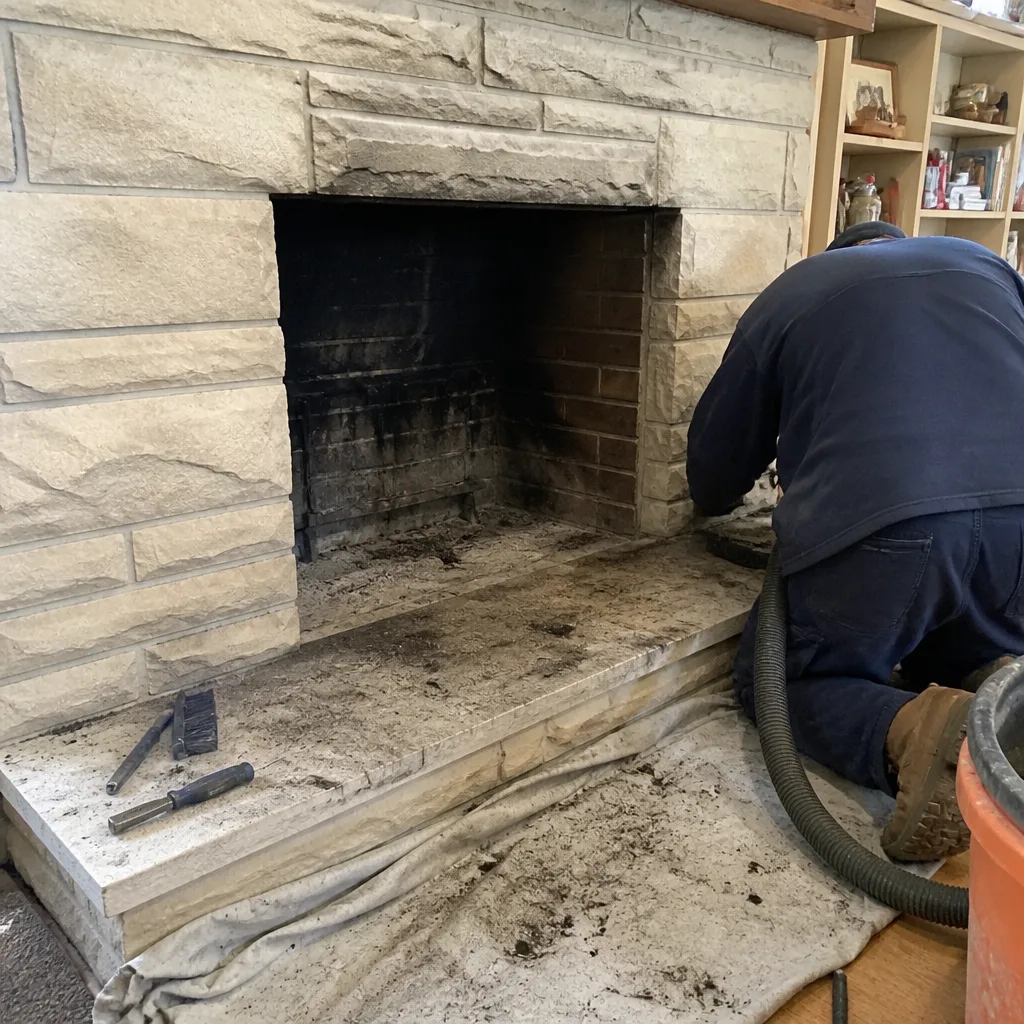 Before
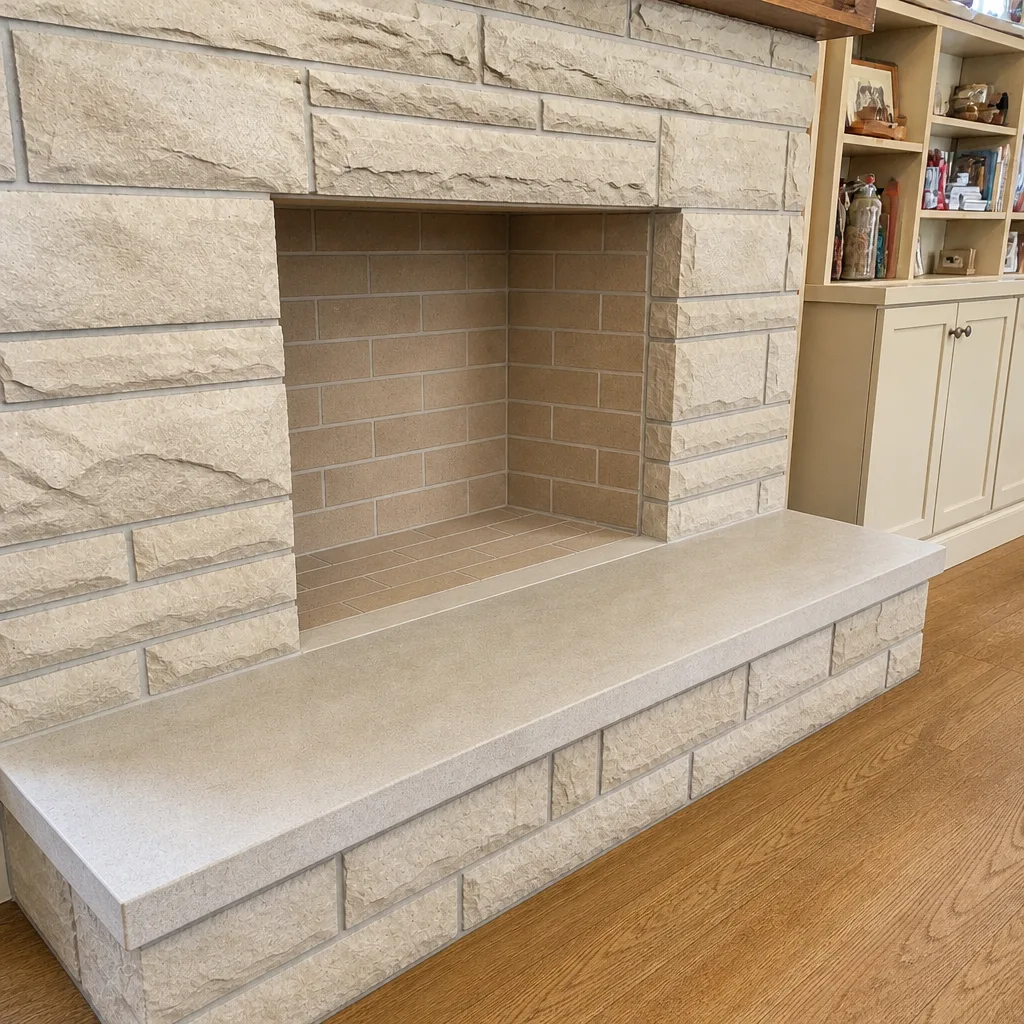 After
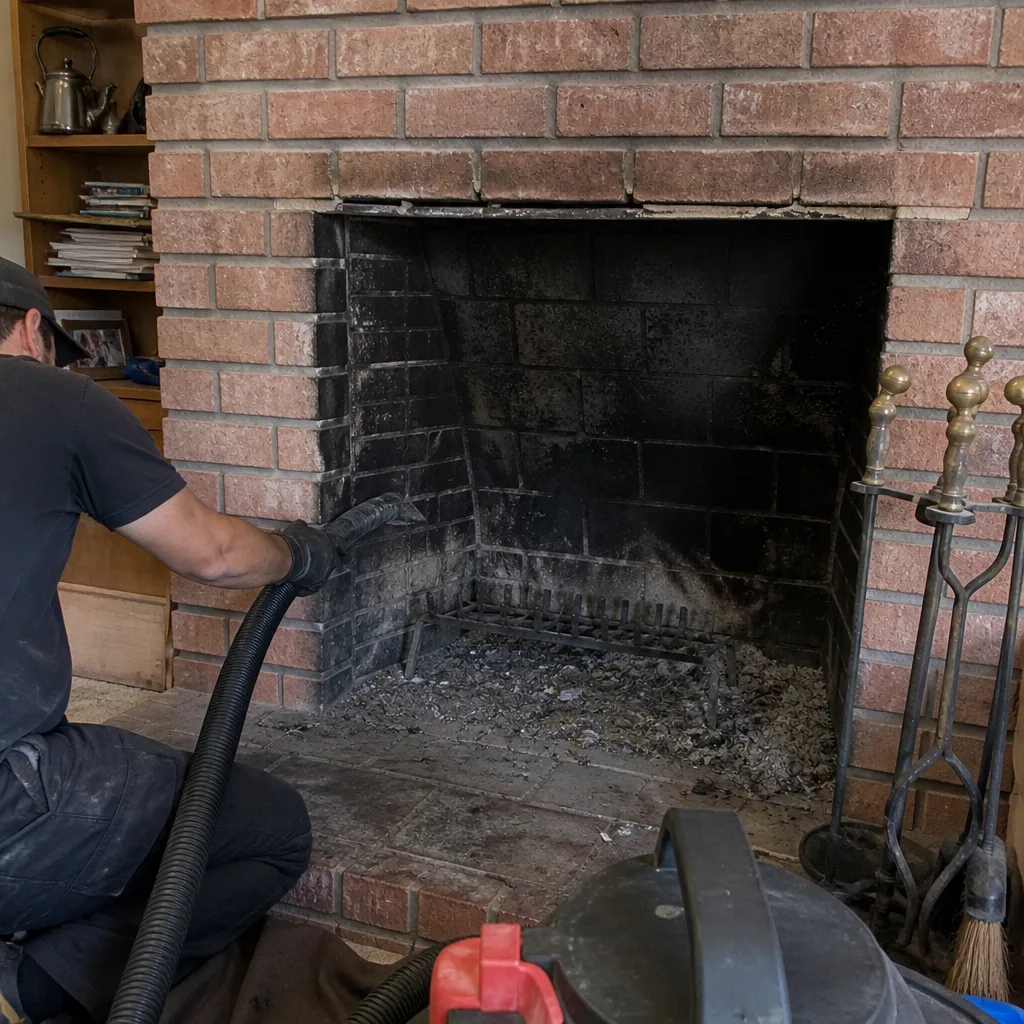 Before
 After
 Before
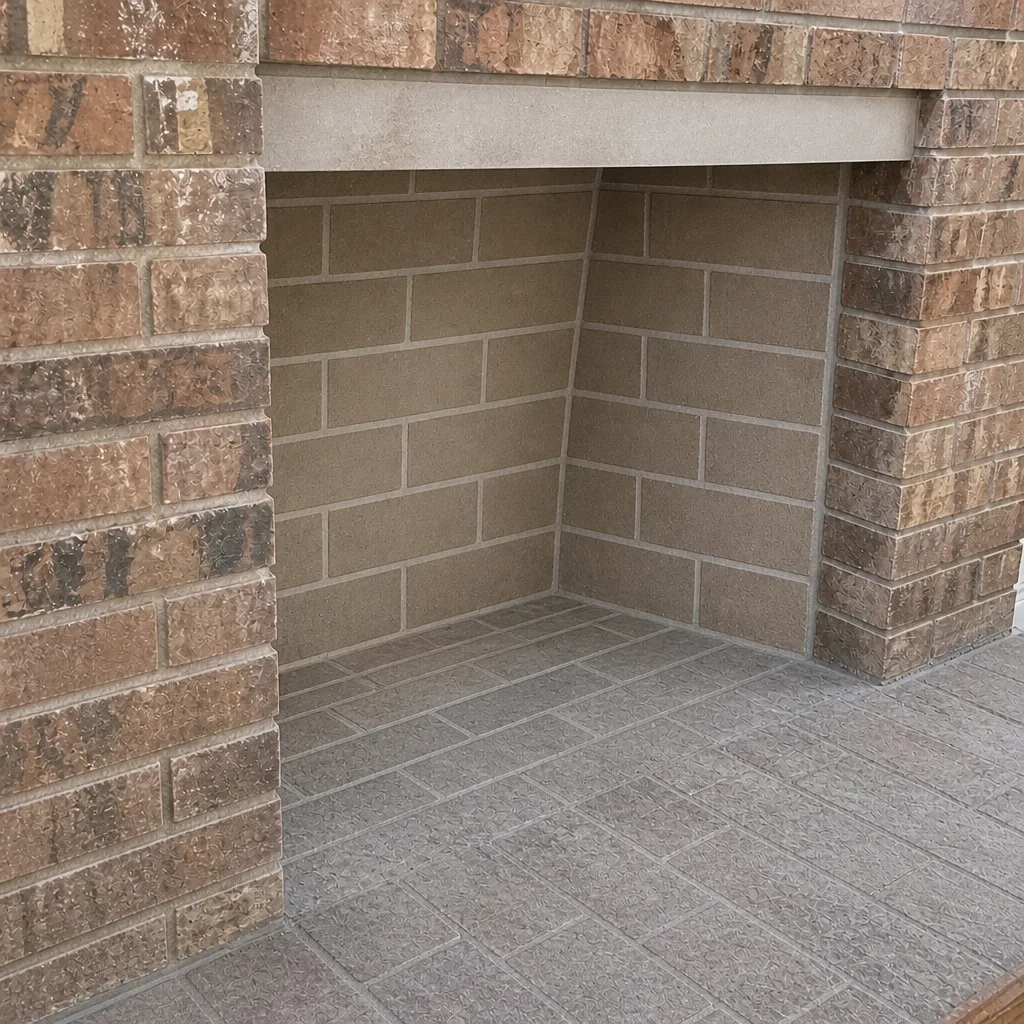 After
When to Call a Professional
Call a professional when the symptom involves smoke backing into the room, a smell that won’t clear, staining on the interior ceiling or exterior masonry, or rust on the damper and firebox. Call when the cap is missing or damaged, when you can’t confirm the damper seats properly, or when the flue hasn’t been swept in a year or more of regular burning. Call if you’ve already tried a fix (new cap, different wood, propped damper) and the problem came back, because that’s a sign the cause is upstream of the fix. And call before you spend money on a big repair if nobody has shown you photos of what’s wrong.
Chimney Sweep Midvale offers free estimates in Midvale. Call (855) 523-1499. We answer 24/7. Fast dispatch from 7am to 7pm, Sunday through Friday. Our technicians have up to 10 years of experience, and we work with professional-grade brands like HeatShield, DuraFlex, Gelco, Olympia Chimney, Famco, and Copperfield.
Frequently Asked Questions
Water problems show up as rust, white staining on the masonry, a musty smell, and damage that gets worse after cold weather. Creosote problems show up as smoke, smell in warm weather, and visible buildup at the flue throat. The two overlap more than people expect, because creosote plus moisture is what reactivates the smell. A Level II inspection settles it with a camera and photos. Call (855) 523-1499 for an exact quote on an inspection, and the estimate is free.
A new liner is needed only when the camera shows the existing liner is cracked, displaced, collapsed, or undersized for the appliance. If the liner is intact, resurfacing with HeatShield may be the right route instead of full replacement, and it restores the flue without masonry demolition. Ask to see the camera footage before any liner work is approved. Nothing we recommend is done without evidence you can see for yourself. Call (855) 523-1499 with questions before you commit to anything.
For a home burning wood regularly through the winter, an annual sweep and inspection is the standard. Midvale’s freeze-thaw climate also makes an annual crown and cap check worth doing at the same time, since water damage accumulates over the winter and is easier to catch early. If you burn only occasionally, ask a sweep to evaluate your specific usage and creosote grade. Call (855) 523-1499 to book a sweep, and estimates are free.
Creosote keeps building up, and heavy creosote is a chimney fire hazard because it’s fuel sitting in the flue. A small crack in the liner or crown also gets worse with another freeze-thaw cycle, and the repair gets bigger and more expensive. Skipping a year won’t always mean a fire, but it does mean less margin and more cost later. Call (855) 523-1499 for an exact quote on a sweep and inspection, and the estimate is free.
Winter is when the temperature difference between the chimney and the outside air is largest, which exaggerates a draft problem that’s barely noticeable in milder weather. A flue that’s slightly undersized or a house that’s pulling air the wrong way can work in fall and fail in January. A cold, wet flue also drafts more slowly until it warms up. An inspection confirms which of those you have. Call (855) 523-1499 for a free estimate.
Sealing masonry over active water intrusion traps water inside the brick and makes freeze-thaw damage worse, so a surface sealant is the wrong first step. The water source has to be found and fixed first, usually at the crown or the cap. Once that’s corrected, a proper finish can go on. If you’re not sure where the water is coming from, an inspection will tell you. Call (855) 523-1499 for an exact quote, and the estimate is free.
The Bottom Line
Almost every chimney problem in Midvale is a symptom of something upstream in the system. Smoke, smell, staining, and rust all trace back to a small number of causes: creosote, water intrusion through the crown or cap, a liner that’s damaged or the wrong size, or a draft and pressure problem. The freeze-thaw cycle here makes the crown and cap the highest-priority checks every year, because water that gets in through the top is what drives most of what you notice indoors. Check what you can safely check from the ground. Get a professional sweep and Level II inspection before the burning season, with photos you can see for yourself. Fix the cause, not the symptom, and the repair will last.
Call (855) 523-1499. We answer 24/7. Fast dispatch from 7am to 7pm, Sunday through Friday.
Written by the team at Chimney Sweep Midvale.