
Last updated November 24, 2026
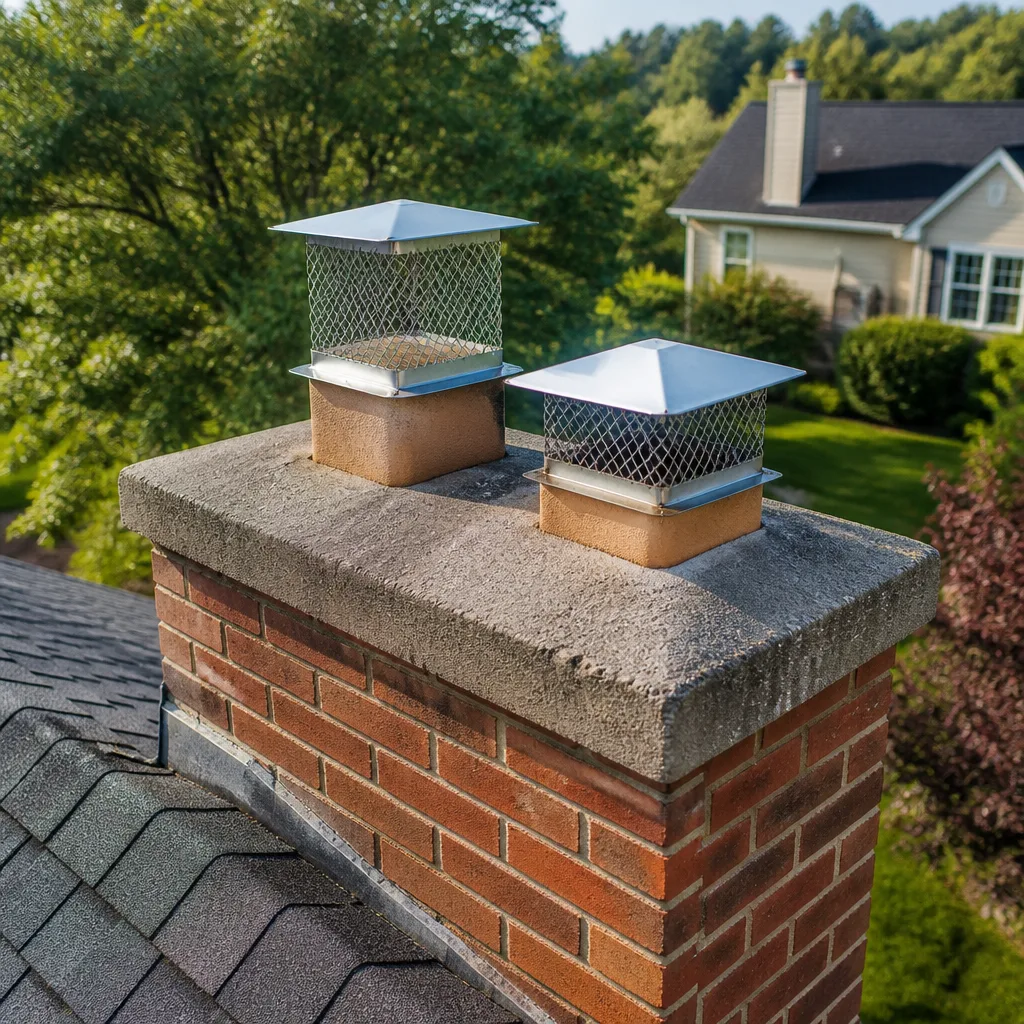 Sweep & inspection
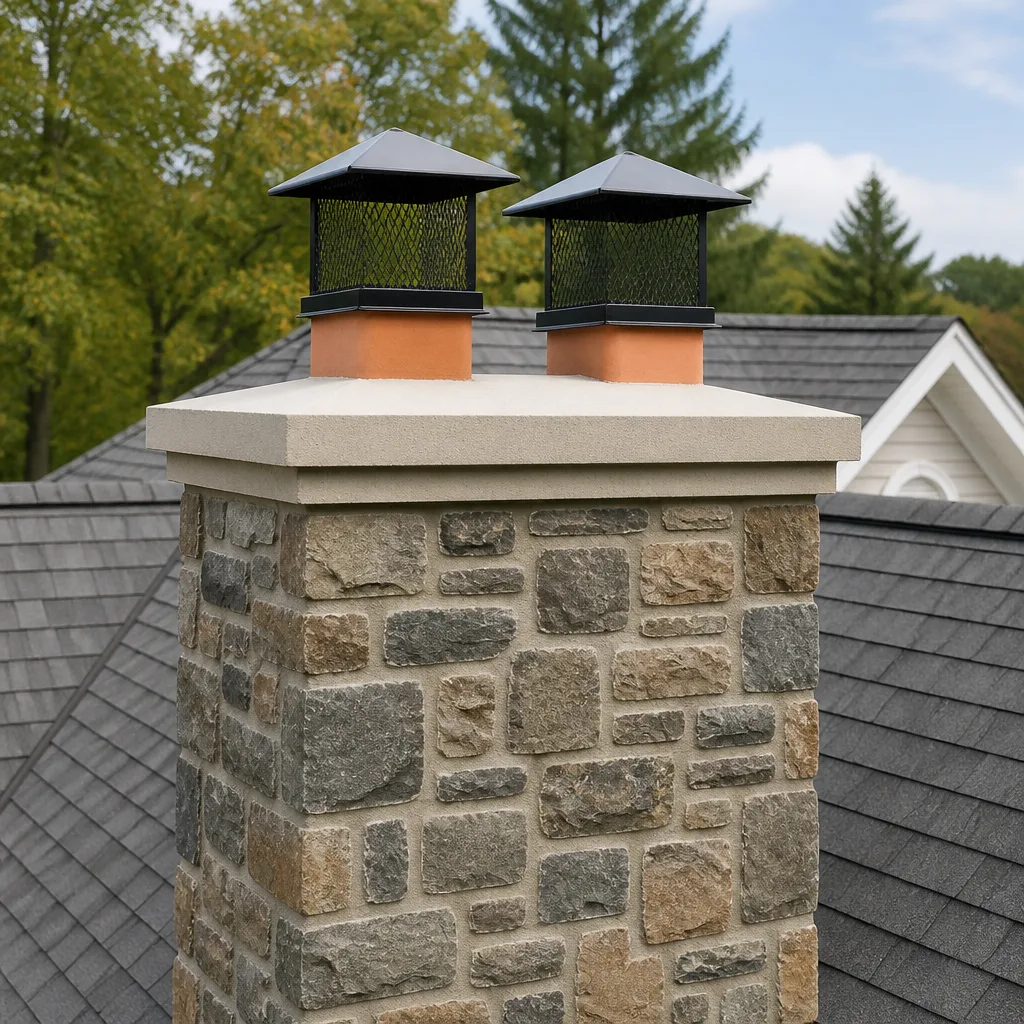 Caps & crowns
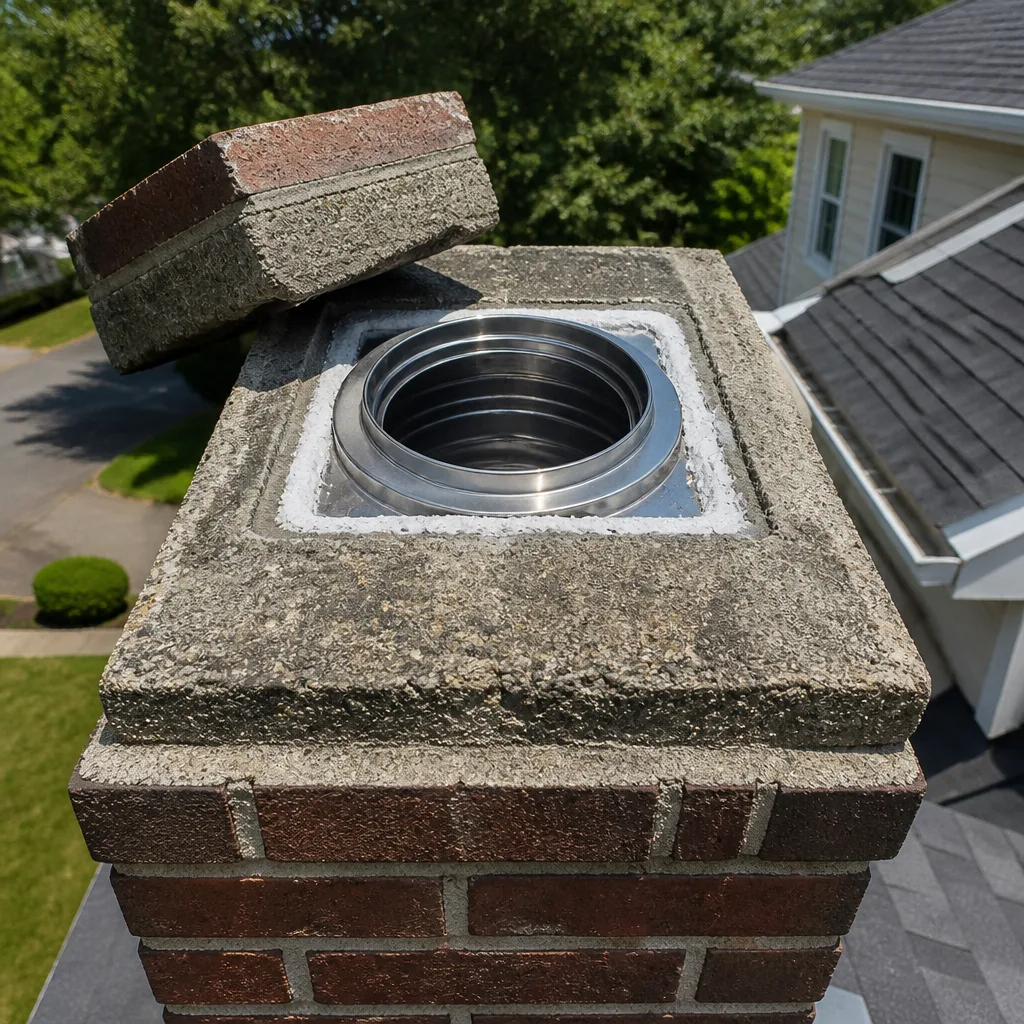 Flue relining
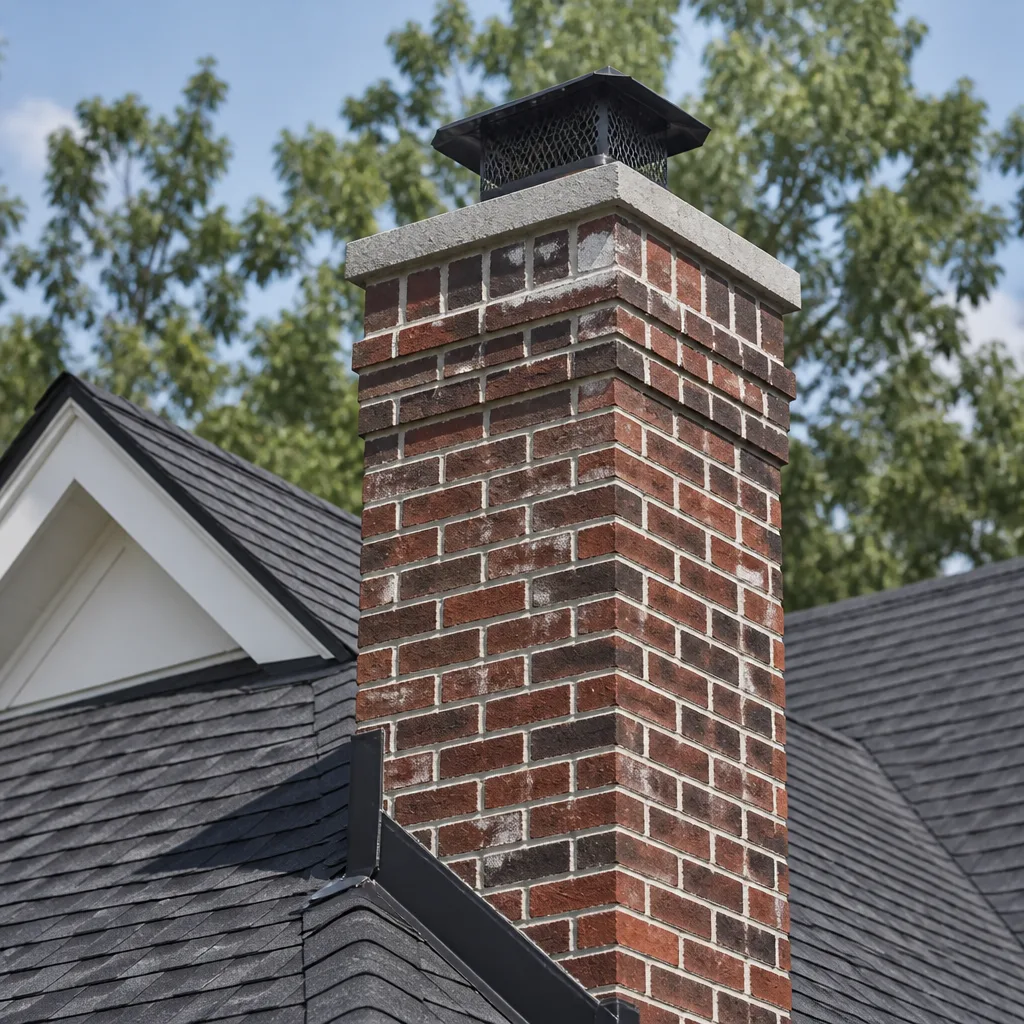 Masonry repair
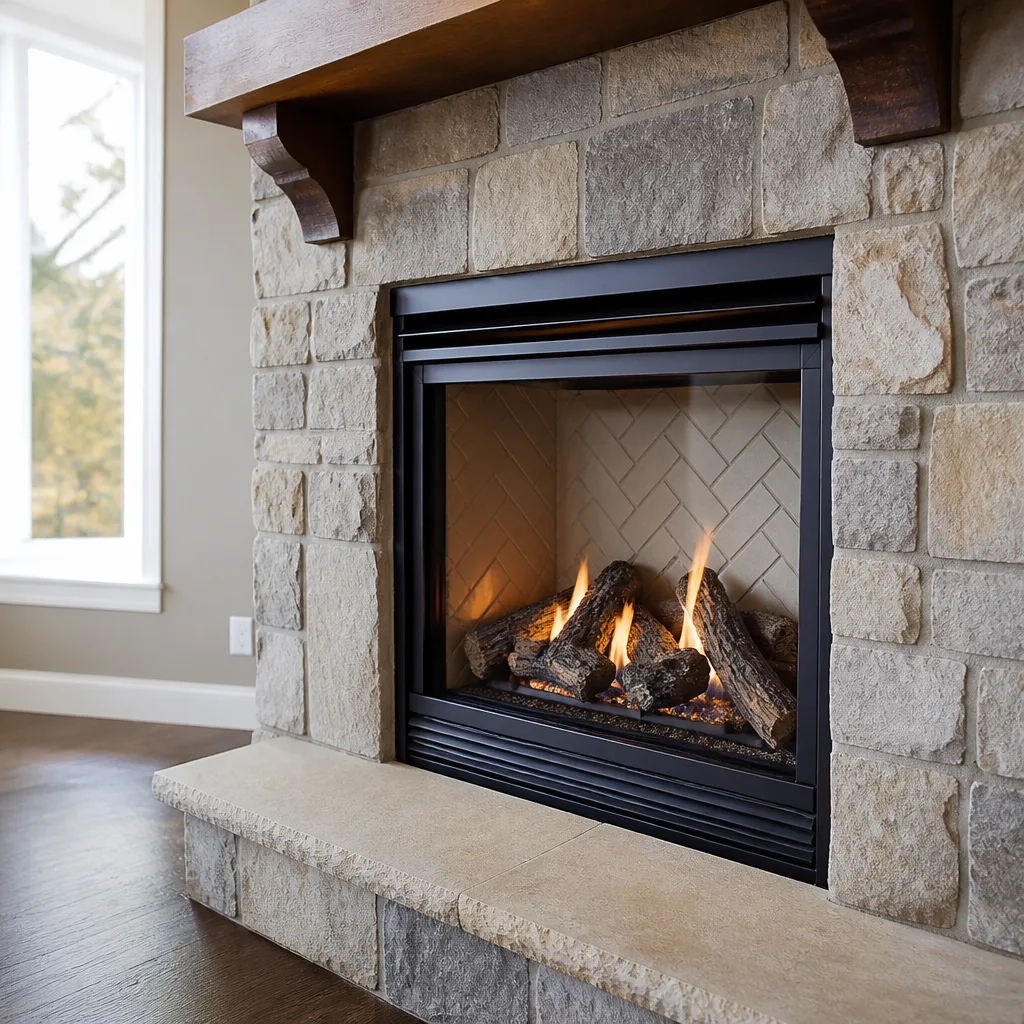 Gas fireplace service
Level 1 sweep and inspection to the NFPA 211 annual standard - flue, crown, cap, and flashing checked and photographed
Chimney sweep logs do not sweep chimneys. They loosen some creosote - which then falls where a brush and vacuum still have to collect it.
DIY vs Professional Chimney Cleaning: The Midvale Homeowner’s Decision Guide
You can buy a chimney brush for about $40. The tool that actually decides whether your chimney is safe, a flue camera that can spot a hairline crack in a tile behind a layer of creosote, costs closer to $1,500 and takes training to read. That gap is the whole debate. Most Midvale homeowners can physically push a brush up a flue. What they can’t do while they’re doing it is assess what the brush passed. This guide draws a clean line between the half of chimney care you can legitimately handle yourself and the half that needs a trained eye, so you spend your effort where it actually protects your home.
Quick Answer
DIY chimney cleaning covers the surfaces you can reach and see: firebox debris, damper movement, the exterior of the chimney from the ground. Professional cleaning and inspection cover what you can’t: the inside of the flue, the smoke chamber, creosote staging, and the tile condition behind it. In Midvale’s burn climate, the inspection is worth more than the sweeping, which is why we recommend annual professional service as the baseline and DIY work as the complement to it, never the replacement.
Styles & brands we work with
- Sweep & inspection
- Caps & crowns
- Flue relining
- Masonry repair
- Gas fireplace service
Table of Contents
- Where the DIY Capability Boundary Actually Sits
- What a Midvale Homeowner Can Legitimately DIY
- What Requires Professional Equipment and Training
- Creosote Degrees and Why the Difference Matters Here
- The Liability Math of a Missed Flue Crack
- When DIY Cleaning Is the Right Call
- When DIY Cleaning Is the Wrong Call
- How to Do the DIY Portions Correctly
Where the DIY Capability Boundary Actually Sits
The debate usually collapses into two positions that are both wrong. One says chimney sweeping is a simple mechanical chore anyone can do. The other says touching your own chimney is reckless. The reality is that chimney care splits into two distinct jobs: cleaning, which is mostly physical, and assessment, which is entirely diagnostic. Homeowners can do a meaningful share of the first. Almost nobody without training and equipment can do the second.
Here’s how that split looks in practice:
- Cleaning removes what has accumulated on surfaces. It’s a maintenance task with a visible result: the flue is cleaner than it was.
- Assessment determines whether the system is sound. It’s a diagnostic task with an invisible result: the flue may look fine and still have a cracked tile, a failed joint, or a smoke chamber that’s pulling apart behind the visible surface.
In Midvale, that distinction carries extra weight because of how the heating season runs. When the valley sits under an inversion, smoke doesn’t leave the way it does on a clear cold night. It lingers, cools, and deposits faster. That means creosote builds in layers and in places that a brush pass won’t tell you anything about. The chimney can look swept and still be staging a problem two feet up the flue where the brush never reached with enough contact to matter.
So the question isn’t “can I clean my chimney?” It’s “can I tell whether my chimney is safe after I’ve cleaned it?” For most homeowners, the honest answer to the second question is no. That’s not a knock on anyone’s competence. It’s what the equipment is for. A trained technician with a camera sees what you can’t, and that’s the part you’re paying for. We explain what we find and why it matters because a homeowner who understands the system makes better decisions about it. Full-system chimney care through Chimney Sweep Midvale exists to close exactly this gap.
What a Midvale Homeowner Can Legitimately DIY
There’s real work you can do yourself, and doing it well makes the professional visit more productive. Three areas fall squarely in the homeowner’s lane:
- Firebox debris removal. Ash, unburned wood, and fallen mortar collect in the firebox. Scoop it out into a metal container, not a plastic bag, and let it sit outside away from the house for a couple of days before you dispose of it. Ash can hold heat far longer than people expect. A clean firebox burns more predictably and makes the flue easier to inspect.
- Damper function check. Open and close the damper fully. It should move without grinding, stick, or hang up. Look up past it with a flashlight. If you can see daylight at the top, the flue is open. If the damper won’t seat or won’t open all the way, that’s a repair question, not a cleaning one, and it belongs to us or another qualified technician.
- Exterior visual inspection from the ground. Walk the perimeter with binoculars. Look for missing or cracked mortar joints, a tilted cap, rust staining on the cap or crown, and any plant growth sprouting from the masonry. A crown that’s cracked or spalling is letting water in, and water damage is the leading cause of structural chimney failure. You don’t need to climb anything to see this. A camera with a zoom lens works fine from the driveway.
What all three share: you can complete them without climbing, without a camera, and without interpreting anything diagnostic. They’re observation and light cleaning, which is exactly the right scope for homeowner work. If you want a deeper walkthrough of what a professional sweep actually involves before your first visit, our page on the chimney sweep covers what happens from start to finish.
What Requires Professional Equipment and Training
Three tasks cross the line into professional territory, and it’s worth being specific about why:
- Flue camera inspection. A camera on a flexible rod runs the full length of the flue and shows the interior in real time. It’s how a cracked tile, a gap at a joint, or a recessed mortar joint gets found. The camera costs more than most homeowners will ever spend on chimney care, but the cost isn’t the point. The point is that the technician has to know what a failing tile looks like versus a normal one, and how to distinguish a hairline that’s cosmetic from one that’s structural. That judgment takes repetition.
- Stage 3 creosote removal. Creosote comes in three forms. Stage 1 is soot and flakes, brushable. Stage 2 is a crusty, tarry deposit that a brush will skate over. Stage 3 is glazed and hardened like a shell, and brushes don’t remove it. Professional rotary cleaning systems with the right attachments do. If your flue has stage 2 or 3 deposits, a brush pass is a false sense of security. Those are the deposits that fuel chimney fires.
- Smoke chamber and liner assessment. The smoke chamber is the transition zone between the firebox and the flue, and its walls are often parged. That parging can crack, spall, or come loose in a way that’s invisible from below and from above. Assessing it means getting into it with the right tools and knowing what a properly parged surface is supposed to look like. This is the zone where heat and unburned gases mix and where the wrong surface condition matters most.
There’s a fourth item that belongs here even though it’s a repair rather than a cleaning task: liner resurfacing. Products like HeatShield are applied by trained technicians to repair a damaged liner without demolition, and it’s the kind of application that has a narrow margin for error. An improper application doesn’t fix the liner. It just delays the problem until the next sweep finds it again. We carry HeatShield capability because it’s the right tool for a specific problem: a liner that’s cracked or deteriorated but not yet due for full replacement. A general handyman can’t offer it, and most sweep-only companies can’t either.
Creosote Degrees and Why the Difference Matters Here
Midvale’s winter air quality is a household-name problem. The valley traps cold air under warm air, and smoke from every fireplace in the neighborhood sits close to the ground. That’s uncomfortable for anyone with lungs. It also changes what happens inside your chimney. When smoke doesn’t leave cleanly, it cools before it exits the flue. Cooled smoke condenses faster, so creosote deposits form more heavily and more quickly than they would in a place where flue gases rise and leave cleanly.
That’s why the creosote staging matters more here than in most of the country. A flue that would stay at stage 1 for a season or two in a cleaner-air climate can reach stage 2 in a single heavy winter in this valley. Stage 1 is manageable with a brush. Stage 2 needs a proper rotary cleaning, and stage 3 needs professional equipment and possibly a liner assessment afterward because the heat events that created glazed creosote may also have affected the tile.
Here’s the practical version:
- Do a visual check yourself. After a cool-down, look up the flue with a flashlight. Soot and light flaking means stage 1. A shiny, tarry film on the flue walls means stage 2, and it’s time for professional cleaning.
- Don’t burn your way out of it. Hot fires can sometimes reduce light creosote, but they can also ignite heavy deposits. That’s the worst possible outcome. If you’re seeing stage 2 or glazed creosote, stop burning and get it professionally cleaned.
- Book the annual sweep before the season, not during it. In Midvale, that means scheduling in the late summer or early fall, before the inversion season starts and the flue begins loading up. Waiting until you smell smoke in the house is waiting too long.
If a professional assessment turns up a damaged flue, the fix isn’t always a full rebuild. Our chimney repair work includes HeatShield liner resurfacing and DuraFlex flexible liner installation, which addresses a compromised or undersized flue without tearing out the masonry. That’s built to last, not patched to pass.
The Liability Math of a Missed Flue Crack
A crack in a flue tile doesn’t announce itself. It doesn’t make smoke come into the room. It doesn’t usually change how the fire burns. What it does is create a path for heat, sparks, and carbon monoxide to move through a surface that’s supposed to be fireproof. The flue tile is your last barrier between the fire and the wood framing of the house. Hairline or not, if that barrier is compromised, the safety case for continuing to burn is gone until it’s fixed.
The math isn’t about the cost of the crack. It’s about the cost of what the crack lets happen. A missed cracked tile can route heat into a joist cavity in a way that builds slowly and smolders. Carbon monoxide can migrate into living space rather than up the flue. The insurance and structural consequences of that outcome are large, unpredictable, and not the kind of thing a homeowner wants to discover after the fact.
Against that, an annual professional inspection is a modest, predictable line item. It’s not a one-time expense. It’s a recurring check that has a specific job: look at the inside of the system and confirm the barrier is intact. That’s the honest comparison. Not “what does a sweep cost versus what does a brush cost” but “what does a sweep cost versus what does a missed crack cost.” When we recommend a repair, we show you the camera footage, so you can see exactly what we’re seeing before you decide. You don’t have to take our word for what’s wrong.
When DIY Cleaning Is the Right Call
DIY sounds like a blanket “no” from us. It isn’t. There are clear situations where homeowner work is genuinely appropriate, and we’d rather you know them than default to booking us for something you can handle.
DIY is the right call when:
- You have a gas insert or gas log set with a dedicated vent. Gas produces very little of what a wood fire produces, and the maintenance is mostly cleaning the glass and checking the vent termination for obstruction. A professional inspection is still worth doing periodically, but the annual cadence of a wood-burning flue doesn’t apply.
- You’ve burned lightly, for one season, in a wood-burning fireplace. If you’ve had maybe a dozen fires over a winter and haven’t seen heavy deposits, you can do the firebox and damper work yourself and still get the flue professionally inspected at the end of the season.
- You’re doing maintenance between professional visits. Ash removal, damper checks, exterior visual inspection. These are the tasks that keep the system in good shape between the annual sweep. Doing them well means the professional visit is more focused and more useful.
- You’re diagnosing “is there a problem?” not “fix the problem.” A flashlight and a look up the flue is a legitimate first step. It’s how you decide whether to call.
The common thread: light use, gas fuel, or maintenance tasks that sit next to the professional visit rather than replacing it. If your situation looks like that, DIY is fine and you’re not cutting corners. If your fireplace sees real firewood on a real schedule, keep reading.
When DIY Cleaning Is the Wrong Call
This is the other half of the decision, and it’s typically the half where the most expensive mistakes happen. DIY cleaning is the wrong call in these situations:
- Wood-burning fireplace with regular use. If you’re burning firewood weekly or more during the season, your flue is loading creosote faster than you can meaningfully brush it out. A brush pass from a homeowner is a surface pass. It doesn’t touch the deposits that matter.
- Inversion season with heavy use. December and January in Midvale are the months when cooled flue gases deposit the fastest. If you’re burning through that stretch, the flue needs professional attention by the end of it, not a homeowner brush pass along the way.
- Pre-sale inspection or a home purchase. A buyer’s inspector, and their chimney inspector, will not accept “the homeowner cleaned it” as documentation. A professional inspection with a report is what makes the system whole on paper. DIY here is a liability on the transaction.
- Any history of a chimney fire. Even a small one can have damaged the flue tile. If there’s any chance a fire event happened in the system, whether you heard it or not, it needs professional inspection. The cracked tile is often the only evidence that it did.
- Creosote you can see is stage 2 or glazed. A brush won’t cut it. Rotary cleaning systems will.
- You’re seeing or smelling smoke in the house when the fireplace is running. That’s a sign of a draft, damper, or flue issue that a cleaning won’t fix. It needs diagnosis.
If any of those apply, the right move is a professional sweep and inspection. Call (855) 523-1499. We answer 24/7. Fast dispatch from 7am to 7pm, Sunday through Friday. The estimate is free and the price is set by the written estimate after the inspection. That last part matters: we don’t quote before we see the flue. If the system turns out to need nothing more than a sweep, that’s what we’ll say. If it needs a repair, we’ll show you why.
How to Do the DIY Portions Correctly
Once you know which tasks are yours and which are the professional’s, the DIY portion is worth doing right. These are the steps for the legitimate homeowner work, done properly, between professional visits.
Step-by-Step DIY Maintenance
- Wait for full cool-down. Ash and debris in the firebox can hold heat for a long time. Give it a day after the last fire before you touch anything.
- Lay a drop cloth and use a metal bucket. Ash is fine and gets everywhere. A metal bucket with a lid, and old newspaper on the floor in front of the firebox, keeps the mess contained and the fire risk low.
- Scoop out the firebox. Remove ash, debris, and any unburned wood. Take the bucket outside and set it on a non-combustible surface, well away from the house, and let it sit for a couple of days before emptying it into the trash.
- Check the damper. Open it fully, then close it. Look for smooth movement and a clean seat. If it binds, sticks, or won’t close flush, note it and mention it at your next professional visit.
- Look up the flue with a flashlight. You’re not assessing the tile. You’re looking for whether you can see daylight (flue open), whether there’s an obvious obstruction (birds’ nests, debris), and whether the visible creosote is light soot or tarry. That last observation goes on the call list.
- Check the cap and crown from the ground. Binoculars or a zoom lens from the driveway. Look for cracked or spalling mortar, a tilted cap, rust staining, or any plant growth. All of those are water intrusion signals.
- Keep a simple log. Date of last professional sweep, dates of your own checks, what you saw. It’s genuinely useful at the next inspection and helps you see patterns in how the system behaves through the season.
What never goes on this list: climbing the roof to check the cap up close, reaching into the firebox with anything other than a scoop and a metal bucket, or attempting to remove creosote with heat. Those tasks cross the line from maintenance into work that belongs to a professional. The same goes for anything involving a damaged cap or crown; repair work here is a structural job, not a DIY one. Our dedicated cap and crown service addresses the leading cause of water intrusion and structural chimney damage, and it’s not something you can safely address without proper access and materials.
If you’re restoring a fireplace that’s been unused for a while, or the firebox itself needs repair, the fireplace repair side of the business handles that, and it’s worth treating any long-dormant system as needing a full inspection before the first fire.
Common Mistakes to Avoid
- Buying a brush and treating it as a full sweep. A homeowner brush pass contacts the flue walls at the brush’s outer edge and does nothing to stage 2 or 3 deposits. It’s a real tool, but it’s not a sweep, and it shouldn’t replace one.
- Burning hot to “clean out” creosote. This is the single most dangerous DIY chimney mistake. Hot fires can ignite heavy deposits, which is the event creosote removal is meant to prevent. If the flue has heavy deposits, stop burning and get it cleaned.
- Climbing the roof to inspect the cap. Roof work is the most common way DIY chimney chores turn into injuries. The cap and crown can be assessed from the ground. Repairs belong to a professional.
- Using a shop vac on ash. Standard shop vacs and household vacuums aren’t rated for combustible dust. The fine ash from a firebox can ignite inside the vacuum. Use a metal bucket and scoop.
- Skipping the inspection because the cleaning “looked fine.” The whole point of the boundary in this guide is that the cleaning and the inspection are different jobs. A homeowner cleaning isn’t a homeowner inspection. The tile condition behind the creosote is what needs looking at.
- Putting off the annual sweep in a heavy-use season. Midvale’s inversion months are the worst time to skip. The flue loads faster during that stretch, not slower, and waiting until the smell of smoke in the house tells you something’s wrong means you’ve lost time you can’t recover.
- Having a general handyman handle chimney work. Chimney systems are a specific trade. A general contractor can’t apply HeatShield, doesn’t have the rotary cleaning equipment, and often can’t interpret what the camera shows. It’s not their trade, and the gaps show when the system gets tested.
See the difference
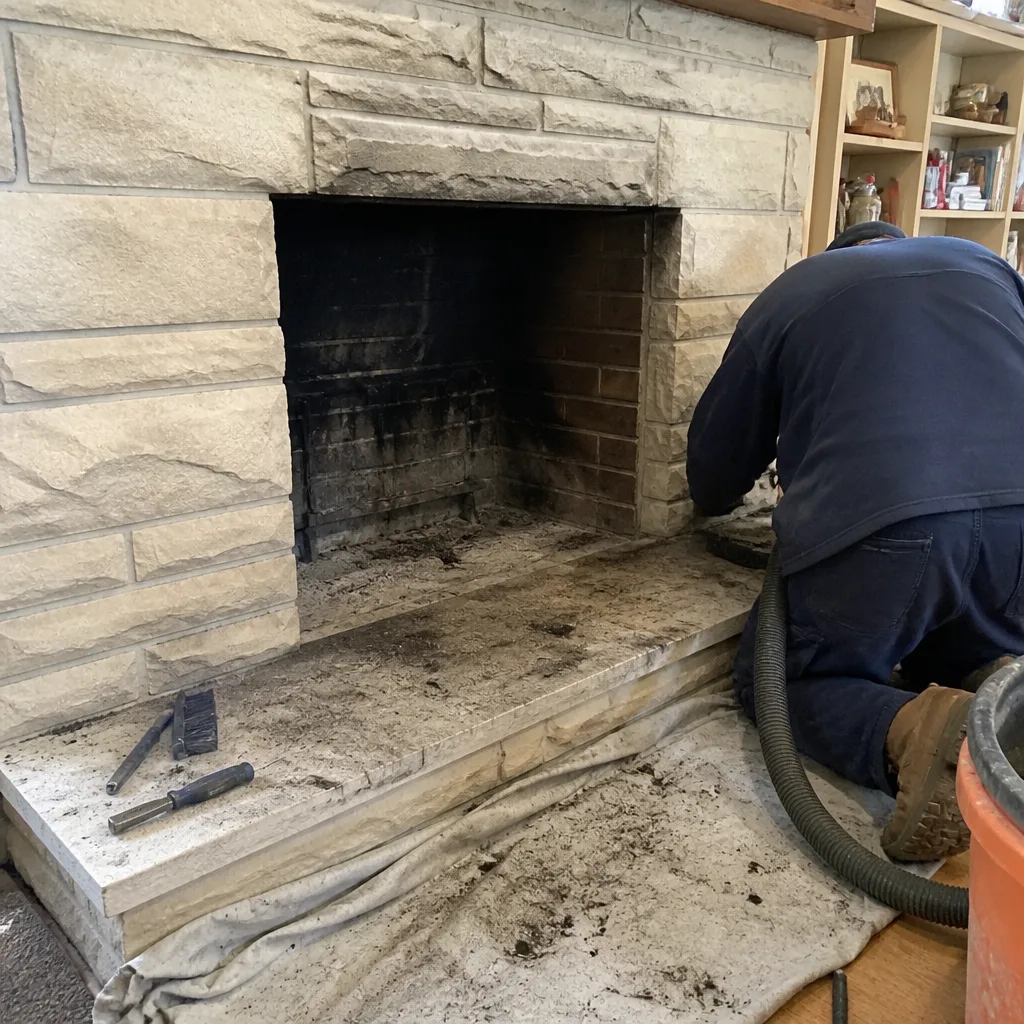 Before
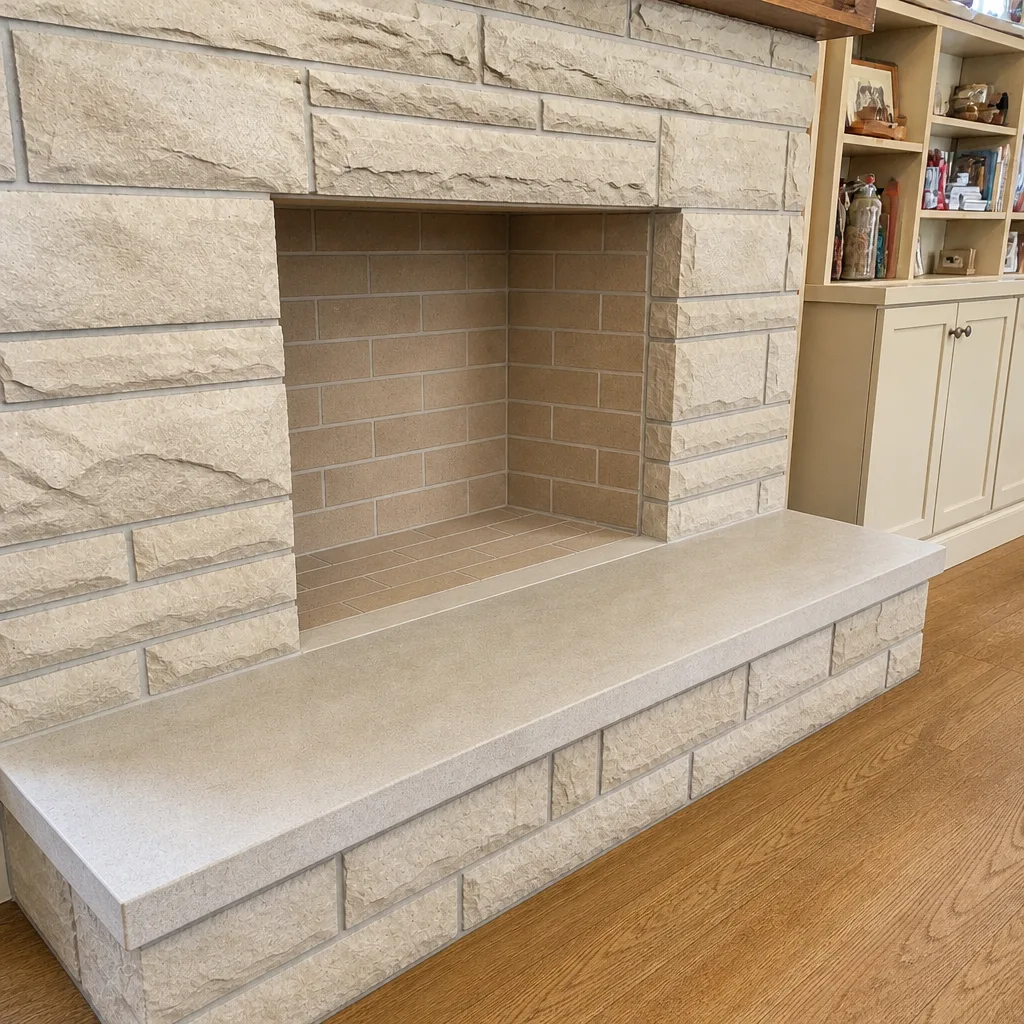 After
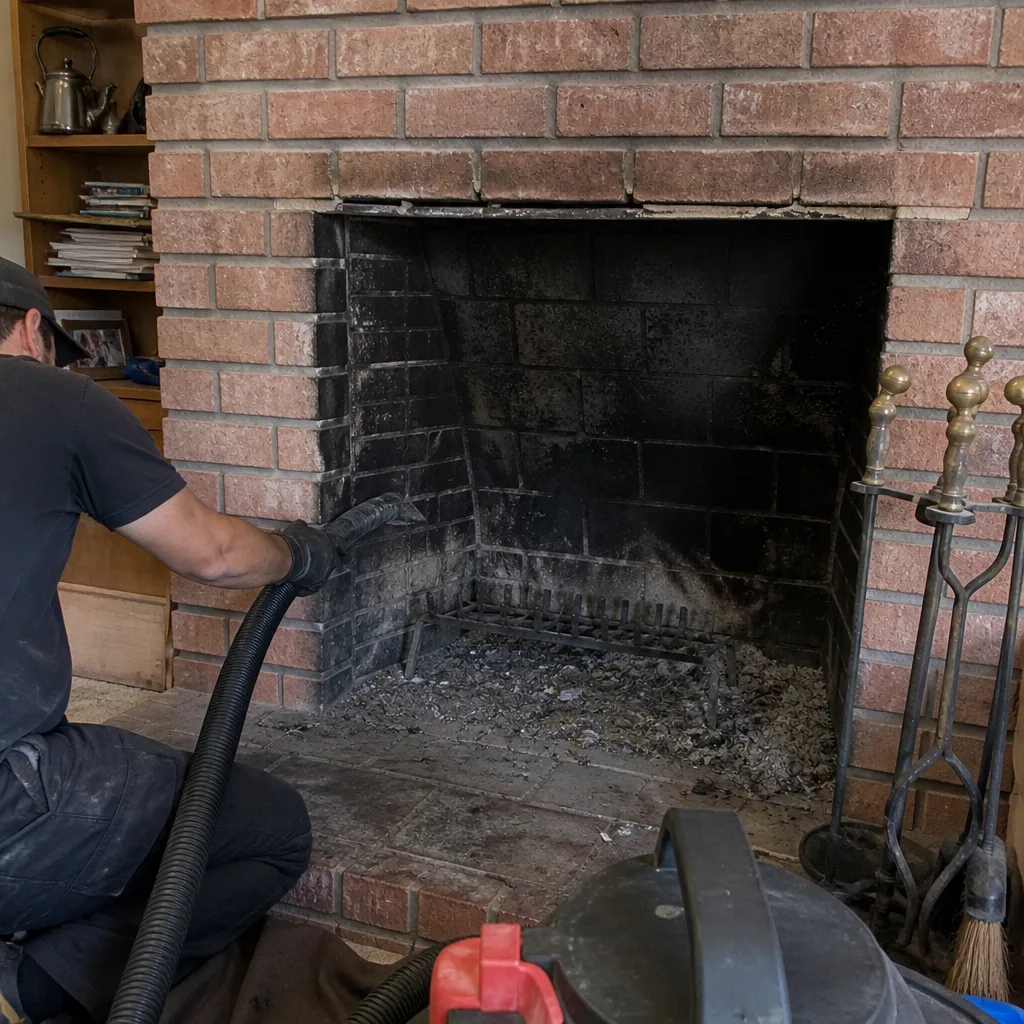 Before
 After
 Before
 After
When to Call a Professional
Call us when any of the following apply: you burn wood regularly, you’re heading into a season of heavy use, you’ve had a chimney fire or suspect one, your flue shows tarry or glazed creosote, you’re preparing to sell, you’ve just bought, or you simply haven’t had the flue inspected in more than a year. Those are the situations where the inspection is doing real work, not the sweep. Chimney Sweep Midvale offers free estimates in Midvale. Call (855) 523-1499. We answer 24/7. Fast dispatch from 7am to 7pm, Sunday through Friday. Our technicians have up to 10 years of experience, and they’ll show you what they find before recommending anything. If the flue only needs a sweep, that’s what we’ll tell you. If it needs more, you’ll see why on the camera.
Frequently Asked Questions
You can clean the parts you can see and reach, but you can’t perform the inspection that makes the cleaning meaningful. Homeowners can handle firebox debris, damper checks, and exterior visual inspection. The flue camera inspection, creosote staging assessment, and smoke chamber evaluation require professional equipment and training. In Midvale’s burn climate, where the inversion season loads the flue faster than average, the inspection is the part that keeps the system safe. Call (855) 523-1499 for a free estimate on the professional portion.
Once a year for a wood-burning fireplace in regular use, and that’s especially true in Midvale where inversion conditions speed up creosote deposit. If you burn heavily through the winter or you notice creosote buildup sooner than expected, more frequent sweeps may be warranted. The inspection at each sweep is what tells you whether the annual cadence is right for your system. Call (855) 523-1499 to book a sweep and get a real assessment of your flue.
Stage 1 is soot and light flaking that a brush can remove. Stage 2 is a crusty, tarry deposit that a brush passes over without removing. Stage 3 is glazed, hardened creosote that requires professional rotary cleaning equipment to address. In Midvale, the inversion months can push a flue from stage 1 into stage 2 in a single season, which is why a homeowner brush pass can’t substitute for a professional sweep. Call (855) 523-1499 if you’ve seen tarry or glazed deposits.
Creosote keeps accumulating, and the flue’s condition goes unassessed. The immediate risk is a chimney fire that the accumulated deposits could fuel; the slower risk is a cracked tile or failed joint that a professional inspection would have caught before it became a repair. Midvale’s burn climate makes both more likely than in cleaner-air regions. That’s why we treat the annual inspection as the baseline, not the optional add-on. Call (855) 523-1499 to get back on schedule.
A gas insert or gas log set produces far less residue than wood, so the annual sweep cadence doesn’t apply the same way. You can legitimately handle the glass cleaning and vent obstruction checks yourself. A periodic professional inspection is still worth doing, because the venting and the flue condition behind the insert still matter, and a camera pass is how that gets confirmed. Call (855) 523-1499 for a free estimate if you’re unsure what your gas system needs.
A sweep removes creosote and debris from the flue. An inspection assesses the flue’s condition, including tile integrity, joint soundness, and smoke chamber condition. They’re different tasks with different tools: a brush handles the first, a camera and trained eye handle the second. That’s the core distinction in this guide. Professional service should always include both, and if a company offers only a sweep without the inspection, you’re getting half the service. Call (855) 523-1499 for a sweep and inspection together.
The Bottom Line
The DIY chimney debate isn’t really about whether you can push a brush. It’s about what the brush can’t see. In Midvale, the inversion season means the flue loads faster than average, which makes the annual inspection the load-bearing part of chimney care. Do the firebox, the damper, and the exterior check yourself. Do them well, log what you find, and let them complement the professional visit. But treat the flue inspection as the professional’s job, because it’s the half that decides whether your chimney is actually safe. If you want to know exactly where your system stands, that’s what the inspection is for.
Ready to get your flue properly assessed? Call Chimney Sweep Midvale at (855) 523-1499 for a free estimate. We answer 24/7. Fast dispatch from 7am to 7pm, Sunday through Friday. Our technicians have up to 10 years of experience, and we carry the professional-grade equipment and materials, including HeatShield, Gelco, Olympia Chimney, and Famco, that let us handle your flue, liner, crown, and cap in one place. We’ll show you what we find, explain what it means, and let you decide with the camera footage in front of you.
Written by the team at Chimney Sweep Midvale.