
Last updated November 24, 2026
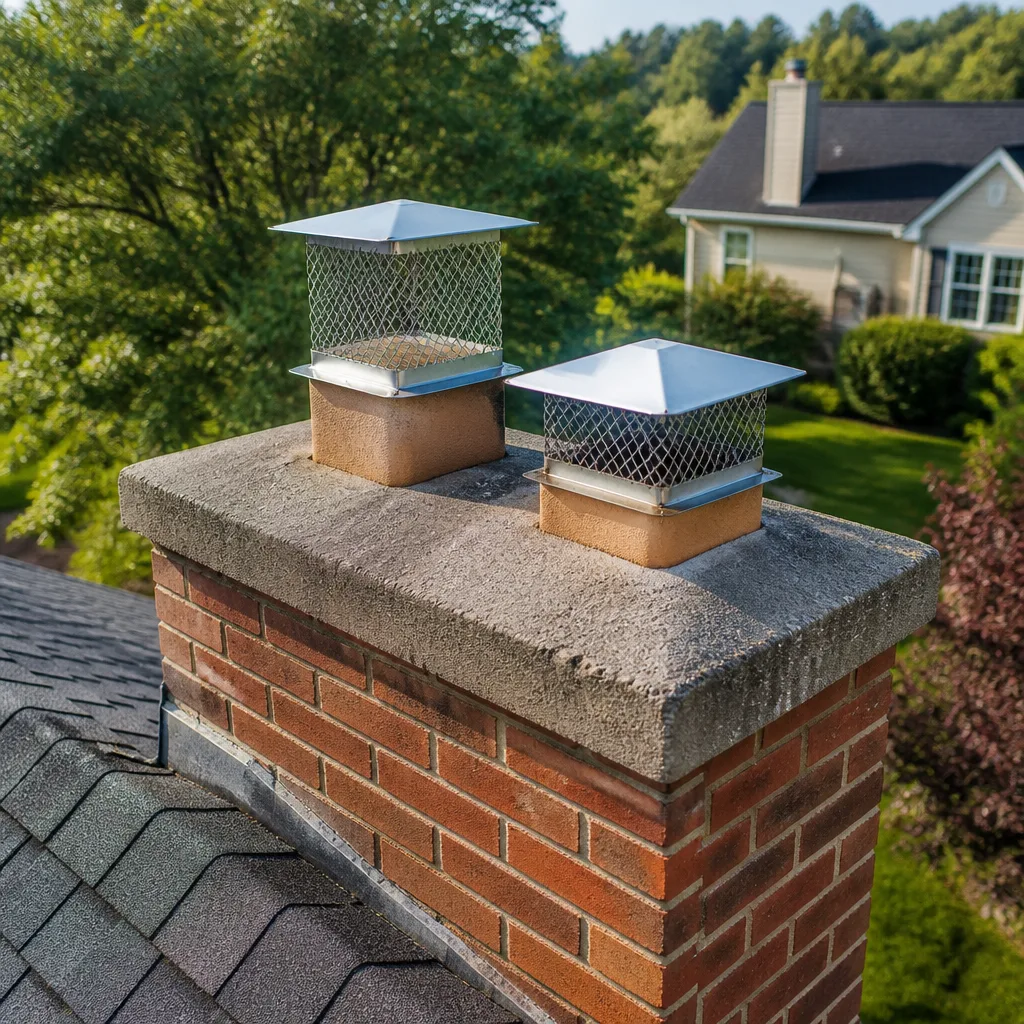 Sweep & inspection
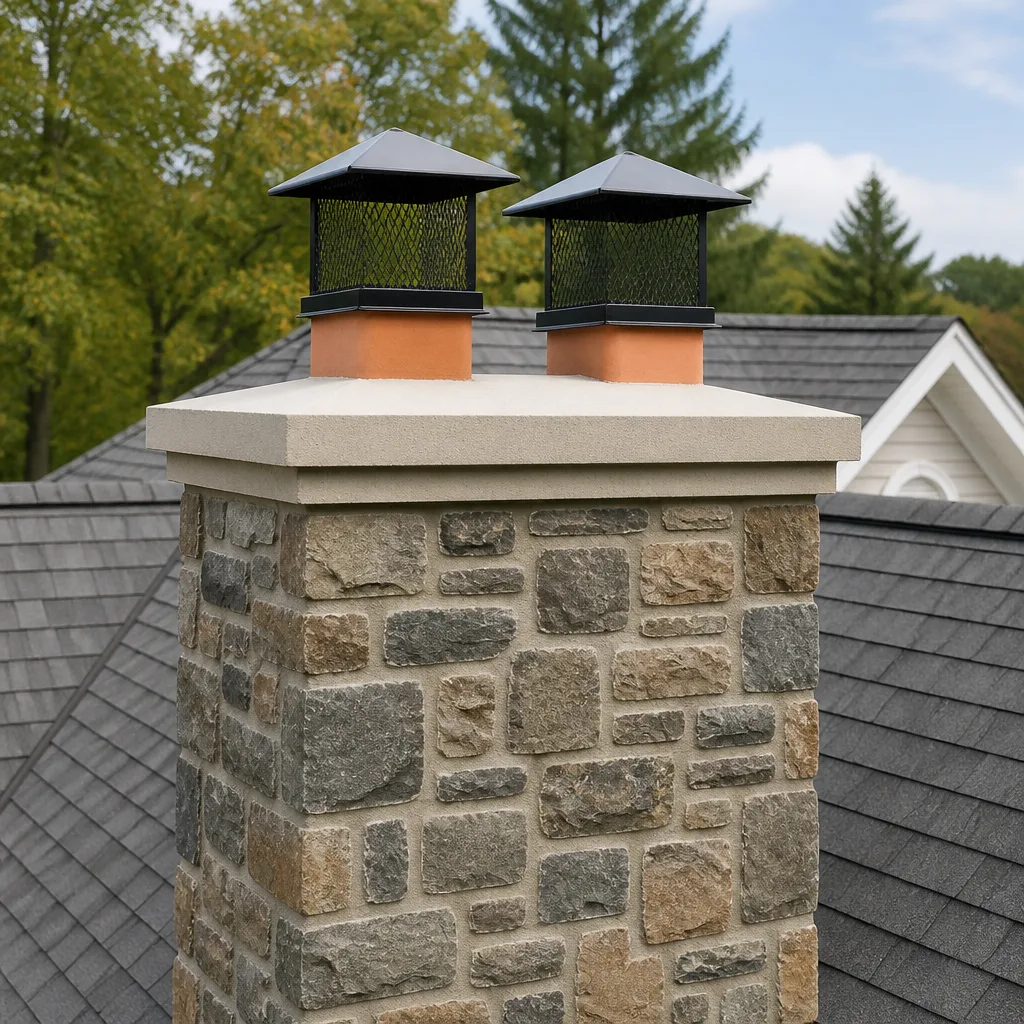 Caps & crowns
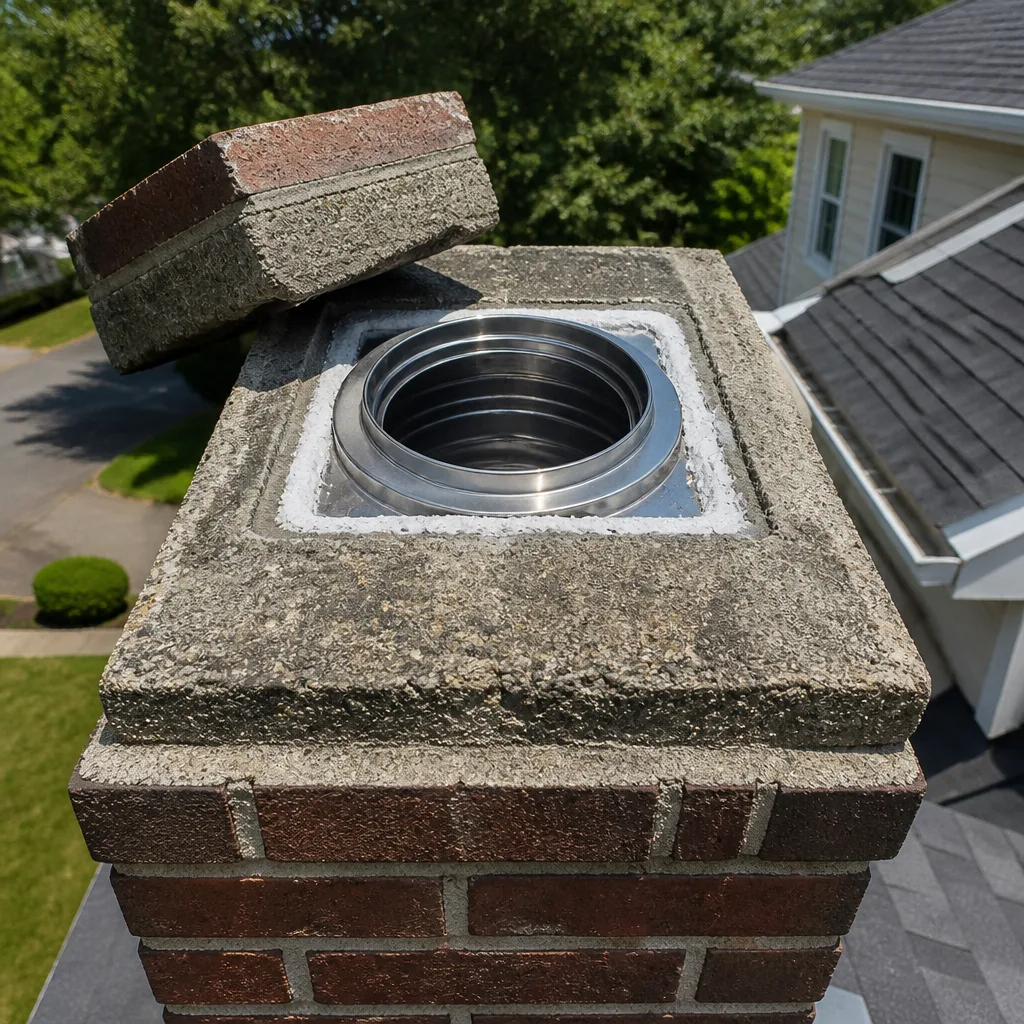 Flue relining
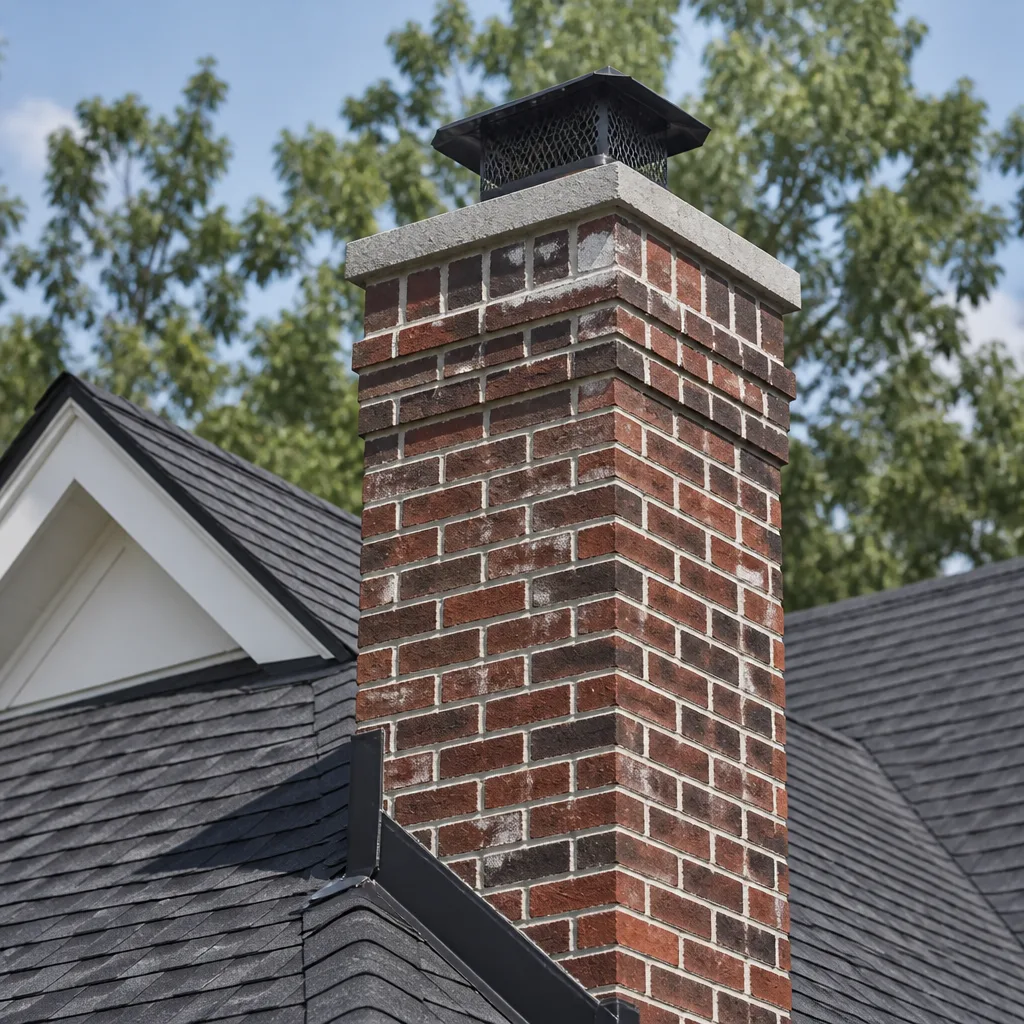 Masonry repair
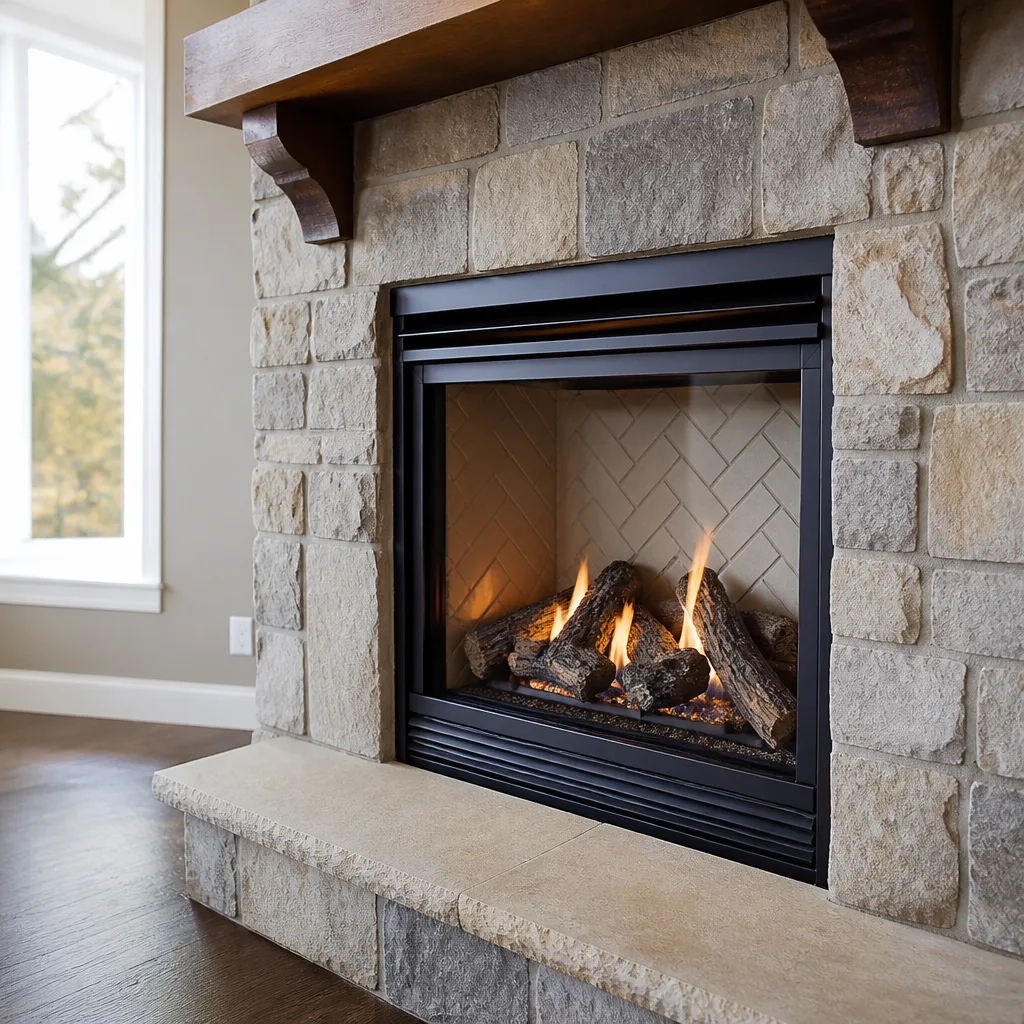 Gas fireplace service
Level 1 sweep and inspection to the NFPA 211 annual standard - flue, crown, cap, and flashing checked and photographed
Chimney sweep logs do not sweep chimneys. They loosen some creosote - which then falls where a brush and vacuum still have to collect it.
The Complete Guide to Chimney Cleaning in Midvale
Most chimney fires in Utah don’t start because a chimney was dirty. They start because it was swept and never properly inspected. A sweep clears creosote from the flue, and the homeowner sees a clean firebox and assumes the system is sound. Meanwhile a cracked flue tile or a failed mortar joint sits untouched a few feet above the damper. This guide maps every part of a real chimney cleaning in Midvale, from the firebox floor to the cap flashing, and explains what each step protects. You’ll learn how Utah’s inversion seasons and high-altitude wood burning change what your chimney goes through, what a full-system cleaning covers versus a surface sweep, and how to read a post-cleaning report so you know which follow-up work is legitimate.
Quick Answer
A full chimney cleaning in Midvale means sweeping the flue, inspecting the firebox, damper, smoke chamber, crown, and cap, and documenting what the camera and the eye find. It’s more than knocking soot loose: it’s a system check across the entire chimney, from the fire you build to the flashing on your roof.
Styles & brands we work with
- Sweep & inspection
- Caps & crowns
- Flue relining
- Masonry repair
- Gas fireplace service
Table of Contents
- Why a Full-System Cleaning Beats a Surface Sweep
- How Utah’s Inversion Season Changes Your Creosote
- Altitude, Wood Species, and Creosote on the Wasatch Front
- What Level 1 and Level 2 Inspections Mean for You
- Chimney Conditions Common in Midvale’s Housing Stock
- How to Read a Post-Cleaning Report
- How Often Should a Midvale Chimney Be Cleaned?
- What Chimney Cleaning Costs in Midvale
Why a Full-System Cleaning Beats a Surface Sweep
A full-system cleaning treats the chimney as one connected assembly. Soot removal is only the visible part. The work that matters happens along the whole path the smoke travels and out past the roof. Here’s the difference in practical terms.
What a surface sweep covers
- Brushing loose soot and creosote from the accessible flue
- A quick look down from the top and up from the firebox
- A shop-vac pass on the firebox floor and hearth
What a full-system cleaning covers
- Flue brushing sized to the actual liner diameter, not a one-size brush
- A camera inspection of the flue interior, with photos you keep
- Firebox, damper, and smoke chamber checks for gaps, cracks, and rust-through
- Crown and cap inspection, including flashing and the mortar at the top of the stack
- A written report flagging any issue by location and severity
The distinction matters most in Utah, where homes burn hard through the cold months and then sit idle in summer. Creosote that builds during a heavy burn season doesn’t just sit there. It glazes, hardens, and can pull apart the flue tile joints it coats. A surface sweep removes what’s reachable. A full-system cleaning catches the glazed and hidden creosote that brushing alone leaves behind.
For homeowners who want the sweep itself explained end to end, our chimney sweep page walks through what we do on a standard visit. If a cleaning turns up something that needs repair, that’s a separate conversation, and we explain what we find and why it matters before recommending anything.
How Utah’s Inversion Season Changes Your Creosote
Midvale sits in the Salt Lake Valley, and like the rest of the valley it spends part of each winter under an inversion. Cold air settles, warm air traps it, and the smoke from every wood-burning fireplace in the neighborhood hangs low. That inversion matters for your chimney in two ways, and neither one is about air quality headlines.
First, inversion days usually mean still air and cold temperatures. People burn longer and hotter, or they damper down to stretch the wood supply. A dampered fire smolders, and a smoldering fire produces far more creosote than a hot, clean one. During a sustained inversion, a Midvale chimney can accumulate in a few weeks what it might otherwise build over a couple of months.
Second, the still, cold air means a weaker draft. A weak draft pushes smoke more slowly up the flue, giving creosote more time to condense on the cool tile walls near the top. Chimneys on the valley floor, where the cold settles deepest, tend to hold that condensation longer.
What this means for timing
- Clean before burning season, not during it, so you start with a clear flue
- If you burn every day through the coldest stretch, have the flue checked again at the end of the season
- A chimney that smells smoky on still days is telling you the draft is weak and the creosote layer is thick
We see the pattern every year in Midvale. A chimney that was cleaned in October can be coated in glossy creosote by February if the winter is a hard one. That’s not a reason to panic, but it is a reason to schedule the cleaning before the first cold snap rather than after.
Altitude, Wood Species, and Creosote on the Wasatch Front
Midvale sits above 4,000 feet, and altitude changes how wood burns. Thinner air means less oxygen per cubic foot, and a fire that’s starved of oxygen burns cooler and dirtier. Homeowners compensate by opening the damper wider or by burning softer wood, and both choices affect what ends up on the flue wall.
The wood species common on the Wasatch Front matter too. Hardwoods like oak and maple burn hot and clean when dry, but they can be hard to source locally. Many Midvale households burn what’s easy to get: pine, fir, and other softwoods. Softwoods burn fast and hot, which sounds good, but they also release more resin and produce faster creosote buildup than seasoned hardwood.
The creosote math in practical terms
Creosote accumulates in three stages. In the first stage it’s a flaky, easy-to-brush layer. In the second it becomes crunchy and tar-like. In the third it glazes into a hard, shiny shell that a standard brush won’t remove. That third stage is the fire risk, and it’s the one that builds fastest with poorly seasoned softwood.
- Wet wood is the big culprit. Wood needs to season six months to a year before it burns clean.
- Softwood builds creosote faster than hardwood, so softwood burners need more frequent sweeps.
- Altitude reduces oxygen, so a fire that looks healthy at sea level can be running cool and smoky at Midvale’s elevation.
We use professional-grade materials because creosote removal and prevention both depend on the right tools and the right liner system. A DuraFlex liner, for instance, is a flexible steel liner designed for flues that need re-lining without tearing out masonry. It’s the kind of solution that addresses the cause rather than brushing the symptom. Our Chimney Sweep Midvale home page covers the full range of work we handle, from cleaning to re-lining.
What Level 1 and Level 2 Inspections Mean for You
A chimney inspection is not the same thing as a cleaning, and the two get confused constantly. The cleaning removes what’s in the flue. The inspection evaluates whether the flue and the rest of the chimney are sound. The inspection comes in levels, and knowing which one you need tells you what you’re paying for.
Level 1 inspection
This is the basic annual inspection. It covers the readily accessible parts of the chimney and venting system: the firebox, damper, smoke chamber, and the visible portion of the flue. It’s the right choice when your setup hasn’t changed and you haven’t had any problems. It’s typically done alongside a routine cleaning.
Level 2 inspection
A Level 2 inspection adds a camera scan of the flue interior and a check of accessible attic and crawlspace areas. It’s the standard you want if you’ve changed fuels, changed the appliance, had a chimney fire, or bought the home. In Utah’s older housing stock, a Level 2 inspection is often the one that catches the problems a visual look would miss: cracked flue tiles, offset joints, or a liner that’s been compromised by a prior fire.
Level 3 inspection
A Level 3 inspection goes further and may involve opening walls or removing parts of the chimney to access concealed areas. It’s reserved for specific suspected hazards and isn’t part of routine cleaning.
For Midvale homeowners, the decision usually comes down to Level 1 versus Level 2. If you’ve been in your home for years and burn every winter, a Level 2 on a periodic basis is worth the extra step. It’s the inspection that tells you whether the flue you’re cleaning is actually intact.
Chimney Conditions Common in Midvale’s Housing Stock
Midvale’s neighborhoods cover a wide span of construction. The older blocks have homes from the 1940s and 1950s, while the newer subdivisions were built through the 1960s to the 1990s. Each era brings its own chimney conditions, and knowing what to expect helps you ask the right questions.
1960s to 1980s brick chimneys
This is the biggest chunk of Midvale’s housing. Brick chimneys from this period often have unlined flues or a single clay tile liner that has aged. Mortar joints in the firebox erode with heat cycles, and the crown at the top of the stack cracks as it expands and contracts through Utah’s freeze-thaw cycles. A cracked crown lets water into the masonry, and water is what turns a small crack into a long-term repair.
1990s construction
Homes built through the 1990s often have better-lined flues, but the caps and crowns from that era can be nearing the end of their service life. A chimney cap that’s rusted through or missing lets water, birds, and debris in. The cap is the top of the system and the first line of defense against water intrusion. Our cap and crown service exists for exactly this reason.
What to check on any Midvale chimney
- The crown: look for cracks, spalling, or a crown that’s pulling away from the stack
- The cap: check for rust, missing screens, or a cap that’s come loose
- The flashing: the metal that seals the roof line should be tight and free of lifted edges
- The firebox mortar: eroded joints let heat reach the brick behind
- The damper: should open, close, and seal cleanly
These are the conditions we look at on every visit. When a repair is warranted, we use contractor-grade materials: HeatShield for resurfacing a damaged liner without replacing it, or Famco and Gelco components for other applications. Not every problem needs a full rebuild, and part of our job is telling you when it can wait.
How to Read a Post-Cleaning Report
After a cleaning and inspection, you should get a written report. A good one is specific. It tells you what was found, where it was found, and how serious it is. Here’s how to read it so you can separate legitimate follow-up work from a pushy upsell.
What a legitimate report includes
- The date and what was done (sweep, inspection level, camera scan)
- Photos of the flue interior, including any cracks or problem areas
- A description of the flue type and liner condition
- Findings listed by location, from firebox to cap
- Recommendations that clearly tie back to a specific finding
What should raise a question
- A recommendation with no photo or stated reason behind it
- Liner replacement recommended when the flue hasn’t been camera-inspected
- Pressure to decide on the spot
- A blanket recommendation for every chimney, regardless of condition
We explain what we find and why it matters, and we let you see the evidence yourself. If the report shows a hairline crack and nothing else, that’s a monitor-it situation, and we’ll say so. If it shows a glazed flue or a failed liner joint, that’s a real problem and worth fixing before the next burn season. The point is that you should never be told you need thousands of dollars of work you can’t verify. Nothing gets recommended here without evidence you can look at.
How Often Should a Midvale Chimney Be Cleaned?
Once a year is the standard starting point, and for many Midvale homes that’s right. But the honest answer depends on how much you burn and what you burn. A household that lights a fire a few times a month has different needs than one that heats with wood through the winter.
Use this as a starting schedule
- Burn a few times a month: annual cleaning and Level 1 inspection
- Burn several times a week through winter: annual cleaning, and consider a mid-season flue check
- Burn daily or heat with wood: inspect at the start and end of the burn season
- Any chimney fire, even a small one: Level 2 inspection before you use it again
- New to you home: Level 2 inspection before the first burn
Those last two matter more than people expect. A chimney fire that you didn’t notice can still crack a flue tile, and a home you just bought carries an unknown history. In both cases the flue looks clean and the liner isn’t intact. That’s how the misconception from the start of this guide happens: a clean chimney with a hidden problem.
If you’re wondering whether your specific Midvale setup is due, call and describe it. We’ll tell you what makes sense. We answer 24/7. Fast dispatch from 7am to 7pm, Sunday through Friday.
What Chimney Cleaning Costs in Midvale
Chimney work is priced per job by a written estimate, and that’s the only number that’s final. What we can give you is the shape of a typical estimate, so you know what you’re budgeting for before anyone shows up.
- Standard sweep and Level 1 inspection: a base cost that varies with flue length, access, and how much buildup is present
- Level 2 inspection with camera scan: adds to the sweep because it’s more thorough and includes photos
- Cap and crown work: priced by the size, material, and condition of the stack
- Liner repair or re-lining: a larger job, priced after the flue has been inspected and measured
We won’t give you a one-size-fits-all number over the phone, because the honest price depends on what’s actually in your chimney. What we will do is give you a flat estimate in writing before any work starts, so there are no surprises when the job is done. The estimate is free. Call (855) 523-1499 to schedule one.
Common Mistakes to Avoid
- Skipping the inspection because the sweep was done. A clean flue can still have cracked tiles or failed joints. The inspection is what catches those, and it’s the part that matters most.
- Burning wet or green wood because it’s what’s available. Softwood that hasn’t seasoned is the fastest route to heavy creosote, especially in a Midvale winter where burning season is long.
- Ignoring the crown and cap until water shows up inside. By the time you see a stain on the ceiling, the water has been working through the masonry for a while. Check the top of the chimney as part of every cleaning.
- Letting a “handyman” handle a flue problem. Liner repair and re-lining are a skilled trade. HeatShield resurfacing and DuraFlex liner work are specialist capabilities, not general repair tasks.
- Assuming a camera scan is optional. In a home from the 1960s or 1970s with an older liner, a visual look from the firebox doesn’t tell you what’s happening inside the flue. The camera does.
- Treating the chimney as a one-time job. It’s a system with moving parts, heat cycles, and weather exposure. It needs attention every year, not every decade.
- Waiting until the first cold snap to call. Schedule before burn season starts. That way the flue is ready when you need it and you’re not scrambling once the weather turns.
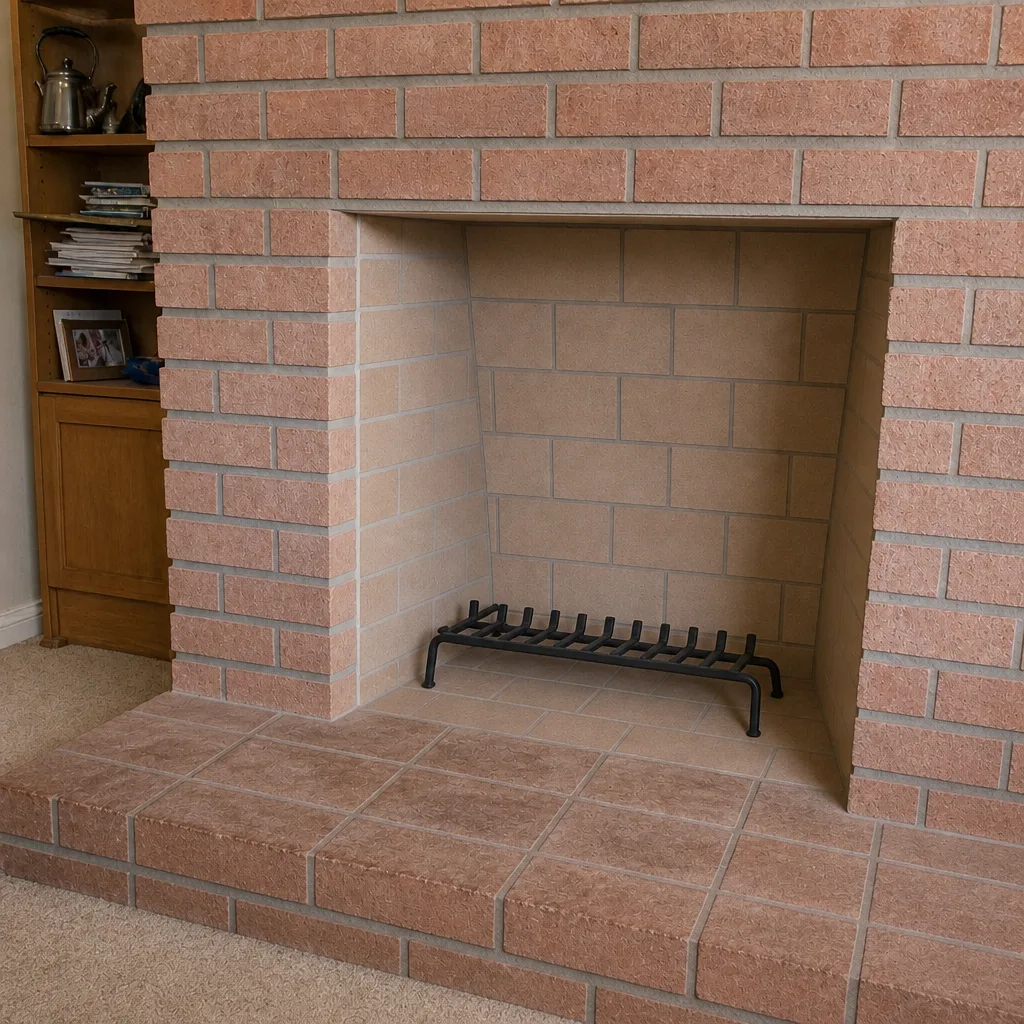
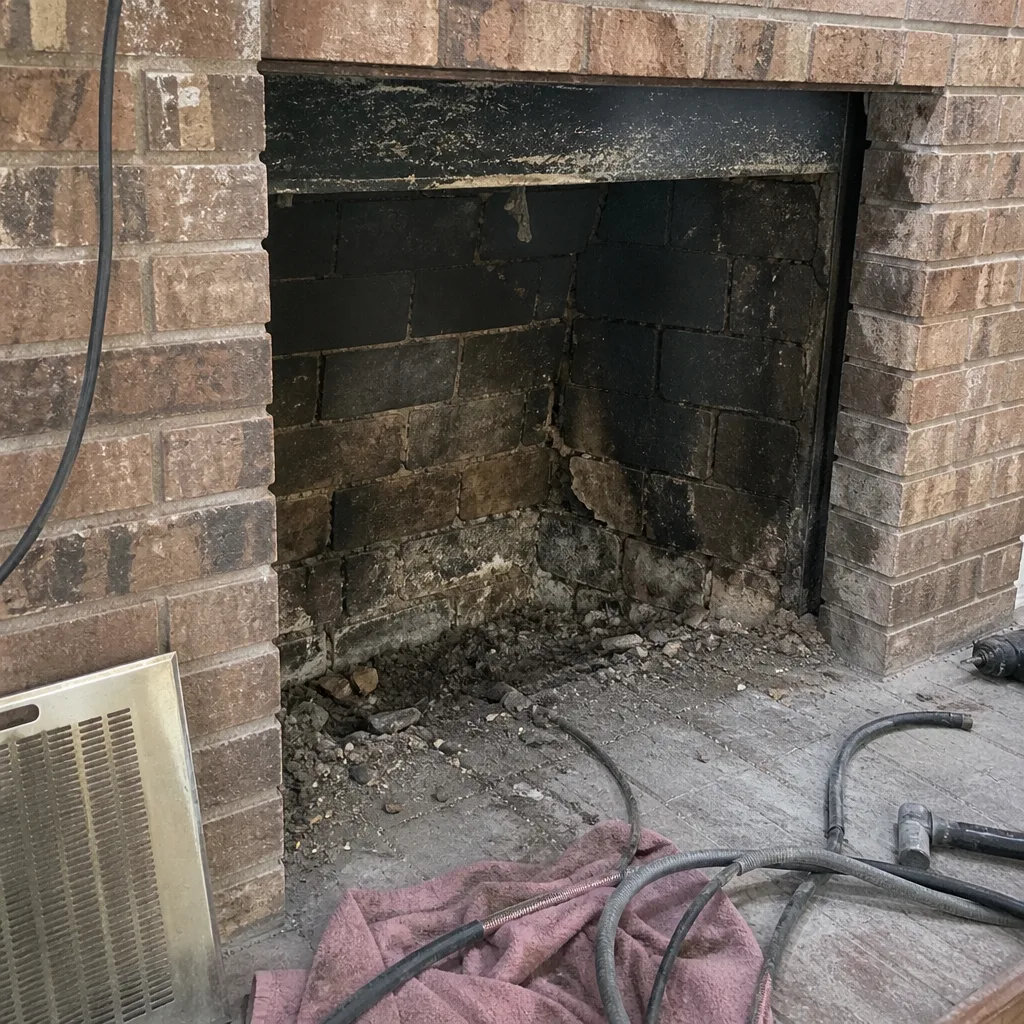
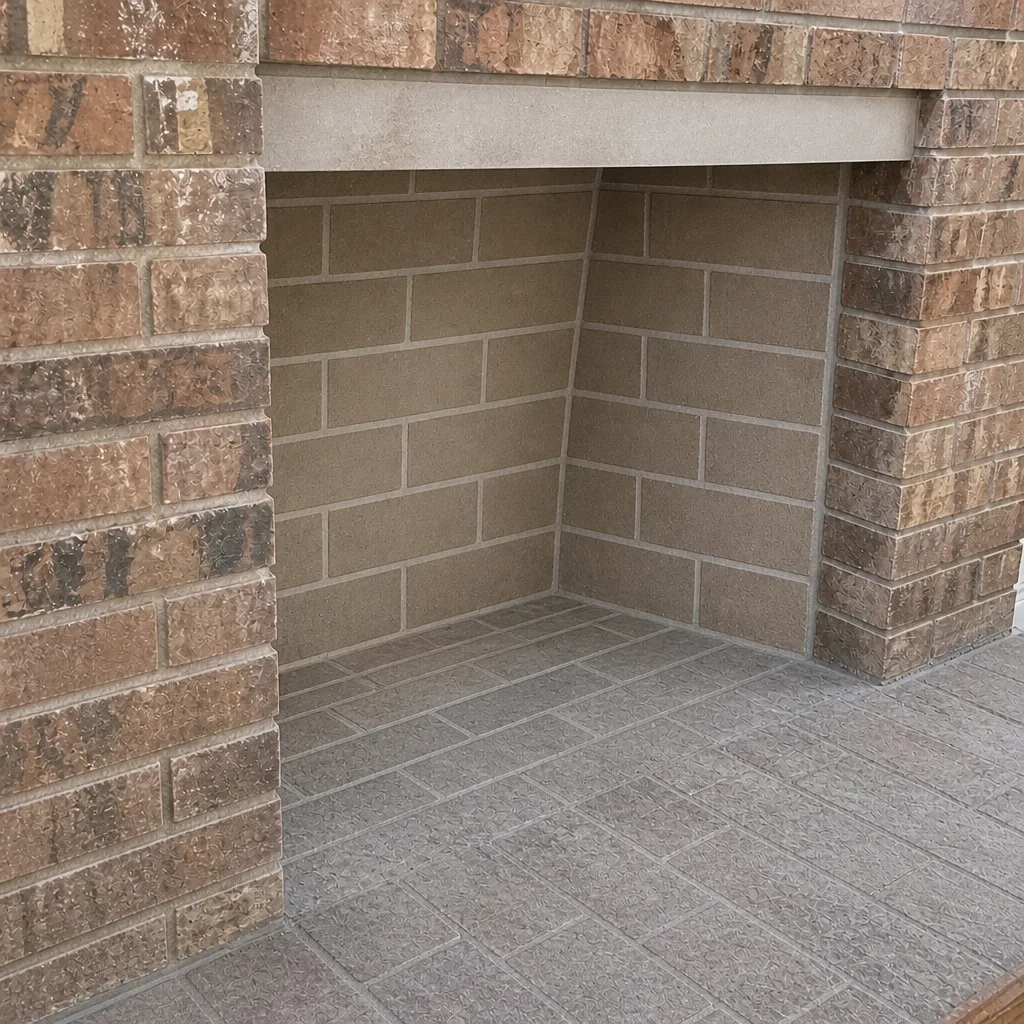
See the difference
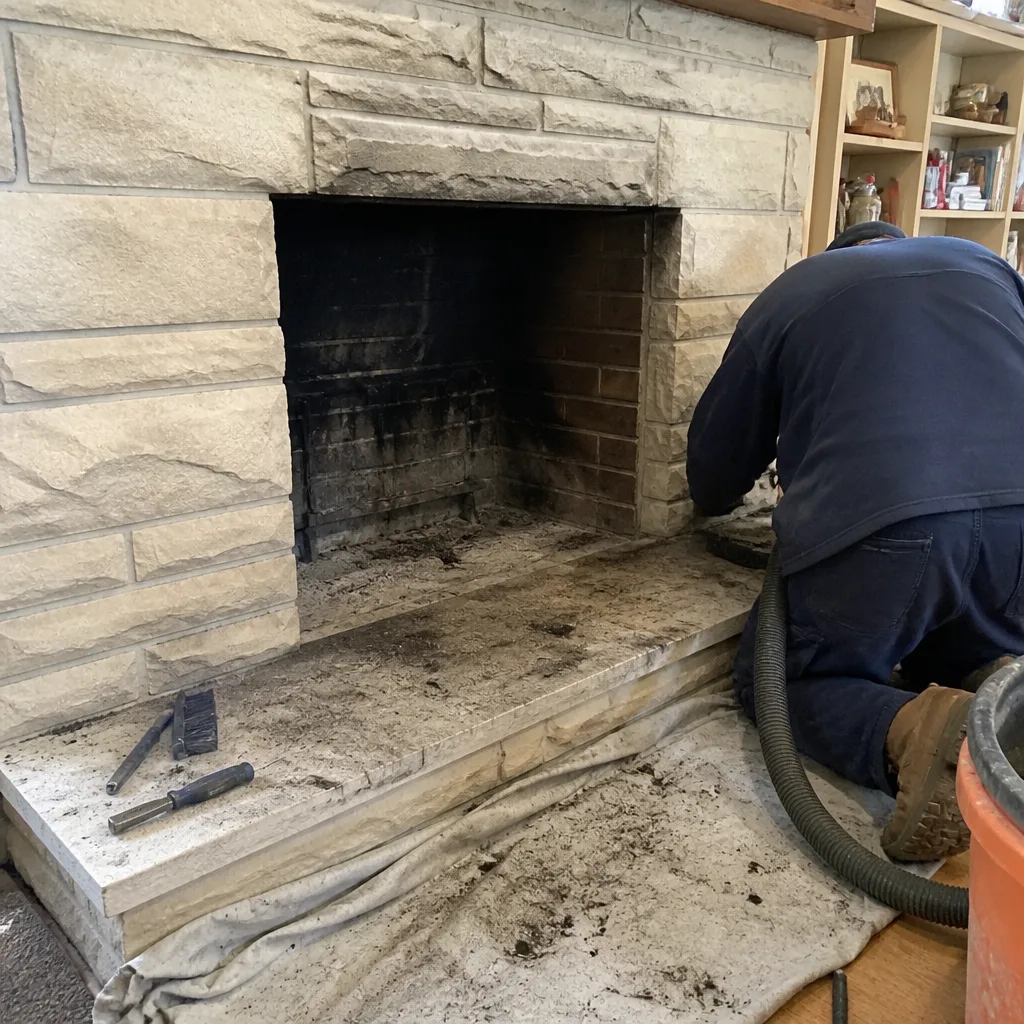 Before
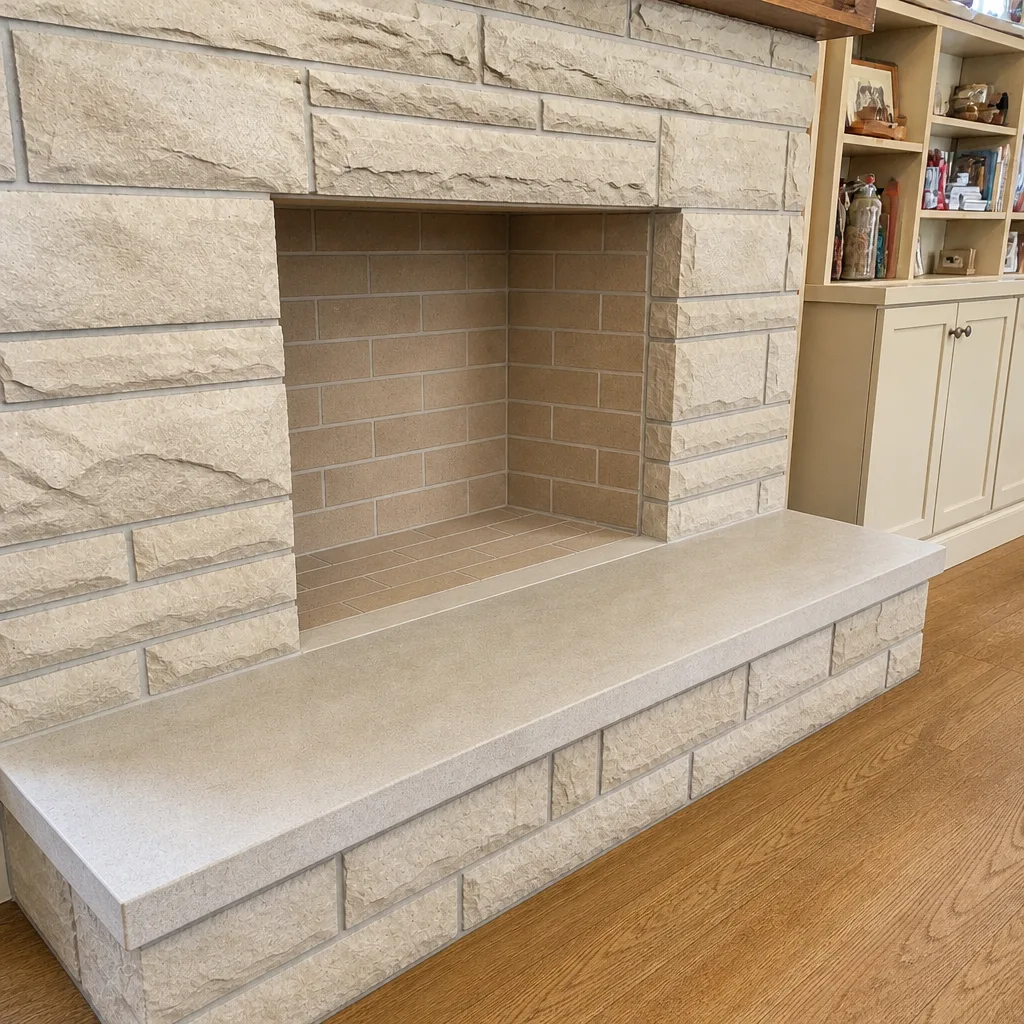 After
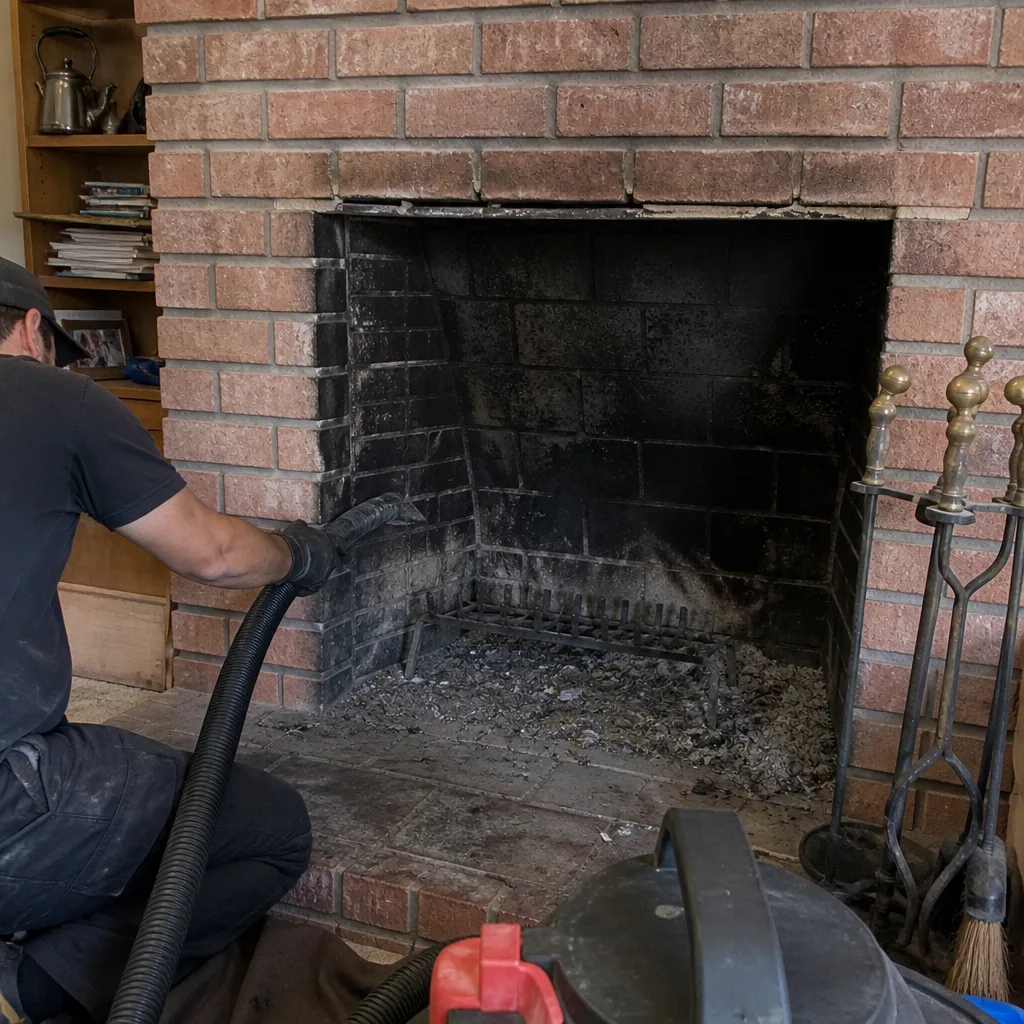 Before
 After
 Before
 After
When to Call a Professional
Some chimney work is a cleaning. Some is a repair. Knowing which is which keeps you from paying for the wrong thing, and it keeps you from ignoring a problem that needs a trained eye. Call a professional if you’ve had a chimney fire of any size, if smoke backs into the room when you light a fire, if you smell a strong smoky odor on still days, or if you can see cracks, missing mortar, or a loose cap at the top of the stack. Call before your first burn of the season if the chimney hasn’t been serviced in the past year, and call before you buy a home with a fireplace you intend to use.
Chimney Sweep Midvale offers free estimates in Midvale. Call (855) 523-1499. We answer 24/7. Fast dispatch from 7am to 7pm, Sunday through Friday. Our technicians have up to 10 years of experience, and we work with the same professional-grade brands specified by certified chimney professionals: DuraFlex, HeatShield, Gelco, Olympia Chimney, Famco, and Copperfield.
Frequently Asked Questions
The price is set per job by a written estimate, and it depends on flue length, access, and how much creosote is present. A standard sweep and inspection is the base cost, and a Level 2 inspection with camera adds to it. Call (855) 523-1499 for a free estimate.
Once a year is the baseline for most homes, with a mid-season check if you burn several times a week. Households that heat with wood should inspect at the start and end of the burn season. Call us if you’re unsure where your chimney falls.
Not always. A liner only needs replacement if it’s damaged, cracked, or undersized, and we don’t recommend one without a camera inspection to back it up. Sometimes HeatShield resurfacing repairs a liner that would otherwise need full replacement. Call for an inspection and we’ll show you what we find.
Creosote builds up in layers, and in its glazed stage it’s a real fire risk. A fire in a glazed flue can crack tiles and reach the structure. Skipping the inspection also means a cracked liner or failed joint can go unnoticed while the chimney looks clean. Call (855) 523-1499 to schedule a cleaning and inspection.
A sweep removes soot and creosote from the flue. An inspection evaluates the condition of the entire chimney, from firebox to cap. The two are done together on most visits, and the inspection is what catches problems the cleaning can’t fix.
Altitude, softwood, and wet wood are the main reasons, and inversion-season burning that dampered-down fires add to it. The thinner air at Midvale’s elevation means fires run cooler, and cool fires deposit more creosote. Properly seasoned wood and a clean flue make the biggest difference.
The Bottom Line
A proper chimney cleaning in Midvale covers more than the firebox. It’s a sweep of the flue, a camera inspection, and a check of the crown, cap, flashing, damper, and smoke chamber, all documented in a report you can read and understand. The inversion season, Midvale’s altitude, and the softwood a lot of households burn make creosote build faster here than in milder climates, which is why the annual cleaning and inspection matter. The right follow-up work is the work the evidence supports. Nothing more, and nothing less. If you want that kind of full-system care, we’re here to help. Call (855) 523-1499 for a free estimate.
Written by the team at Chimney Sweep Midvale.