
Last updated November 24, 2026
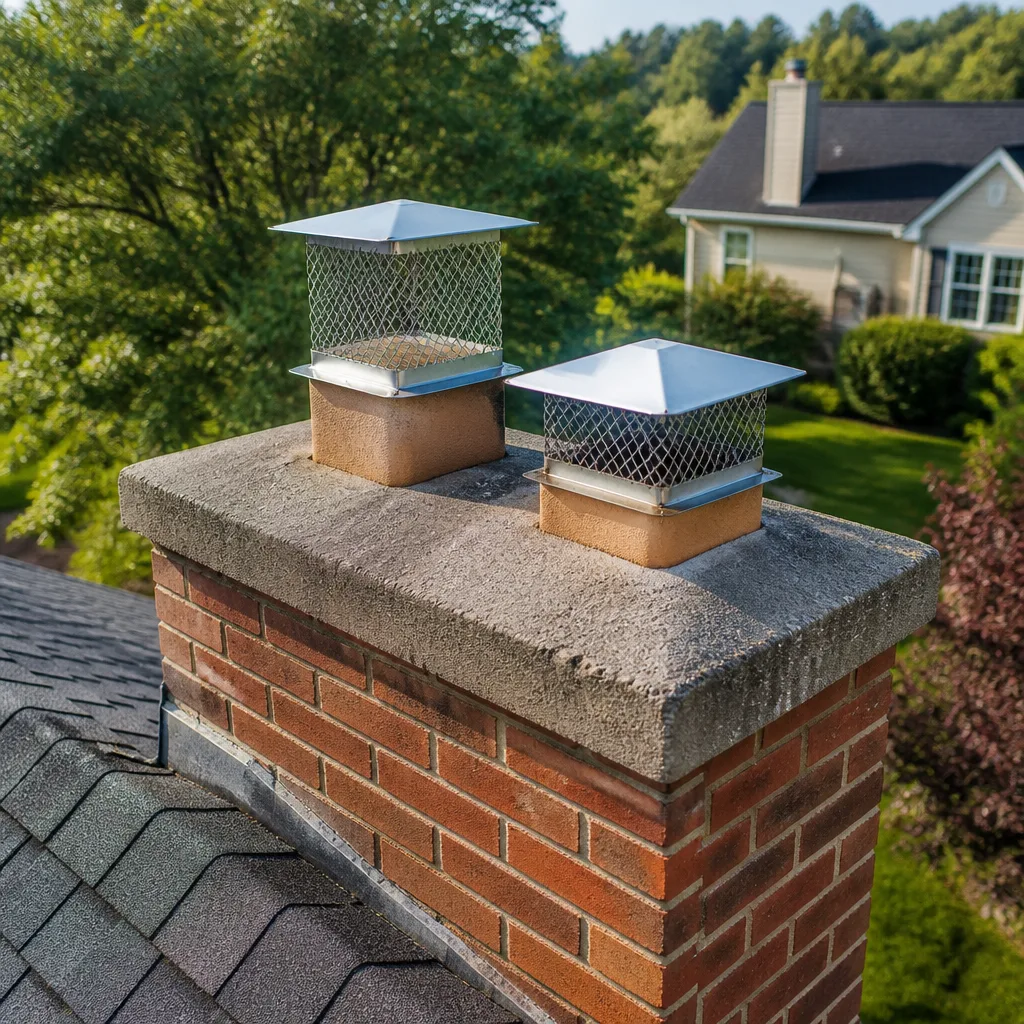 Sweep & inspection
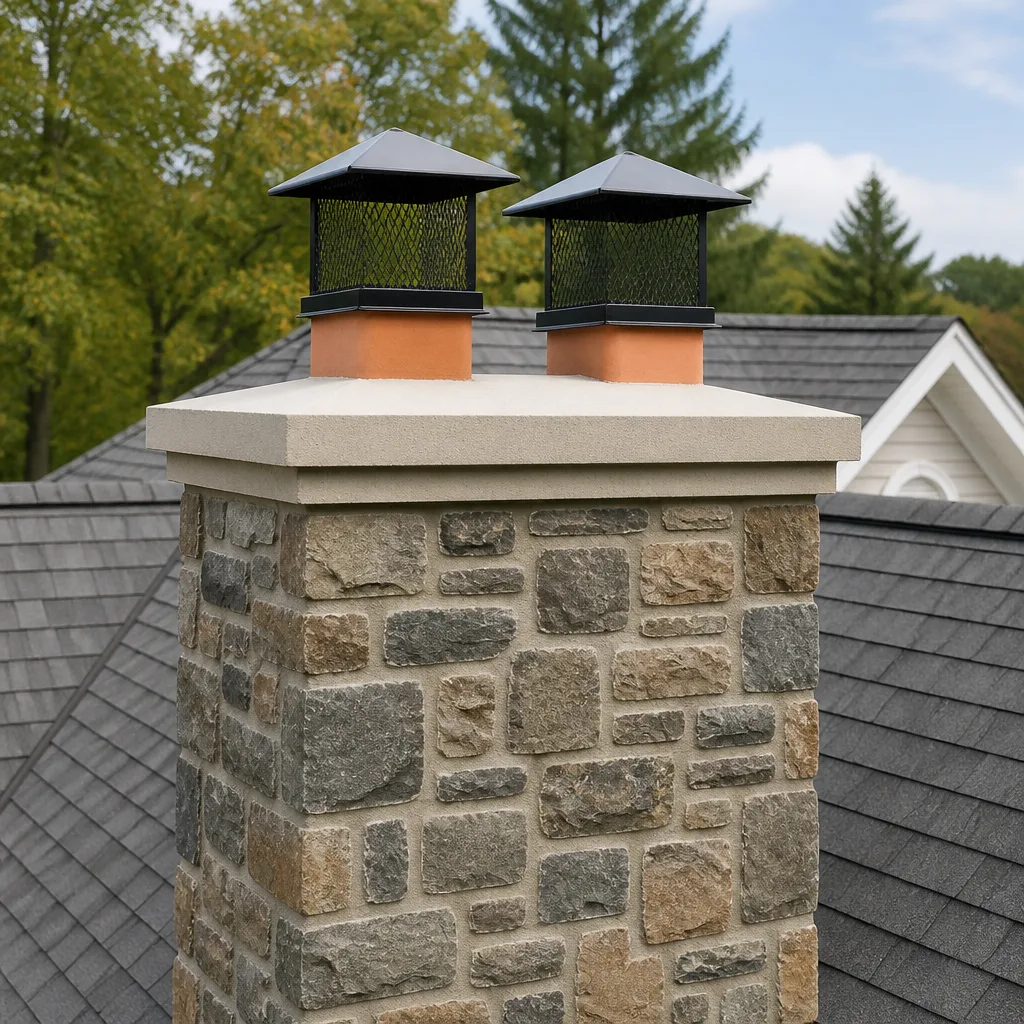 Caps & crowns
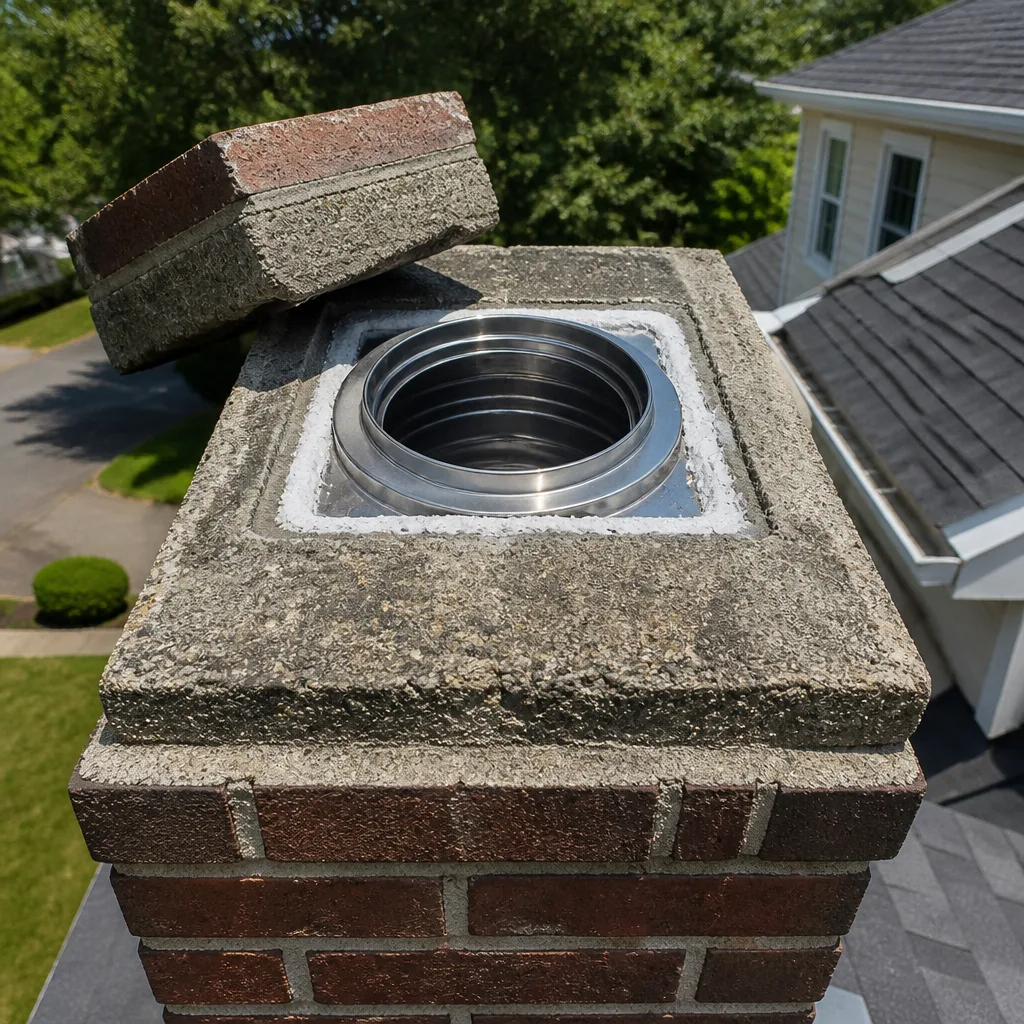 Flue relining
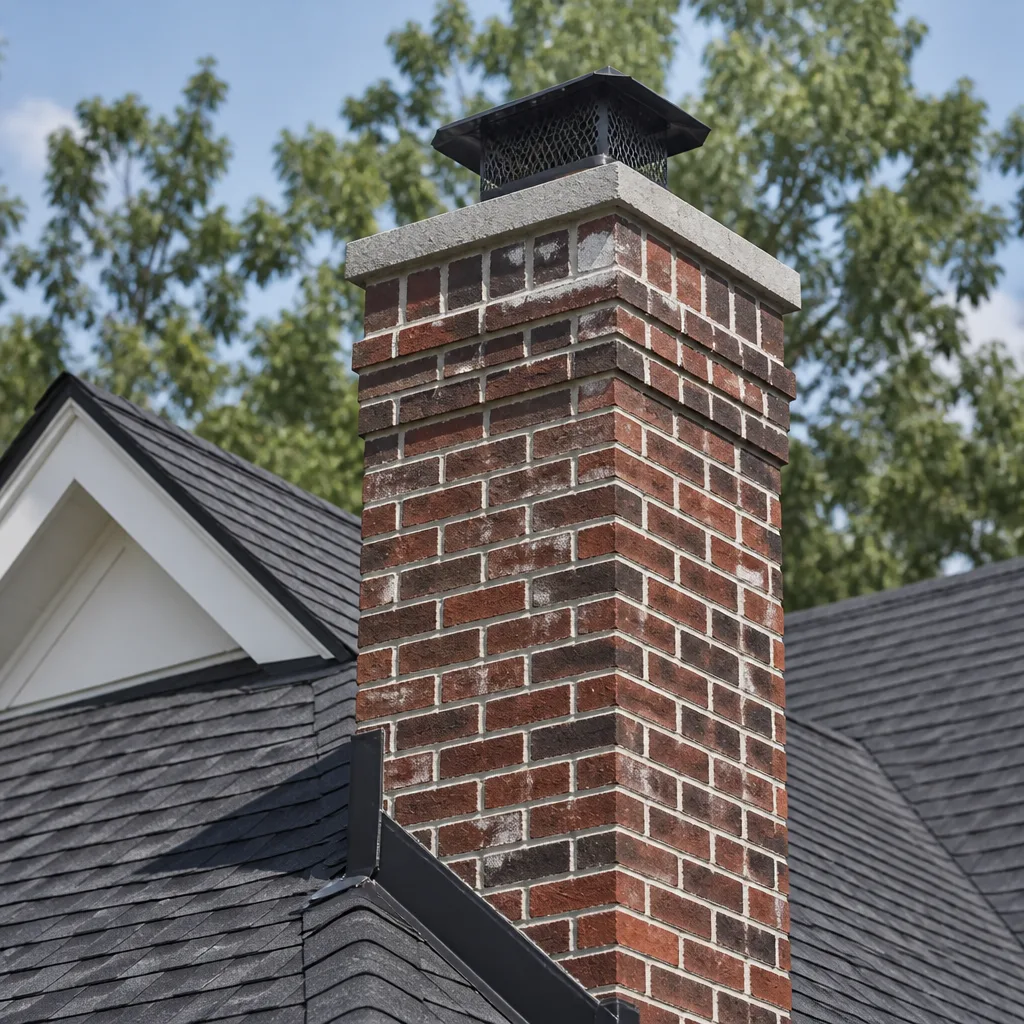 Masonry repair
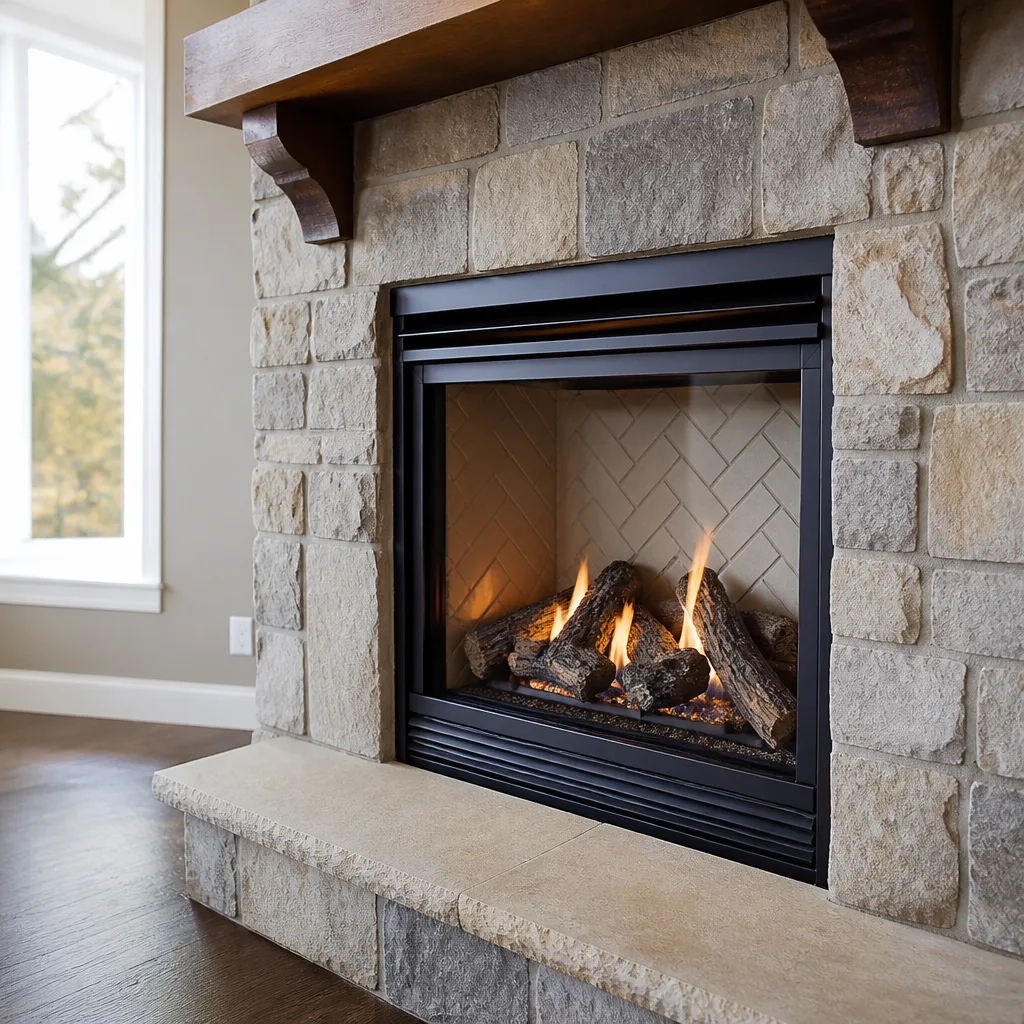 Gas fireplace service
Level 1 sweep and inspection to the NFPA 211 annual standard - flue, crown, cap, and flashing checked and photographed
Chimney sweep logs do not sweep chimneys. They loosen some creosote - which then falls where a brush and vacuum still have to collect it.
Chimney Cleaning Permits, Codes & Inspections in Midvale, UT: What You Need to Know
A chimney liner replacement done without a Midvale building permit doesn’t only break the rules. It can leave your homeowner’s insurance with a clean reason to deny a fire-related claim tied to that appliance. That’s the part most homeowners never hear until it matters. Sweeping and basic maintenance are a different category altogether, and the line between the two gets blurry fast. This guide draws that line clearly. We’ll walk through which work in Midvale needs a permit and which doesn’t, how the International Residential Code (IRC) applies to chimney repairs, the difference between an inspection report and a code-compliance review, and what to do if you’ve inherited unpermitted work from a previous owner. It’s the reference we wish every Midvale homeowner had before they hire anyone.
Quick Answer
A routine chimney sweep in Midvale does not require a building permit. Anything beyond cleaning and minor maintenance, such as a liner replacement, flue resizing, structural repair to the chimney or crown, or a new appliance installation, generally does require a permit from the city or Salt Lake County building department. A proper inspection, ideally one performed by a CSIA-certified professional, tells you which category your job falls into before anyone picks up a tool.
Styles & brands we work with
- Sweep & inspection
- Caps & crowns
- Flue relining
- Masonry repair
- Gas fireplace service
Table of Contents
- Which Chimney Work Needs a Midvale Permit, and Which Is Just Maintenance
- How the IRC Applies to Chimney Repairs in Utah
- CSIA Inspection Report vs. Code-Compliance Inspection: When You Need Both
- How Unpermitted Chimney Work Affects Insurance and Real Estate
- What to Do If You’ve Inherited Unpermitted Chimney Work
- What a Code-Compliant Chimney Inspection Looks Like, Step by Step
- Why Midvale’s Seasons Put Extra Pressure on Your Chimney
- The Midvale Permitting Process, Start to Finish
Which Chimney Work Needs a Midvale Permit, and Which Is Just Maintenance
The simplest way to think about it is this: cleaning and inspecting are maintenance, and anything that changes the structure or function of the chimney system is permitted work. A sweep is maintenance. Relining a flue is construction. Homeowners in Midvale run into trouble when a job that starts as maintenance quietly grows into construction mid-visit, and nobody pulls the paperwork.
Here’s how the split usually shakes out in our experience:
- A routine chimney sweep: no permit. Removing creosote, soot, and debris from an existing flue is standard maintenance.
- An annual inspection: no permit. Evaluating the condition of the flue, cap, crown, and firebox is a diagnostic service, not a modification.
- A liner replacement or reline: generally permitted. This work changes the appliance’s venting, which falls under building code.
- Chimney crown repair or replacement: often permitted. The crown is structural masonry, and its job is keeping water off the chimney top.
- Masonry repair, rebuilds, or repointing the exterior chimney stack: generally permitted. This is structural work.
- Fireplace insert or wood stove installation: permitted. A new appliance creates a new venting requirement.
- Cap installation: usually not permitted on its own. A cap is a protective accessory, not a structural change, so most jurisdictions treat it as maintenance.
- Fireplace repair or cosmetic restoration: depends. Sealing cracks, replacing a damper, or repairing firebox brick may or may not trigger a permit, so ask before you assume.
The takeaway is that the safe habit is to ask the building department before the work, not after. If the job touches the flue, the crown, the chimney structure, or anything to do with a new appliance, call your Midvale building department and confirm. It takes ten minutes and it protects the whole investment.
How the IRC Applies to Chimney Repairs in Utah
Utah follows the International Residential Code, and Chapter 10 of that code governs chimneys and fireplaces. You don’t need to read the chapter yourself, but the rules it contains are the reason a liner is not a “whatever fits” decision, and the reason a code inspection has something to check against. Understanding the intent behind IRC Chapter 10 helps you spot a contractor who is freelancing.
The core requirements IRC Chapter 10 establishes for a residential chimney:
- The flue must be correctly sized for the appliance. A flue too large for a wood stove loses draft, and a flue too small won’t vent safely. Liner sizing is not guesswork.
- The liner must be continuous and listed for the appliance. Liner systems like DuraFlex flexible stainless liners and HeatShield resurfacing are designed to meet the listing requirement for an existing masonry flue, repair or replacement as the job demands.
- The chimney must extend to the correct height. The 3-2-10 rule (stone, stack) is the common shorthand professionals use for the height above the roof and the clearance from roof features that keeps draft strong and smoke moving away from the structure.
- Clearances to combustibles must be maintained. The chimney has to be separated from framing, insulation, and roofing materials by the required distance.
- A chimney must have an interior liner, period. An unlined or damaged flue is a code deficiency, not just a bad idea.
In Midvale, older homes near the historic center of town occasionally turn up with clay-tile-lined flues that have cracked, oversized flues from a long-gone coal appliance, or unlined chimneys from earlier construction. We see all three on inspections. When that happens, IRC Chapter 10 is what tells us a HeatShield resurfacing job isn’t enough and the flue needs a full DuraFlex reline, or the reverse. The code sets the floor. An experienced technician determines what your specific flue needs to meet it. For a deeper look at liner options, our chimney repair page covers the trade-offs.
CSIA Inspection Report vs. Code-Compliance Inspection: When You Need Both
These are two different things, and Midvale homeowners often use the terms interchangeably. A CSIA inspection is a standardized condition assessment, leveled from 1 to 3. A code-compliance inspection is a specific check against the IRC and local amendments. Most annual inspections are CSIA Level 1. Permitted work and real estate transactions often call for both a CSIA report and a code review.
Here’s how the levels break down and when each applies:
- CSIA Level 1 inspection. A visual, readily accessible check of the firebox, damper, flue, cap, and accessible portions of the chimney exterior. This is the standard annual inspection if you haven’t changed anything and haven’t had a chimney fire.
- CSIA Level 2 inspection. Adds a video camera scan of the flue interior and inspection of accessible attic and crawlspace areas. Required after a chimney fire, after any change in appliance or fuel type, and often during a real estate transaction. This is usually the inspection that uncovers hidden liner damage or a gap between flue sections.
- CSIA Level 3 inspection. Involves removing parts of the chimney or building to access concealed areas. Reserved for specific diagnostic questions, not routine use.
A code-compliance inspection is the additional layer where local code matters. For a Midvale homeowner, this typically enters the picture in three situations: you’re about to install an appliance and the permit requires it, you’re having a reline done and the building department wants documentation, or you’re buying or selling a home with an older fireplace and the lender or insurer wants proof that the chimney meets current code. If a technician tells you a Level 1 inspection satisfies a code-compliance requirement, that’s a sign to slow down. Ask what the report will actually document and verify it with the building department yourself. Our chimney sweep service includes an inspection report with a camera scan and photos so you can see exactly what we see.
How Unpermitted Chimney Work Affects Insurance and Real Estate
Homeowner’s insurance normally covers fire losses on a permitted, maintained chimney. It gets complicated when the insurer can show the loss traces back to unpermitted or non-code-compliant work. That’s the part most homeowners underestimate. The policy language varies by carrier, but the pattern is consistent enough that professionals take it seriously: if a claim investigator can point to a chimney modification done without a permit, they may dispute the claim.
In Midvale, this typically plays out in a few recognizable ways:
- A reline done without a permit gets flagged in a post-fire investigation. If the liner itself was the failure point, the absence of a permit weakens your position.
- A wood stove installed by a previous owner with no permit surfaces during a claim. Insurers may refuse to cover damage attributable to an appliance they never approved or inspected.
- A real estate sale stumbles at inspection. A buyer’s inspector flags unpermitted chimney work, the buyer’s lender asks for permits that don’t exist, and the deal delays while the seller retroactively permits the work, or the buyer walks.
- Disclosure obligations get triggered. Utah real estate transactions require disclosure of known material defects. Unpermitted work you know about is a disclosure question you’ll have to answer.
The practical upshot: a permit for a permitted job is cheap relative to the downside risk. It’s also the most defensible documentation you can hand a future buyer. If you’re heading toward a sale and want a current inspection report to attach to the disclosure, call us at (855) 523-1499 and we’ll book the inspection. We answer 24/7. Fast dispatch from 7am to 7pm, Sunday through Friday.
What to Do If You’ve Inherited Unpermitted Chimney Work
Inherited unpermitted work is common in Midvale, and it’s almost never a disaster. The right response is methodical, not panicked. You start with an inspection that tells you what you’re actually dealing with, then you decide whether the work needs to be corrected, retroactively permitted, or simply left alone because it’s code-compliant as-is even though nobody pulled the paperwork.
Here’s the sequence we walk homeowners through:
- Get a Level 2 inspection. A camera scan of the flue and a visual review of the accessible chimney structure tells us what actually exists. We don’t recommend anything based on the age of the house or the look of the outside.
- Request the permit history. Call your Midvale building department and ask whether any permits were ever pulled for chimney work at your address. You’ll usually get a clear yes, no, or “we don’t have records that far back.”
- Compare what the inspection found to code. Some inherited work is code-compliant but unpermitted. Some is fine and simply old. Some is actively non-compliant and needs correction. Those are three very different conversations, and the inspection report drives which one you have.
- Talk to the building department about retroactive permitting. Many jurisdictions will accept a permit application on existing work if the work can be inspected and brought into compliance. Ask the department directly what they require for a “permit after the fact” on a chimney.
- Correct anything unsafe first, then paper it. If the inspection finds a cracked flue, an undersized liner, or an unlined chimney serving a wood appliance, that gets fixed. The paperwork can follow, but the safety problem cannot wait.
We see a lot of flues in this situation where a HeatShield resurfacing system brings an existing liner into compliance without full replacement, which can be the difference between a correction the homeowner can afford and a full reline. Get the inspection first. It’s the only honest way to know which situation you’re in.
What a Code-Compliant Chimney Inspection Looks Like, Step by Step
A code-compliant inspection is a diagnostic, not a sales visit. A technician walks through a defined sequence, documents findings with photos and, when a camera scan is performed, with video. At the end you should have a written report that reads clearly and photos you can review on your own time. If a company hands you a list of recommended work without photos, you cannot verify any of it, and that’s the point at which you should ask to see the evidence before you book anything.
Here’s the sequence a thorough inspection should follow:
- Exterior review. The chimney cap, the crown, the exterior masonry, the flashing, and the roofline clearances are checked. A missing or damaged cap is the most common entry point for water damage in Midvale chimneys.
- Firebox and damper check. The firebox is inspected for cracks, spalling, and gaps at the smoke shelf. The damper is tested to confirm it opens, closes, and seals properly.
- Flue and smoke chamber scan. A camera is run through the flue to look for cracked tiles, gaps between liner sections, missing mortar joints, excessive creosote buildup, and obstructions like a bird’s nest or leaves. A Level 1 inspection may skip this step; any permitted work should not.
- Combustible clearance verification. The accessible portions of the chimney are checked for the required clearance to framing, insulation, and roof decking. This is where older Midvale homes often turn up surprises, since clearance requirements have tightened over time.
- Appliance connection. The flue collar, connector pipe, and clearances around the appliance are reviewed. A wood stove or insert that was installed without the right connector or clearance is a common finding.
- Written report and photo documentation. Findings, code references where applicable, and recommendations, in writing, with photos. You should be able to look at a photo of a cracked tile and understand why it matters.
- Conversation before any work. If the report recommends repair, the technician should walk you through what was found and what can safely wait. Nothing gets recommended without camera evidence you can see for yourself.
When the inspection points to repair, the brands we specify matter. Contractor-grade systems like DuraFlex for flexible liner relines, HeatShield for liner resurfacing, Olympia Chimney for component systems, and Gelco for crown and cap repair are the same materials specified by certified chimney professionals nationwide. “Built to last, not patched to pass” is how we think about it, and it’s why we don’t slip a cheap liner into a flue that needs a proper one. If you’d like a code-compliant inspection scheduled, call (855) 523-1499. We answer 24/7.
Why Midvale’s Seasons Put Extra Pressure on Your Chimney
Midvale sits in the Salt Lake Valley, and the valley’s weather does two things to a chimney that a mild climate doesn’t. First, the freeze-thaw cycle through the winter puts real stress on the crown and exterior masonry. Water gets into a hairline crack, freezes overnight, expands, widens the crack, and by spring the crown has lost a chunk. Second, the heating season is long. Fireplaces run through more of the year here than they do in many parts of the country, which means more creosote accumulates per year and the flue gets more heat cycling.
The specific places we watch on Midvale chimneys:
- The crown. A cracked or deteriorating crown is the most common cause of water intrusion and structural chimney damage we find. A proper crown sheds water away from the flue opening, and once it starts crumbling, water goes straight in.
- The cap. A missing or damaged cap lets rain, snow, and birds straight into the flue. Caps are inexpensive to replace and worth checking every year.
- The exterior flashing. The valley’s wind and snow load test the flashing around the chimney base, and a small leak quickly becomes rotted roof decking.
- The liner. Cracked clay tiles get worse through freeze-thaw, and a small gap can open wide enough to let hot gases and embers reach framing over a season or two.
The good news is that a once-a-year inspection catches most of these issues while they’re still small. The bad news is that a homeowner who skips two or three years in a row often ends up with a repair that spans more than one trade. Our chimney sweep service is the yearly check that keeps those small problems from becoming permitted construction projects, but the larger fixes fall under fireplace repair when they run back into the firebox and damper.
The Midvale Permitting Process, Start to Finish
Pulling a chimney permit in Midvale is not difficult, but it does require a specific sequence. The building department wants to see the scope, the materials, and the plan for inspection. A homeowner who has never pulled a permit before will find the process manageable, especially with a chimney professional coordinating it.
Here’s what the process usually looks like:
- Confirm the scope with the building department. Call and describe the work. A reline, a masonry rebuild, a crown replacement, or an appliance installation each has its own permit application, fee, and inspection requirements. Ask which form applies to your job before you fill anything out.
- Submit the application and scope. The permit application names the contractor, describes the work, and lists the materials. A properly prepared application references contractor-grade liner systems like DuraFlex or HeatShield, not generic “liner” language.
- Pay the permit fee. Fees scale with the scope of the job. A reline is typically a smaller fee than a structural rebuild. Ask the department for the current schedule.
- Complete the work under the permit. The permitted work must match the approved scope. If the job expands mid-project, a revision to the permit is typically required before continuing.
- Schedule the inspection(s). Depending on the job, the building department may want to inspect at a rough-in stage and again at completion. Coordinate the timing with the contractor so the inspection happens before the work is closed up.
- Get the final sign-off in writing. The inspection card or final approval document is what you hand to your insurer, your lender, or a future buyer. Keep it with your home records.
If the permit process sounds like a hassle, consider the alternative. Unpermitted chimney work is the single item that turns a straightforward repair into an insurance question or a delayed sale. If you’re not sure whether your next chimney job needs a permit, call us at (855) 523-1499 and we’ll talk it through. Estimates are free and we answer 24/7. Fast dispatch from 7am to 7pm, Sunday through Friday.
Common Mistakes to Avoid
- Assuming every chimney job needs a permit. A routine sweep doesn’t, and a homeowner who pays for a permit on routine maintenance is spending money they don’t need to. But a homeowner who assumes a reline doesn’t need one is in a much worse position.
- Assuming no chimney job ever needs a permit. The opposite mistake and the more expensive one. A liner replacement, a stove installation, or a structural repair done without paperwork can void insurance coverage tied to that appliance.
- Hiring a general handyman for permitted work. Chimney work is a skilled trade. A general contractor can do a lot of things, but a code-compliant reline or a structural crown replacement is not one of them. The work has to meet IRC Chapter 10 and the local inspector has to sign off on it.
- Accepting a Level 1 inspection report as proof of code compliance. A Level 1 inspection is a great annual check, but it’s not a code-compliance review. If you need the latter for an insurer or a lender, ask specifically for it.
- Skipping the camera scan. A liner that looks fine from the top can have a gap between sections that a camera finds in three minutes. Without a camera, the inspection is guessing.
- Buying a home with unpermitted chimney work and closing anyway. If the inspector flags unpermitted work, ask for the permit history before closing. A retraction after the sale is far more expensive than a delay before it.
- Letting a repair grow into a permitted project because the annual sweep was skipped. Two or three years of skipped sweeps can turn a cracked crown into a rebuilt chimney. The annual sweep is the cheapest insurance you’ll buy all year.
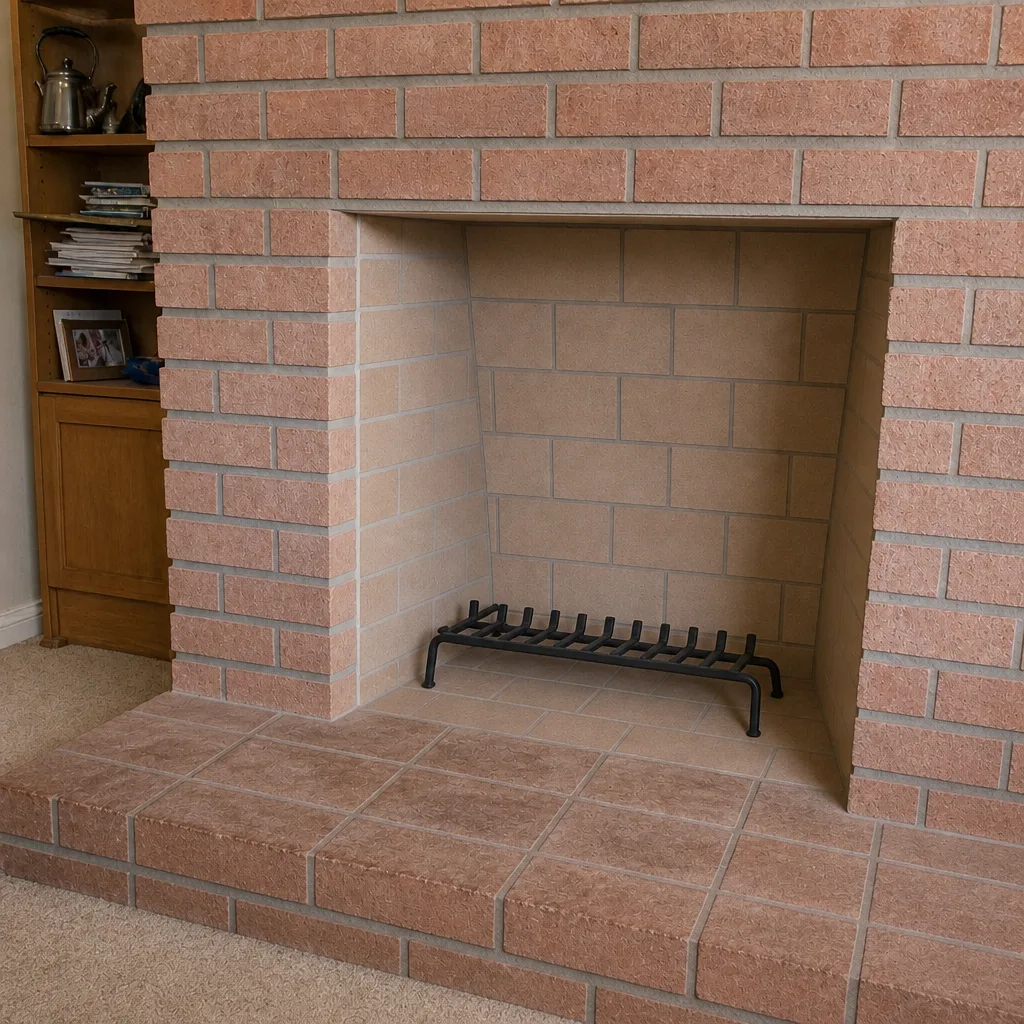
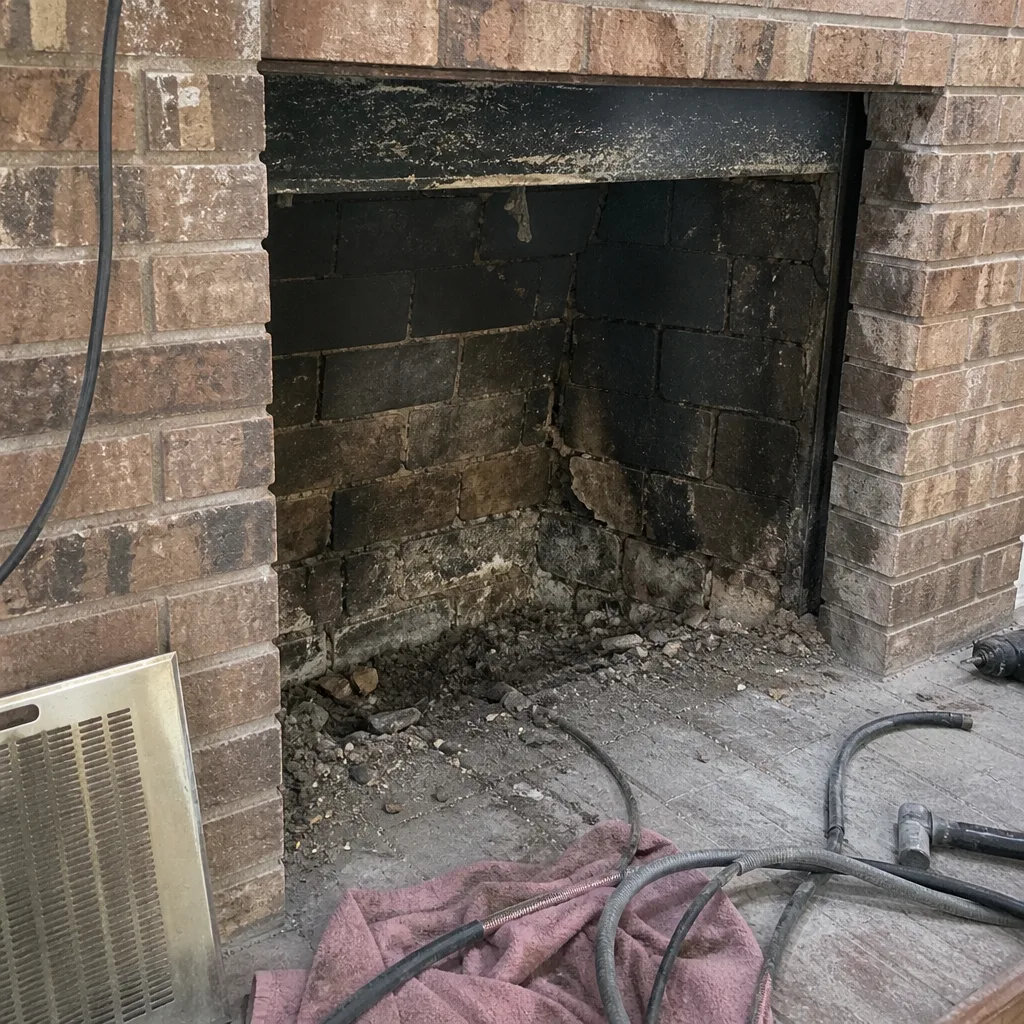
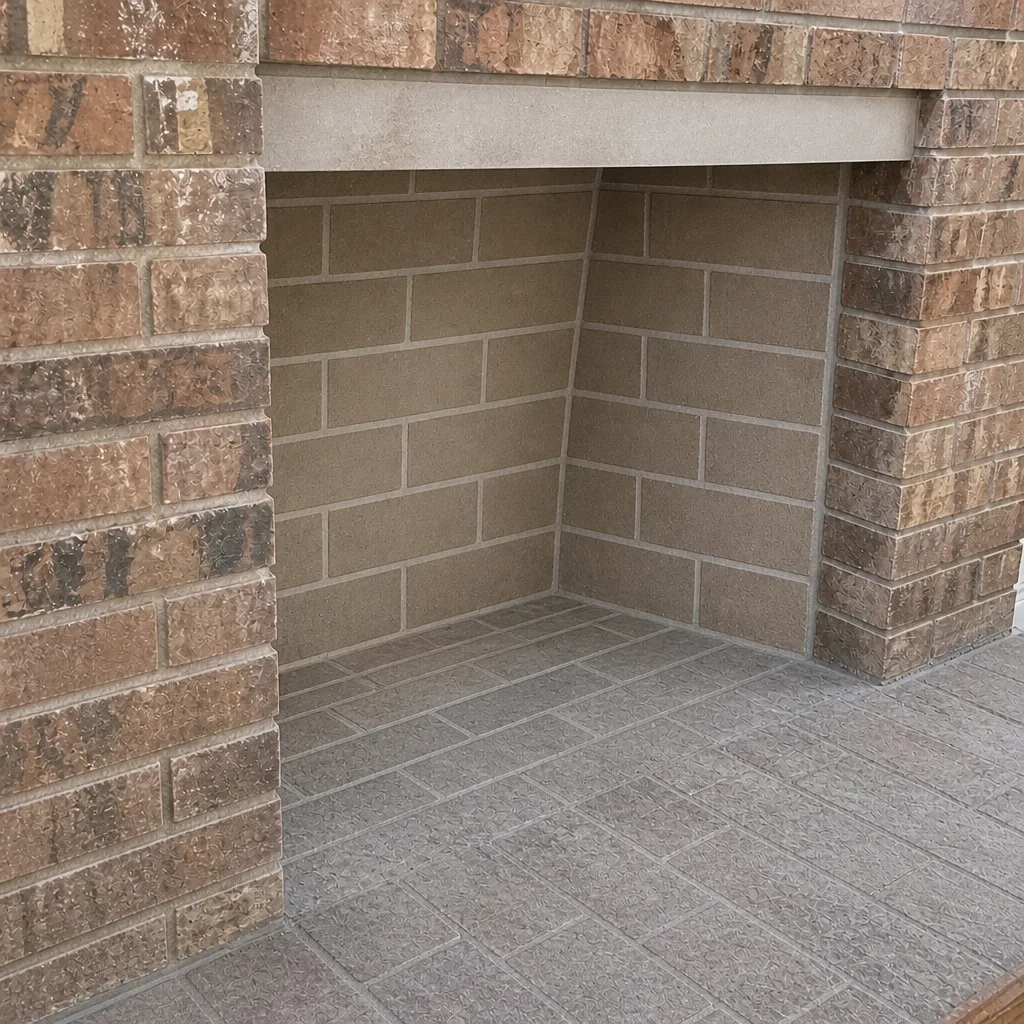
See the difference
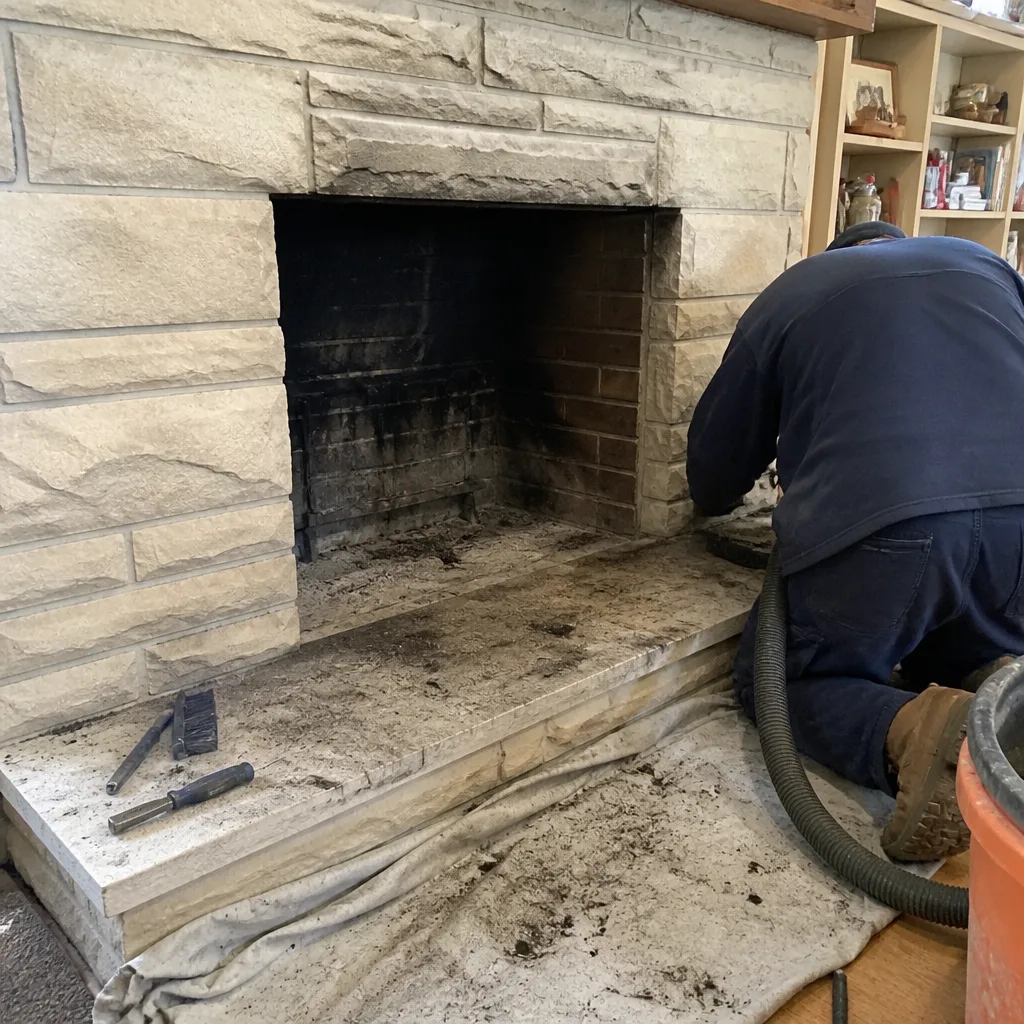 Before
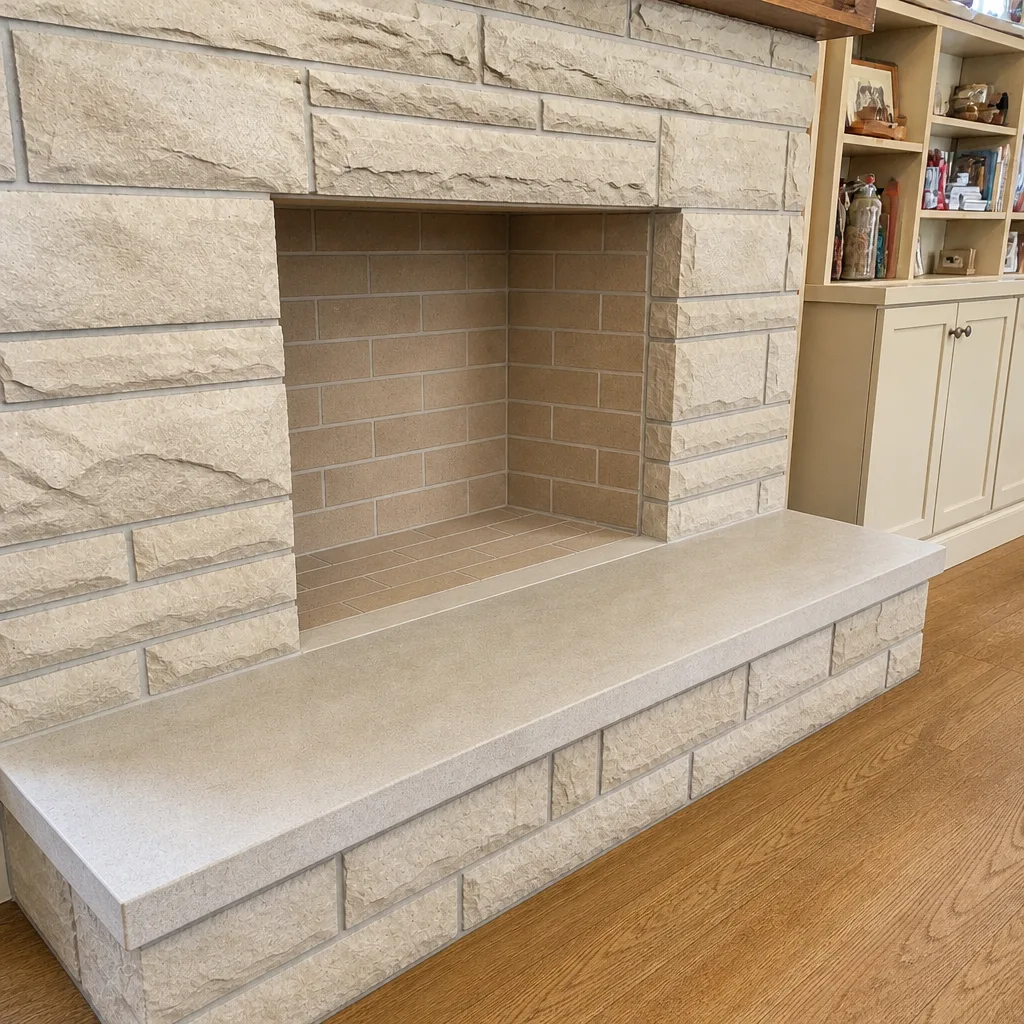 After
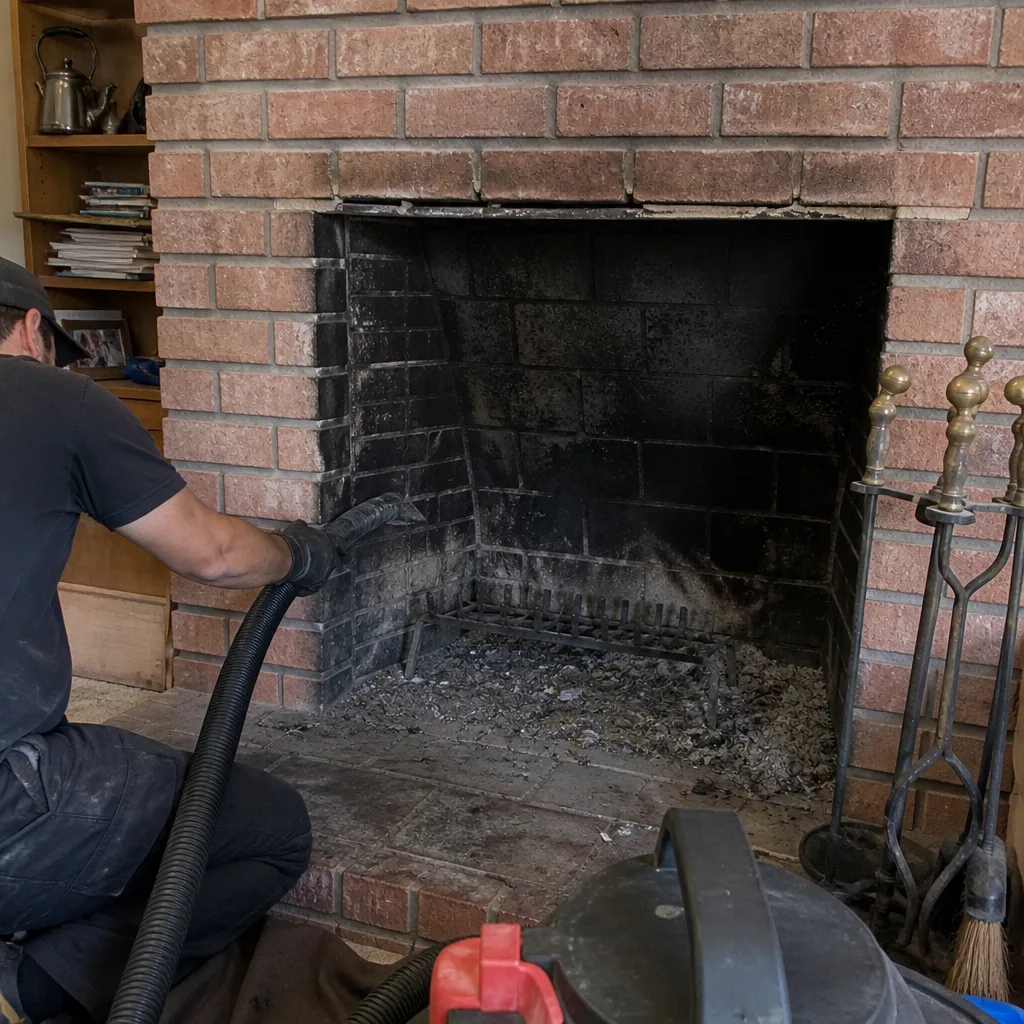 Before
 After
 Before
 After
When to Call a Professional
Call a professional if any of the following is true: you’ve never had a chimney inspection and you don’t know the last time the flue was looked at; you’re preparing to sell and the disclosure will mention chimney work; you’re planning a reline, a stove installation, or a structural repair and need to know whether a permit is required and how to get one; you’ve noticed a cracked crown, a missing cap, or water staining in the firebox; or your insurer or lender has asked for documentation of the chimney’s code compliance. Each of these is a reason to get a photo-documented inspection before anyone starts talking about repair costs. Chimney Sweep Midvale offers free estimates in Midvale. Call (855) 523-1499. We answer 24/7. Fast dispatch from 7am to 7pm, Sunday through Friday.
Frequently Asked Questions
No. A standard chimney sweep is maintenance and does not require a building permit in Midvale. Sweeping removes creosote and debris; it doesn’t change the chimney’s structure or function. A permit is only needed when the work crosses into liner replacement, structural repair, or appliance installation. Call (855) 523-1499 for an exact quote on a sweep. Estimates are free.
A CSIA inspection is a condition assessment using a standardized Level 1, 2, or 3 format. A code-compliance inspection is a specific review against the International Residential Code and local amendments. You may need a CSIA report for routine maintenance and both a CSIA report and a code review when you’re doing permitted work or selling a home. Call (855) 523-1499 to book the right inspection for your situation. Estimates are free.
Inspection pricing depends on the level. A Level 1 visual inspection is the simplest and least expensive; a Level 2 inspection with a video camera scan of the flue costs more because it covers more ground. The written estimate we give you sets the final price. Call (855) 523-1499 for an exact quote. Estimates are free, and we answer 24/7.
Start with a Level 2 inspection and request the permit history for your address from the Midvale building department. Some inherited work is code-compliant and simply unpermitted, some is fine and old, and some needs correction. The inspection report tells you which situation you’re in, and the building department can walk you through retroactive permitting. Call (855) 523-1499 to schedule the inspection. Estimates are free.
Not automatically, but it can complicate a fire-related claim. If an insurer’s investigator can tie a loss to a liner or appliance installed without a permit, the claim becomes disputable. The safest approach is to permit the work before it happens and keep the inspection card in your home records. Call (855) 523-1499 and we’ll help you sort out what’s permitted and what’s not. Estimates are free.
Once a year while you’re burning, and more often if you burn heavily or notice a lot of creosote buildup. The annual inspection is the point where code issues, crown damage, and liner cracks surface while they’re still small. Call (855) 523-1499 to book the yearly sweep and inspection. We answer 24/7. Fast dispatch from 7am to 7pm, Sunday through Friday.
The Bottom Line
Routine chimney maintenance in Midvale is a sweep and an inspection, no permit required. Anything that alters the flue, the structure, or the appliance is permitted work, and it falls under IRC Chapter 10 and local code. A CSIA inspection and a code-compliance review are different documents; you may need one or both depending on whether you’re maintaining, selling, or permitting. Unpermitted work is the item that shows up at the worst time, either in an insurance claim or a real estate closing. The fix is a documented inspection first, then a written plan. Keep the permit paperwork with your home records and you’re ahead of most Midvale homeowners. Call (855) 523-1499 for a free estimate and a photo-documented inspection. We answer 24/7. Fast dispatch from 7am to 7pm, Sunday through Friday.
Written by the team at Chimney Sweep Midvale.