
Last updated November 24, 2026
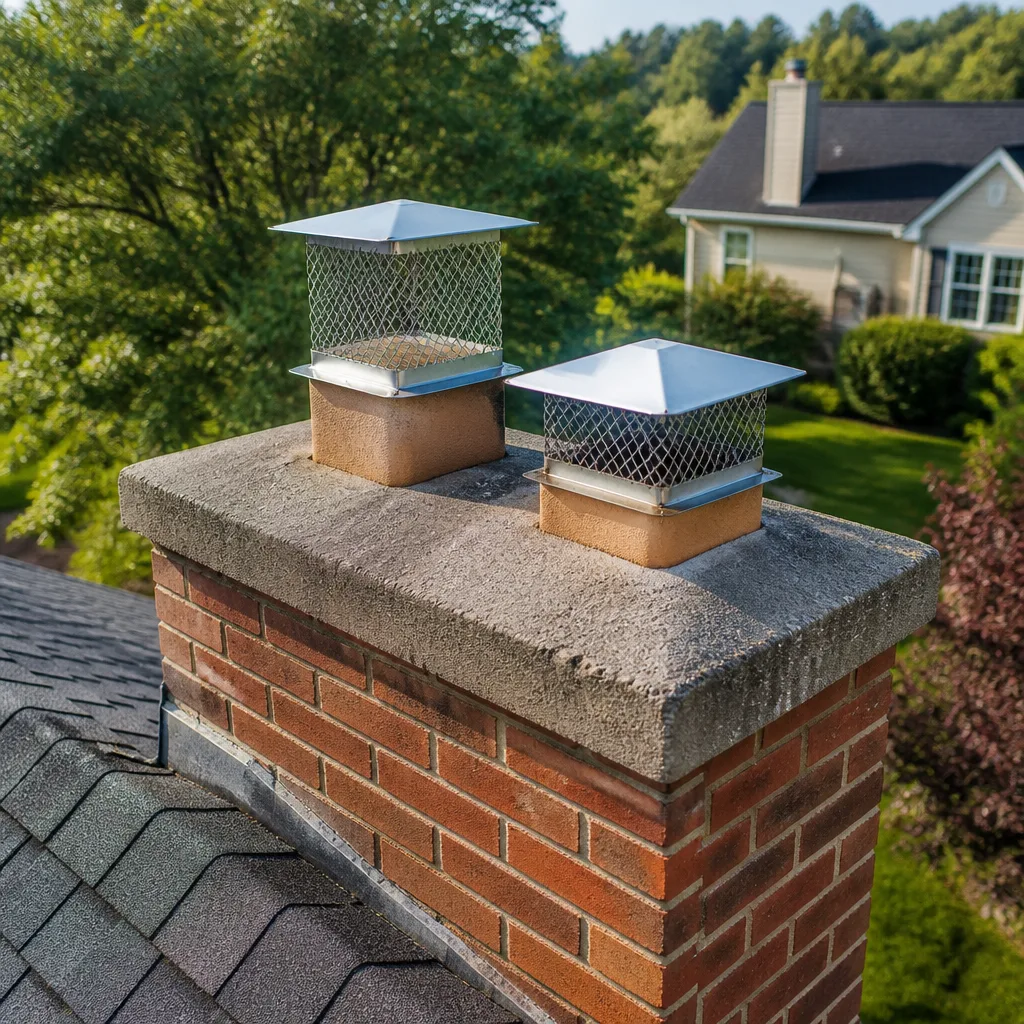 Sweep & inspection
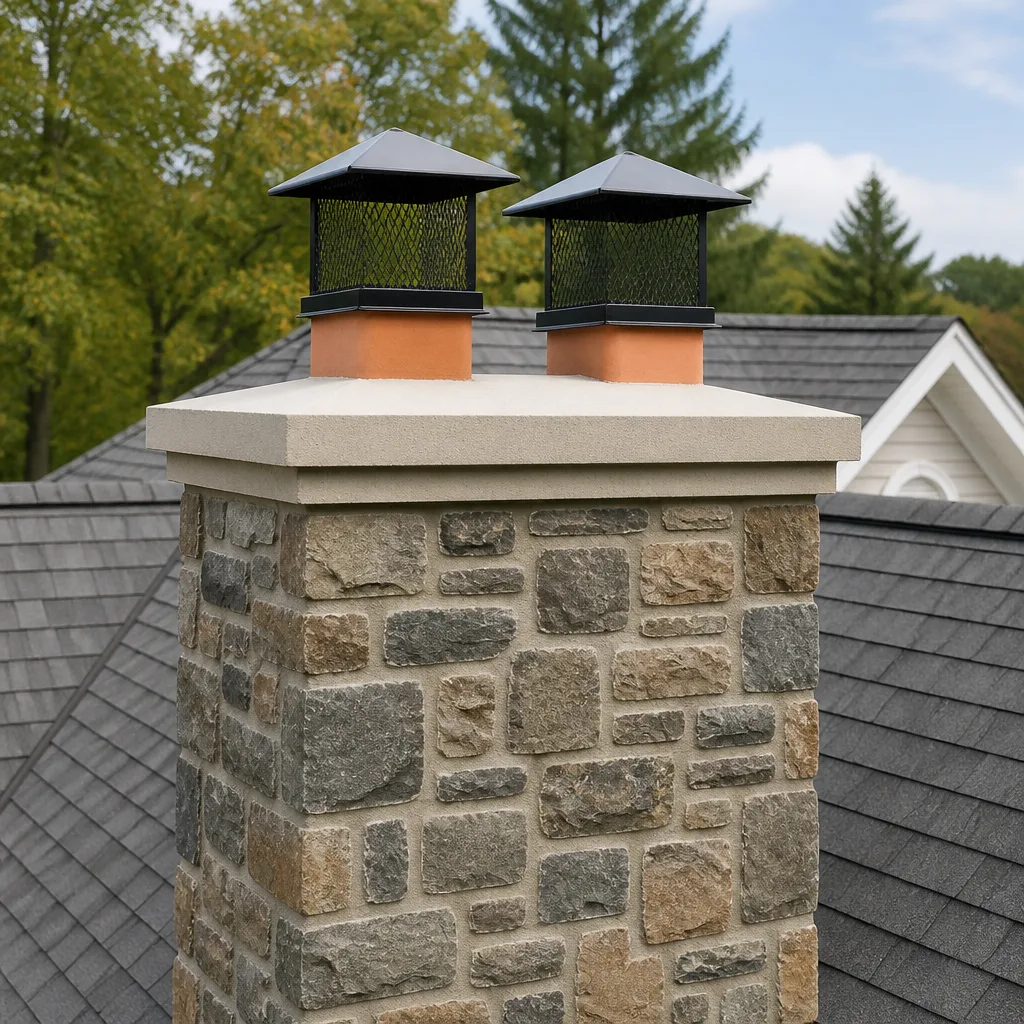 Caps & crowns
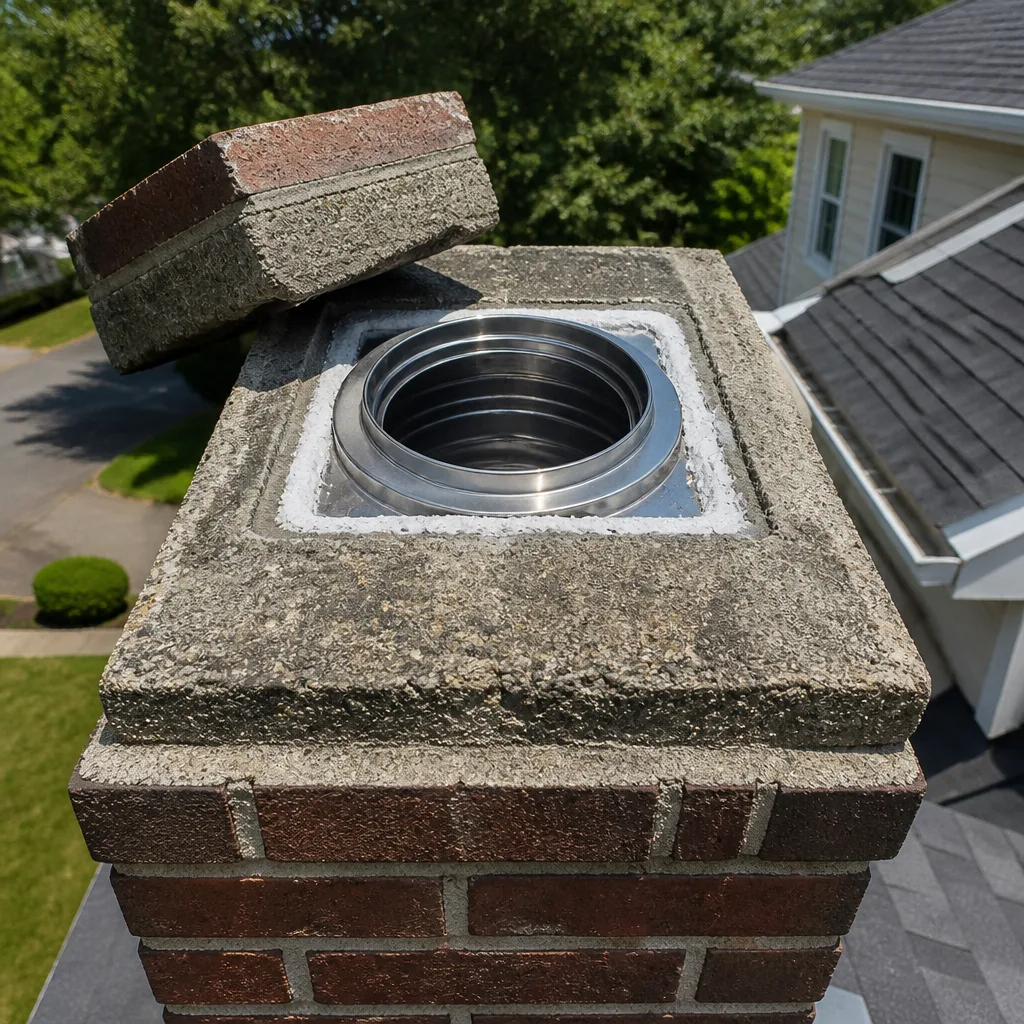 Flue relining
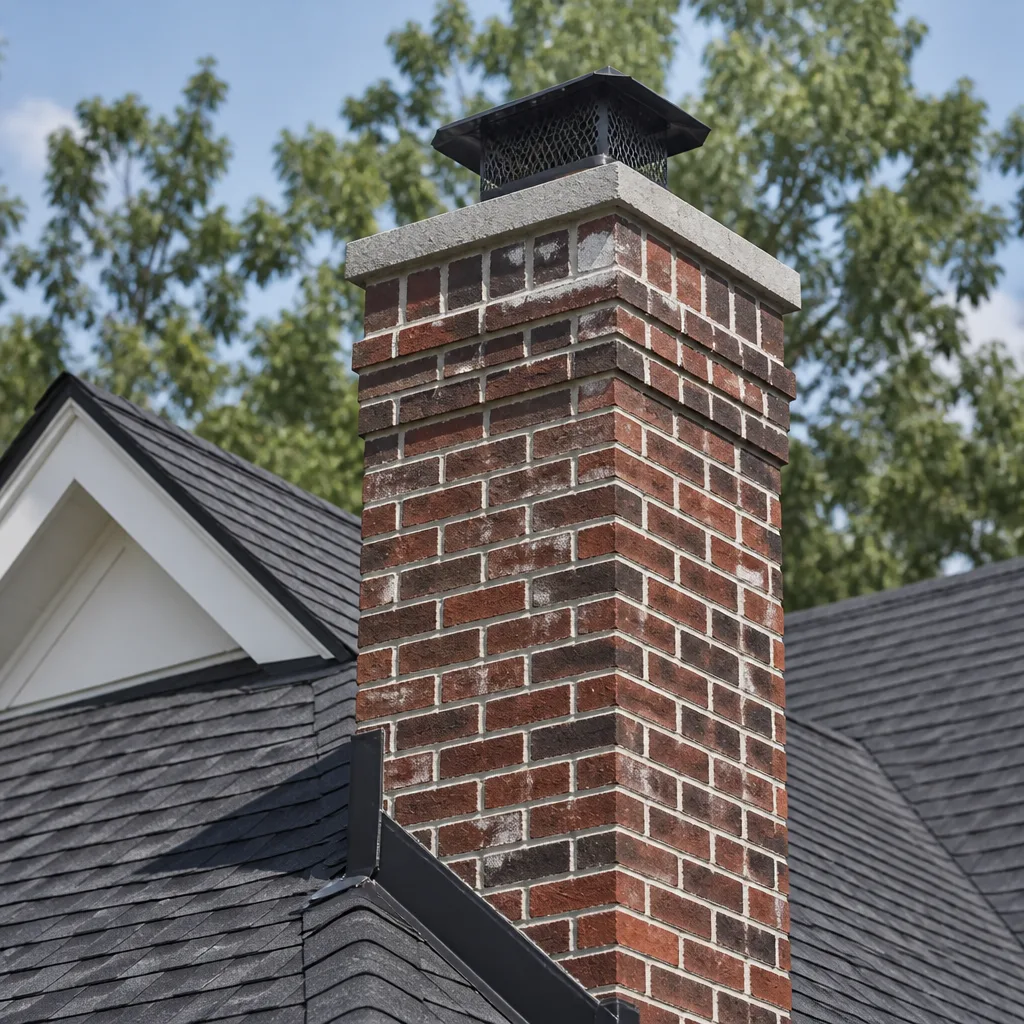 Masonry repair
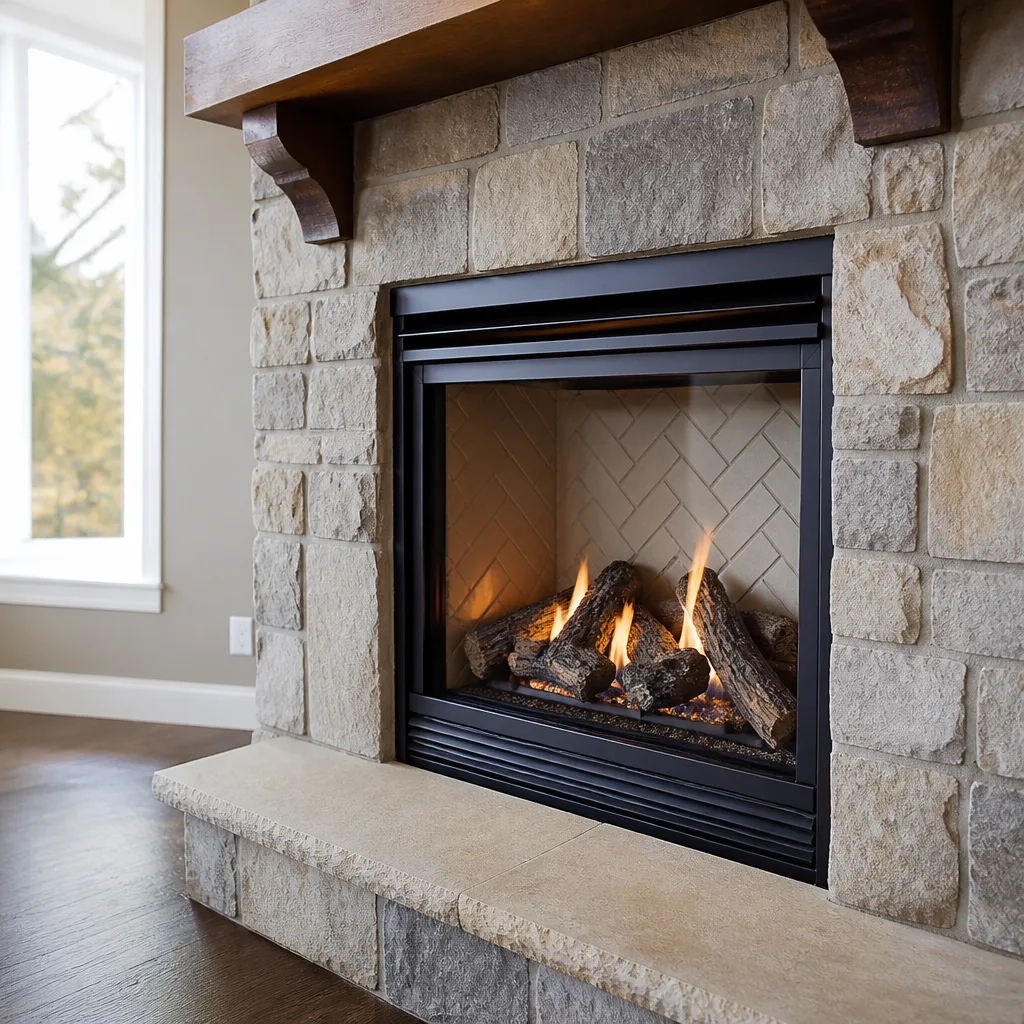 Gas fireplace service
Level 1 sweep and inspection to the NFPA 211 annual standard - flue, crown, cap, and flashing checked and photographed
Chimney sweep logs do not sweep chimneys. They loosen some creosote - which then falls where a brush and vacuum still have to collect it.
Chimney Cleaning Emergency Preparedness Guide for Midvale Homes
Most homeowners think a chimney fire announces itself. In our experience, it usually doesn’t. The highest-risk moment for a chimney fire in Midvale arrives in the first hard cold snap of October or November, when a homeowner lights the season’s first fire into a flue that spent the summer collecting moisture, bird debris, and creosote that cured hard as stone. Nothing about that first fire feels dangerous. That’s the problem. This guide covers the three conditions that create most chimney emergencies here, how to recognize a fire in progress during the first 60 seconds, what to do when a flue blocks mid-season, and how to build a prevention window into your fall schedule before Midvale’s inversion burn season starts.
Quick Answer
Chimney emergencies in Midvale cluster around three predictable events: the first cold snap of fall, prolonged winter inversion burn periods, and spring storms that expose deferred maintenance. The single most effective prevention step is a professional sweep and inspection scheduled in early fall, before you light the first fire of the season. If you suspect an active chimney fire, call 911 first, then get everyone out of the house.
Styles & brands we work with
- Sweep & inspection
- Caps & crowns
- Flue relining
- Masonry repair
- Gas fireplace service
Table of Contents
- The Three Scenarios That Create Chimney Emergencies in Midvale
- How to Identify an Active Chimney Fire and What to Do in the First 60 Seconds
- After the Fire: Why a Chimney That Looks Fine Can’t Be Used Yet
- What to Do When the Flue Blocks Mid-Season
- Building a Pre-Season Prevention Window Before Inversion Burn Season
- What a Proper Sweep and Inspection Actually Includes
- When to Call a Professional
- Frequently Asked Questions
The Three Scenarios That Create Chimney Emergencies in Midvale
Chimney emergencies here are not random. They follow the seasons closely enough that we can name the three conditions that produce most of them.
1. The First Cold Snap
When temperatures drop hard in October or November, homeowners across Midvale light fires within hours of each other. Many of those chimneys haven’t been swept since the previous spring. Over the summer, the flue collected moisture from humid air and rain, animal nesting material, and creosote that hardened into a dense, glossy layer. That first fire burns hot against a flue that isn’t ready for it. A chimney sweep before the first fire removes the fuel load and lets you start the season clear.
2. The Prolonged Inversion Burn Period
Midvale sits in the Salt Lake Valley, where winter inversions trap cold air and particulate matter near the ground for days or weeks. When the air is stagnant and outdoor burning is restricted, homeowners tend to burn more inside, often with damp wood or with the damper choked down to stretch a fire. Both practices produce cooler, smokier combustion, which builds creosote faster than a hot, clean burn. A flue that was acceptable in November can be badly glazed by February.
3. Spring Storms and Deferred Maintenance
Late-winter and spring storms drive wind and water against chimney caps and crowns. A cracked crown, a loose cap, or failed flashing lets moisture into the masonry. That moisture freezes and thaws through the shoulder season and weakens the structure. By the time the next fall arrives, the damage has been sitting for months. A spring inspection catches it while the repair is still small.
If any of these scenarios describes your situation, don’t wait for a problem to announce itself. A chimney sweep booked before the season starts is the cheapest and simplest prevention available.
How to Identify an Active Chimney Fire and What to Do in the First 60 Seconds
An active chimney fire is a genuine emergency. Recognizing it quickly and acting correctly in the first minute matters more than anything else in this guide.
Sound
A chimney fire often sounds like a low roar, similar to a distant freight train or a deep rushing wind inside the flue. You may hear popping or crackling that’s louder and more rhythmic than normal fire noise.
Smell
The smell is hard to forget once you’ve encountered it: a hot, acrid, almost chemical odor, sometimes described as burning tar. It’s distinct from wood smoke and doesn’t fade when you close the damper.
Visual Indicators
- Dense smoke or flames visible from the top of the chimney
- Sparks or embers shooting from the chimney cap
- Discoloration, blistering, or heat warping on the chimney exterior or the stovepipe
- Puffy or “honeycombed” creosote visible inside the firebox, which can indicate a previous fire
- A sudden drop in draft, followed by smoke backing into the room
What to Do in the First 60 Seconds
- Get everyone out of the house immediately, including pets. Do not stop to gather belongings.
- Call 911 from outside. Tell the dispatcher you believe you have a chimney fire.
- If it’s safe to do so from outside, close the fireplace doors or damper to reduce oxygen to the fire. Never re-enter a burning structure to do this.
- Do not spray water into the flue. A sudden temperature change can crack masonry or a clay liner and cause a collapse.
- Wait for the fire department to confirm the fire is out before returning inside.
Chimney fires can burn hot enough to damage a flue without producing visible flame from the roof. Even a fire that seems to have gone out on its own needs professional evaluation afterward, which we cover below.
After the Fire: Why a Chimney That Looks Fine Can’t Be Used Yet
A chimney that survived a fire without visible damage still cannot be safely used until a Level 2 inspection confirms the flue is intact. This is the step homeowners most often skip, and it’s the one that matters most.
Creosote fires burn at extreme temperatures. That heat can crack clay tile liners, warp metal liners, damage mortar joints, and open gaps between flue sections, all behind the masonry where you can’t see it. A hairline crack in a liner is enough to let combustion gases and carbon monoxide escape into the structure of the home. From the outside, nothing looks wrong. From inside the flue, the picture may be very different.
Why Level 2, Not a Basic Sweep
A standard sweep cleans the flue. It doesn’t assess the full system after a heat event. A Level 2 inspection includes a detailed examination of the flue, liner, connections, and accessible portions of the chimney structure, typically with a camera. It’s the inspection standard the trade uses after a chimney fire, a change in fuel type, or a major repair. If your liner is damaged, the fix may be a resurfacing system like HeatShield or a new flexible liner such as DuraFlex, depending on the condition of the flue. We explain what we find and why it matters before recommending either.
Do Not Relight Until the Inspection Is Done
It’s tempting to assume a small fire did no harm. It’s also the reason some post-fire chimneys fail weeks later. Until a professional has inspected the system and given the all-clear, treat the chimney as out of service. For deeper repair work, a chimney repair specialist can evaluate the liner, crown, and masonry together.
What to Do When the Flue Blocks Mid-Season
A blocked flue mid-season is a different kind of emergency: quieter than a fire, but just as dangerous. When the flue can’t vent, combustion gases back up into the living space. Carbon monoxide is odorless and colorless, so a blocked flue can put a household at risk without any obvious warning.
Common Causes in Midvale
- Animal intrusion. Birds, squirrels, and raccoons nest in flues, especially in fall and early spring. A missing or damaged cap is the usual reason.
- Collapsed tile or liner. Age, heat cycling, and moisture weaken clay tile. A section that breaks loose can block part or all of the flue.
- Heavy creosote fall-off. Large pieces of hardened creosote can drop and clog the flue during a burn.
- Nesting debris combined with soot. An accumulation that built through the off-season can shift loose once the flue heats up.
Signs Your Flue May Be Blocked
Watch for smoke rolling back into the room when you open the stove or fireplace doors, a weak or uneven draft, a smell of smoke lingering after the fire is out, soot falling into the firebox, or any carbon monoxide detector alert. A CO alarm is a stop signal, not a nuisance. Get everyone outside and call for help.
Safe Shutdown and When to Call
- If you smell smoke backing up or the CO alarm sounds, put the fire out safely if you can do so without risk, then open a window and get outside.
- Do not try to clear a flue blockage from the top of the chimney or from inside the firebox. This is genuinely dangerous work and can dislodge material further.
- Call a professional. A blocked flue needs to be cleared and inspected, not just poked at.
- Do not relight the fireplace until the flue has been cleared and inspected and the cause fixed, including a new cap where the old one failed.
We answer 24/7. A call outside dispatch hours is booked into the next opening, Sunday through Friday, 7am to 7pm. Fast dispatch, 7am-7pm, means we can usually get to a blocked flue quickly.
Building a Pre-Season Prevention Window Before Inversion Burn Season
The single most useful thing you can do in Midvale is schedule your sweep before the season starts, not after the first emergency. Once the inversion burn season settles into the valley, everything happens at once: cold snaps, restricted burning, and full appointment calendars.
Why Early Fall Is the Right Window
A sweep in late summer or early fall clears the flue of summer debris and hardened creosote before the first fire. It also gives you time to address any repair a professional finds, such as a cracked crown or a damaged cap, without scrambling when the weather turns. Roof work and exterior repairs are far easier before the first snow.
A Simple Fall Checklist
- Schedule the sweep for late summer or early fall, before you plan to light the first fire.
- Book an inspection at the same visit so you have a current picture of the whole system.
- Check the cap and crown for cracks, rust, or loose fasteners, which are common entry points for water and animals.
- Test carbon monoxide detectors and replace batteries.
- Stock dry, seasoned firewood and store it off the ground and away from the house.
- Learn the signs of a chimney fire and a blocked flue, and keep our number somewhere you can find it fast.
Building the prevention window into your calendar rather than reacting to a crisis is the whole point. A chimney sweep is routine maintenance, and treating it that way is what keeps a Midvale home out of the emergency column.
What a Proper Sweep and Inspection Actually Includes
A proper chimney service is more than brushing the flue. It’s a full-system check from the firebox to the cap, and knowing what to expect helps you judge whether the service you’re getting is complete.
The Sweep
A sweep removes soot, creosote, and debris from the flue and firebox. We use professional tools and drop cloths to keep the home clean, then remove the debris so nothing falls back into the flue. The goal is a clear flue and a safe start to the season.
The Inspection
An inspection looks at the firebox, damper, smoke chamber, flue, liner, crown, cap, and any accessible exterior masonry. A camera inspection lets us see down the flue and check for cracks, gaps, and blockages that aren’t visible from the top or the bottom. We show you the footage and explain what we find, so you can decide what needs attention now and what can safely wait.
What We Work With
When repairs are needed, we rely on professional-grade materials. For a damaged or undersized flue, DuraFlex flexible liner systems offer a durable solution that fits the flue geometry without full masonry demolition. For liners that are still sound but have minor cracks or gaps, HeatShield resurfacing can extend the life of the existing liner. For caps and crowns, we work with industry brands like Olympia Chimney and Copperfield, and Famco components where they fit the system. The right material depends on what the inspection finds, which is why we inspect before we recommend.
Common Mistakes to Avoid
- Waiting for the first cold snap to think about the chimney. By then, thousands of Midvale homes are lighting fires at once and scheduling gets tight. Book in late summer or early fall instead.
- Burning damp or unseasoned wood during inversion season. Wet wood burns cooler and smokier, which builds creosote faster. Season your wood and keep it dry.
- Assuming a small chimney fire did no harm. Heat damage hides behind the masonry. A Level 2 inspection after any fire is not optional.
- Skipping the cap because it “looks fine.” A missing or damaged cap is the leading entry point for animals and water. It’s the first thing we check on the roof.
- Treating a CO alarm as a nuisance. If the detector sounds while a fire is burning, get out and call for help. Don’t reset it and go back to bed.
- Patching liner problems with a quick fix. A patch that fails mid-season is worse than the original problem. HeatShield and DuraFlex are professional systems for a reason: they’re built to last, not patched to pass.
- Ignoring the crown. A cracked crown lets water into the masonry, and freeze-thaw cycles here turn a small crack into a structural problem. Have it checked at the same visit as the sweep.
When to Call a Professional
Some chimney problems are maintenance. Others need a phone call now.
- You suspect a chimney fire, now or recently
- A carbon monoxide detector has sounded while a fire was burning
- Smoke backs into the room, or the draft has gotten noticeably weaker
- You hear animals or find nesting material in the firebox or flue
- You see visible damage to the cap, crown, or roofing around the chimney
- Your flue hasn’t been swept in a year or more of regular burning
If any of these applies, don’t wait for the next burn. Chimney Sweep Midvale offers free estimates in Midvale. Call (855) 523-1499. We answer 24/7. Fast dispatch from 7am to 7pm, Sunday through Friday.
Frequently Asked Questions
Once a year for homes that burn regularly through the season, and more often if you burn often or notice heavy creosote buildup. Midvale’s long burn season and inversion periods make an annual sweep the practical minimum. Call (855) 523-1499 for an exact quote; estimates are free.
Sweep pricing depends on the flue, the system, and the level of service booked, and the written estimate sets the final price. We inspect before we recommend any repair, so you know what you’re paying for. Call (855) 523-1499 for a free estimate.
Not always. Many damaged liners can be resurfaced with HeatShield rather than replaced. A camera inspection shows the actual condition of the liner and tells us whether resurfacing or a full DuraFlex liner makes sense. Call (855) 523-1499 to book the inspection.
No, not until a Level 2 inspection confirms the flue is intact. Heat damage can hide cracks and gaps that are invisible from outside, and using the chimney before it’s checked risks fire and carbon monoxide exposure. Call (855) 523-1499 to schedule the inspection.
Smoke rolling back into the room, a weak or uneven draft, soot falling into the firebox, a lingering smoke smell, or a sounding CO alarm. If you notice any of these, stop using the fireplace and call for an inspection. Call (855) 523-1499 for help.
Chimney fires are more common here than most homeowners realize, largely because of the first cold snap and the long inversion burn season. The good news is that they’re largely preventable with an annual sweep and inspection. Call (855) 523-1499 to book yours before the season.
The Bottom Line
Chimney emergencies in Midvale follow a pattern, and patterns can be broken. The first cold snap, the long inversion burn season, and spring storms are the conditions that create the calls we get. A sweep and inspection in early fall removes most of the risk before the season starts, and it gives you time to fix a cap, crown, or liner issue while the weather still cooperates. If you suspect a fire or a blocked flue, stop using the fireplace and call a professional. Everything else is maintenance you can schedule without drama. We handle the sweep, the inspection, and any fireplace repair in one visit, so you’re not chasing down multiple trades.
Chimney Sweep Midvale is your full-system chimney specialist in Midvale, from Chimney Sweep Midvale sweeps and inspections to liners, caps, and crowns, using professional-grade materials like DuraFlex, HeatShield, and Olympia Chimney.
Call (855) 523-1499 for a free estimate. We answer 24/7. Fast dispatch from 7am to 7pm, Sunday through Friday.
Written by the team at Chimney Sweep Midvale.
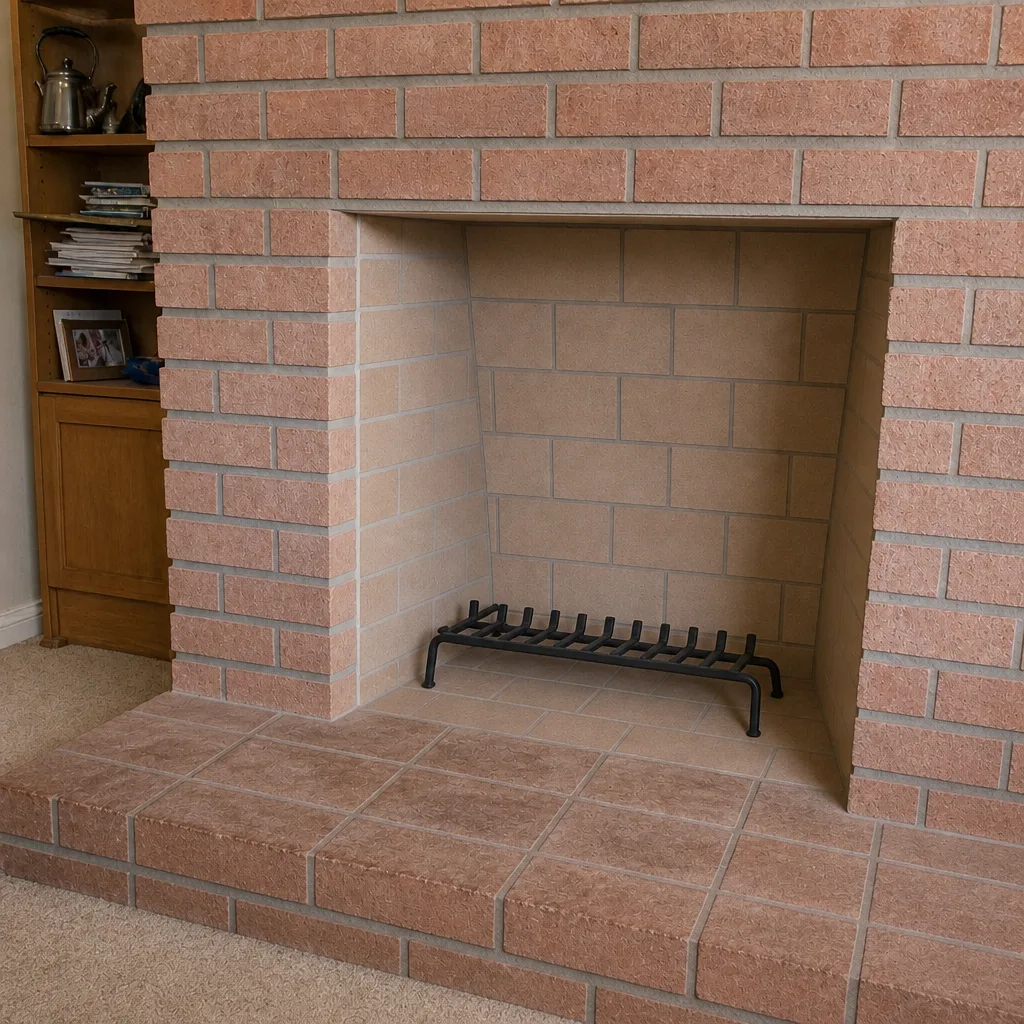
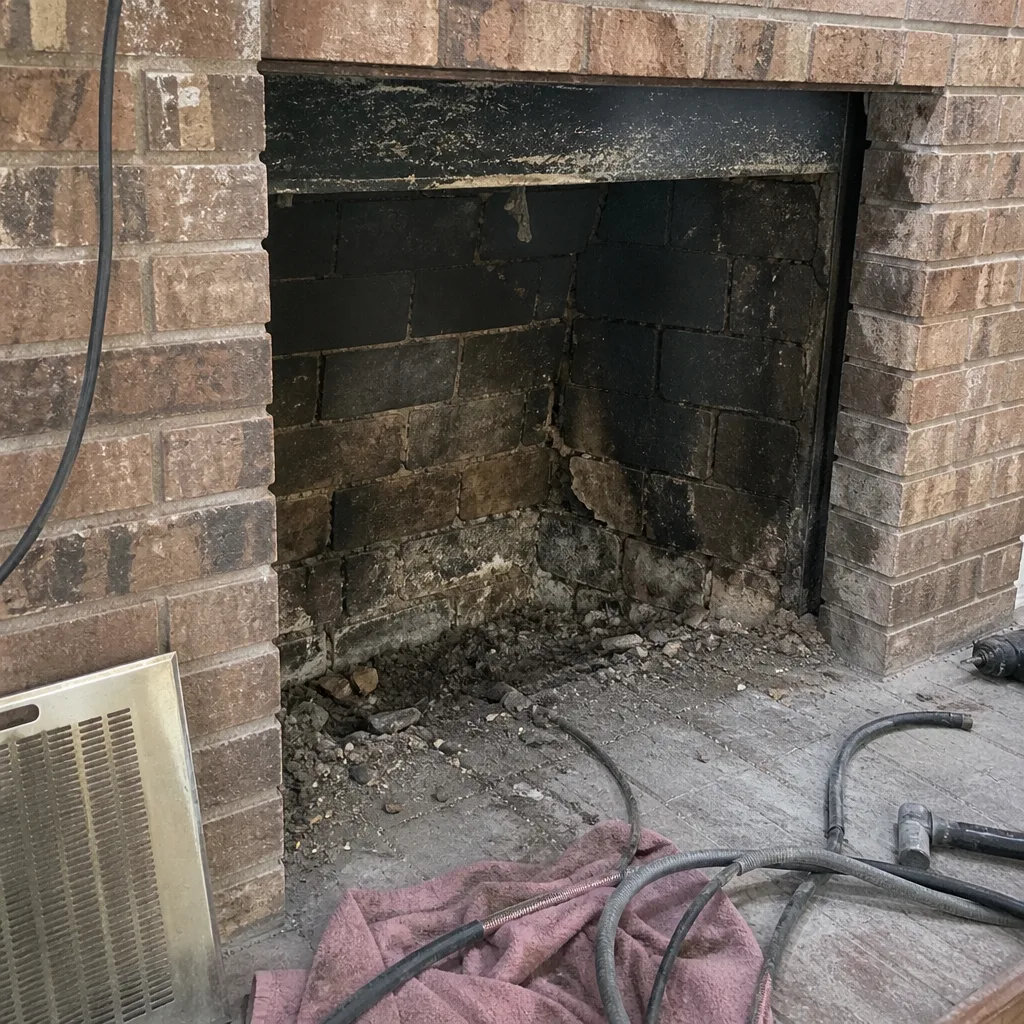
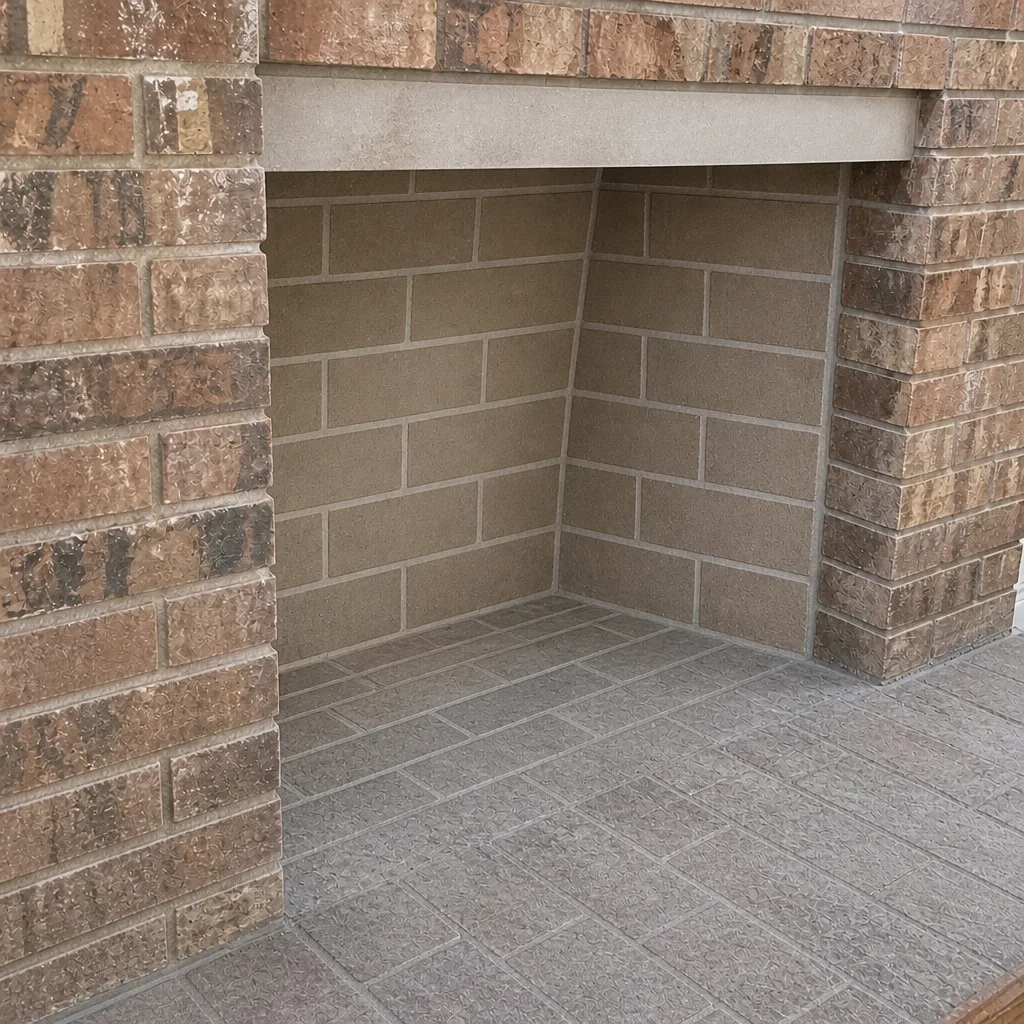
See the difference
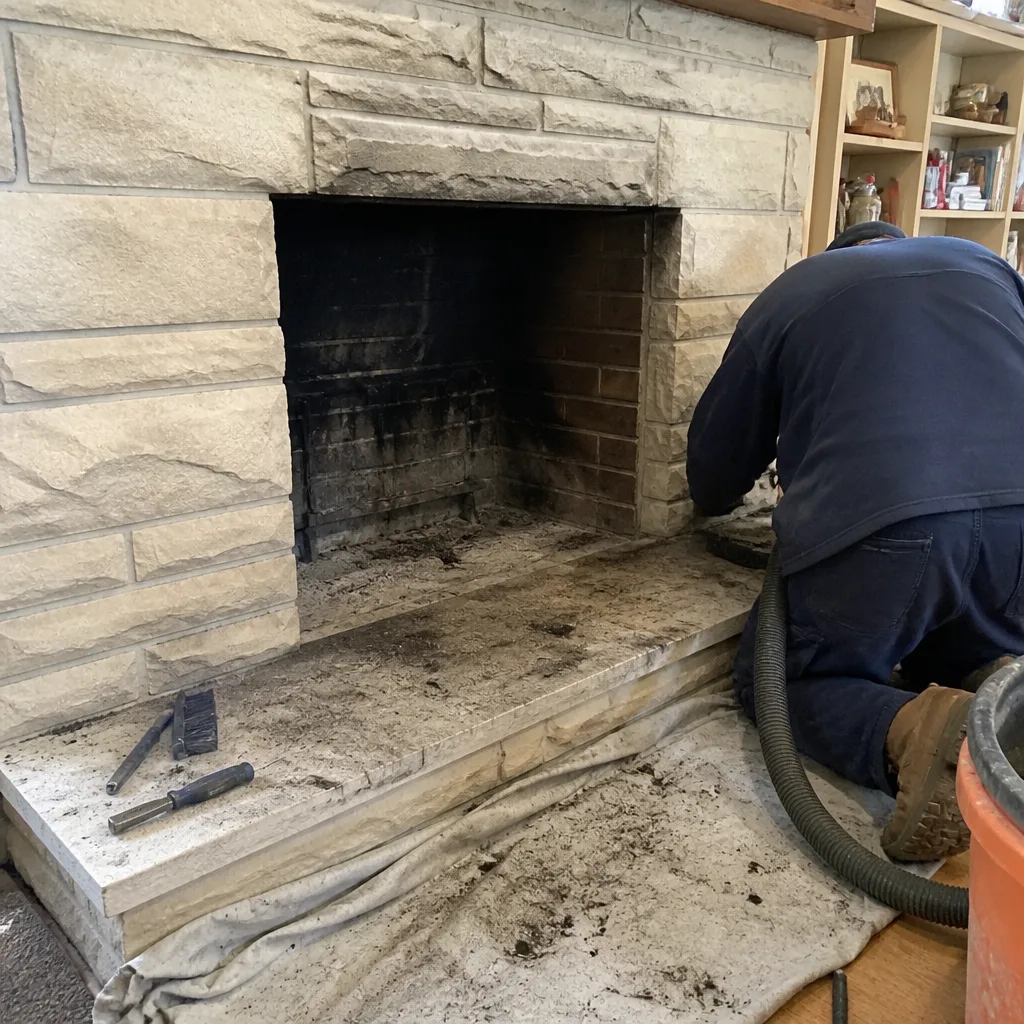 Before
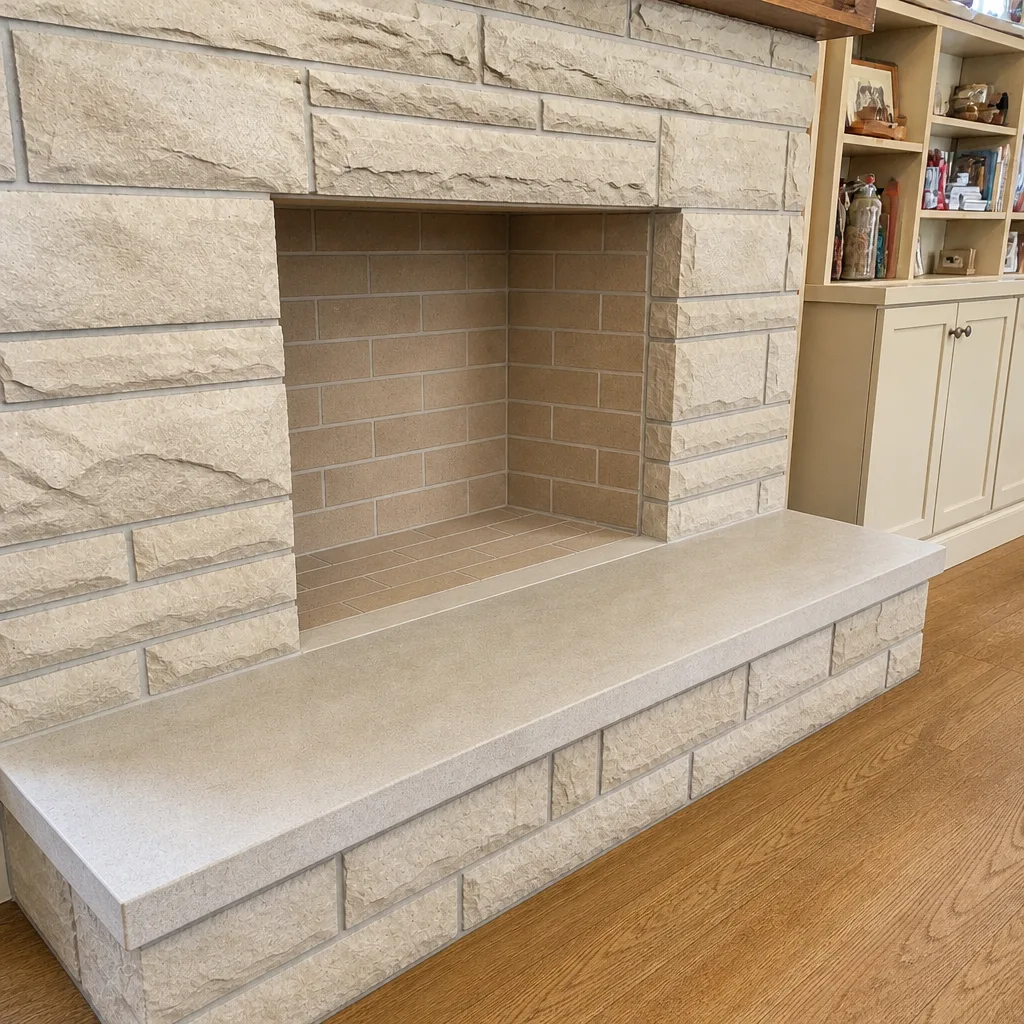 After
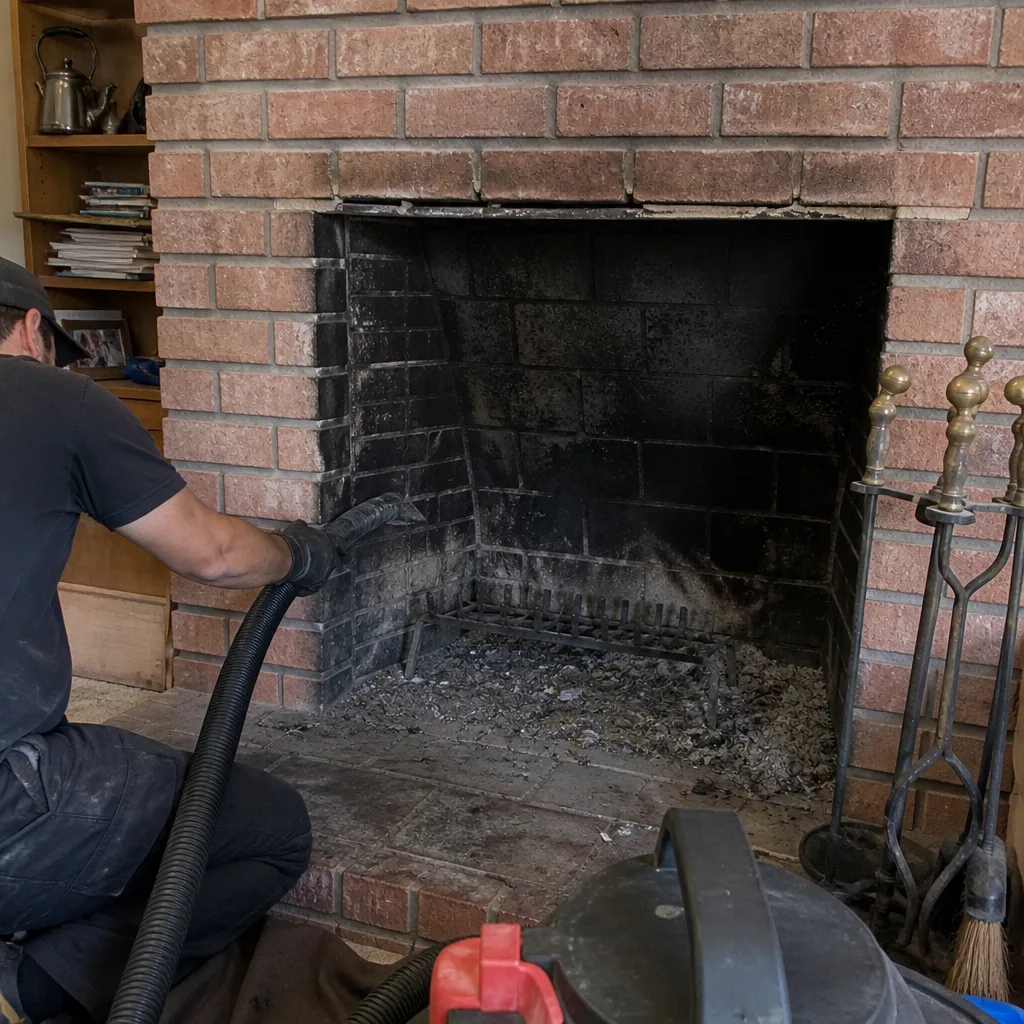 Before
 After
 Before
 After