
Last updated November 24, 2026
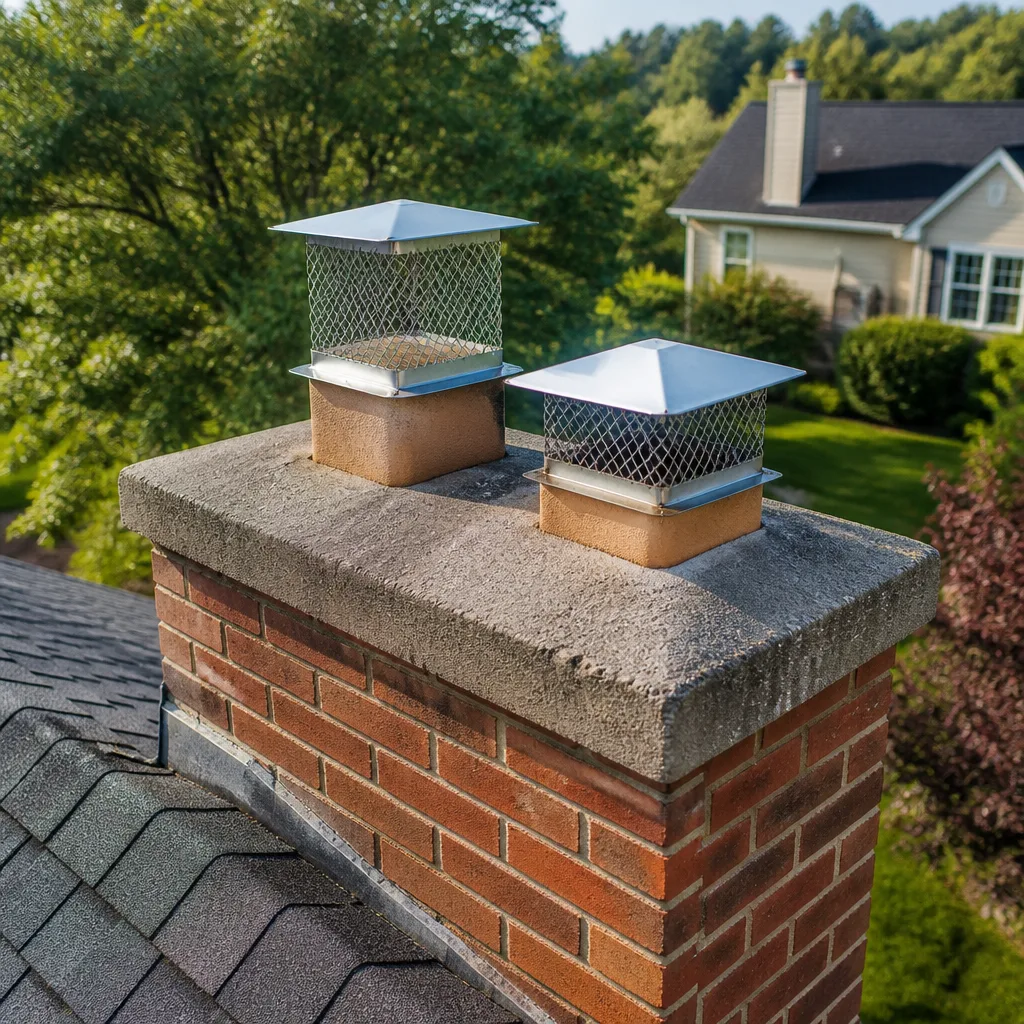 Sweep & inspection
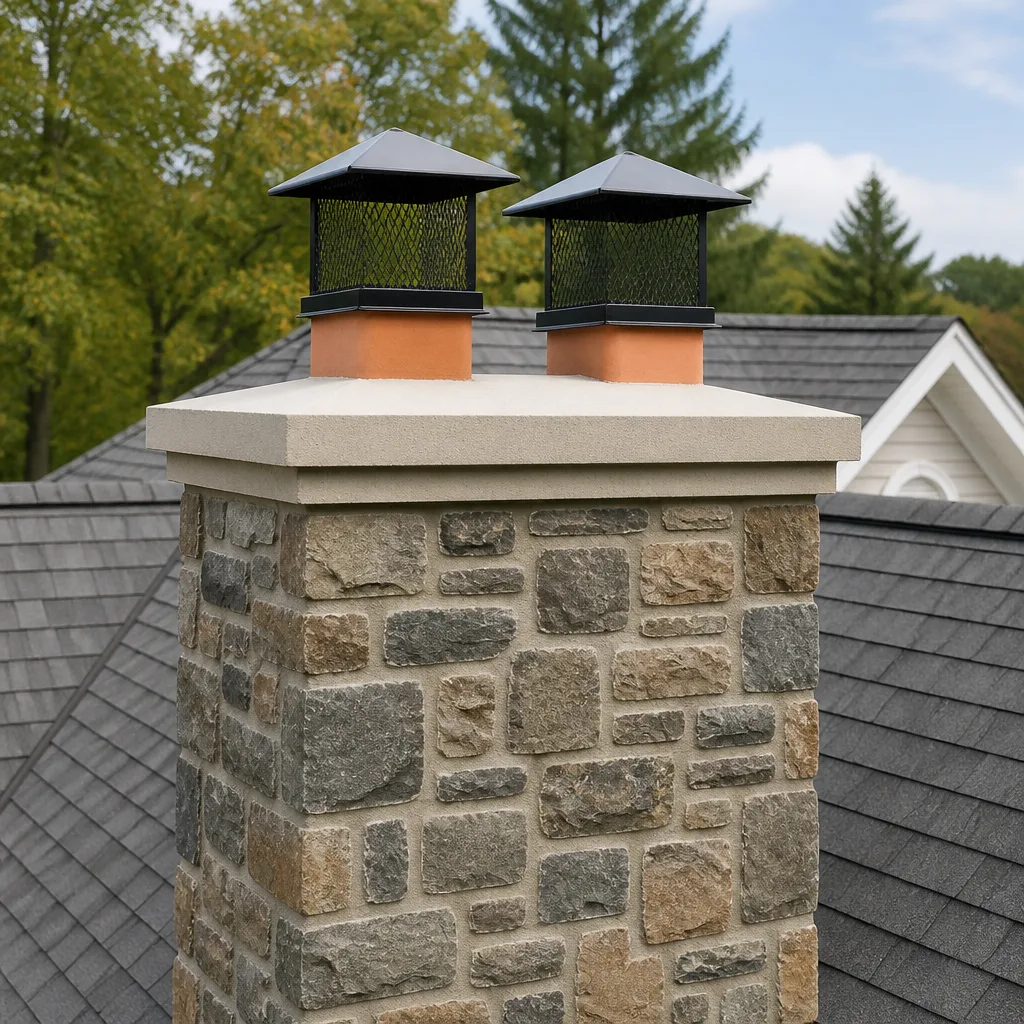 Caps & crowns
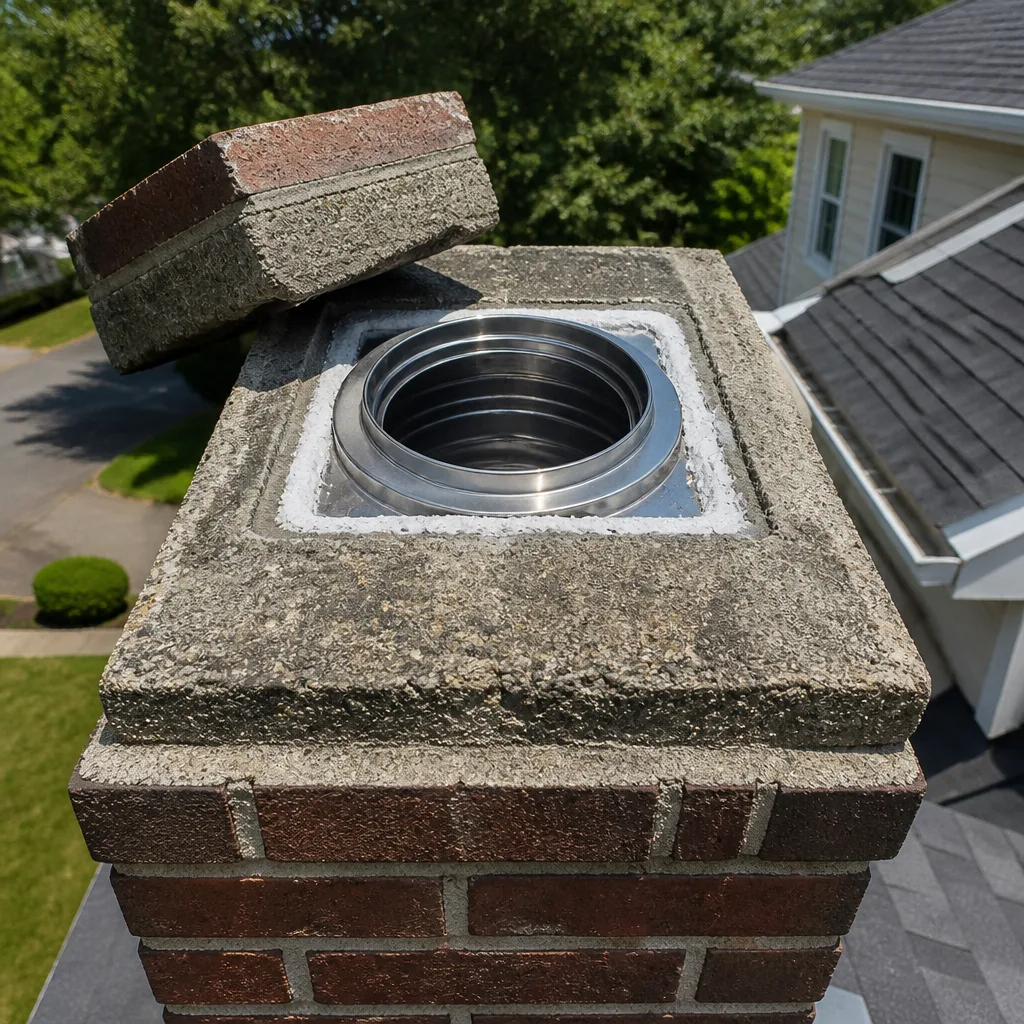 Flue relining
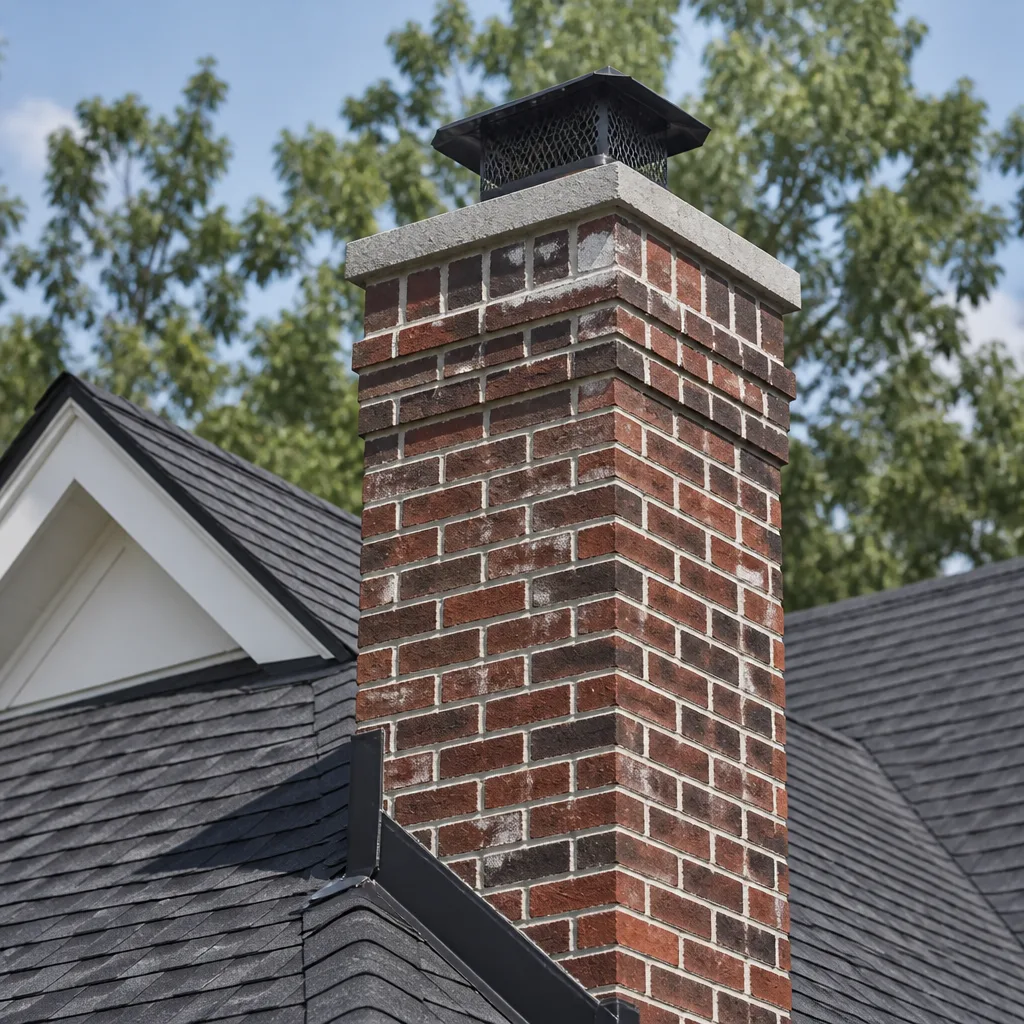 Masonry repair
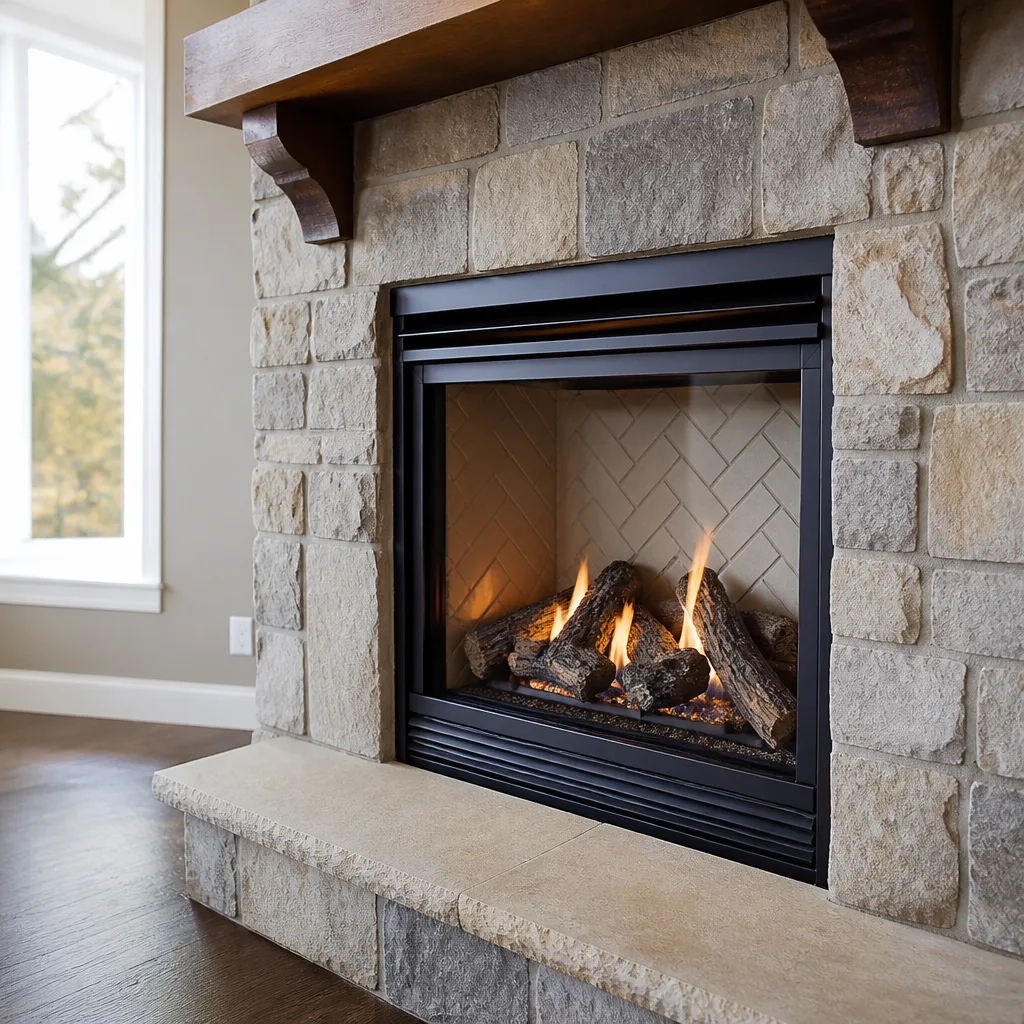 Gas fireplace service
Level 1 sweep and inspection to the NFPA 211 annual standard - flue, crown, cap, and flashing checked and photographed
Chimney sweep logs do not sweep chimneys. They loosen some creosote - which then falls where a brush and vacuum still have to collect it.
Choosing the Right Chimney Cleaning Brand: A Buyer’s Guide for Midvale
Most homeowners we talk with in Midvale can name the brand of their furnace, their water heater, and often their dishwasher. Almost none can name the product brands on their chimney. That gap matters more than it sounds, because the crown coating, waterproofing, cap, and liner a sweep uses are a direct proxy for how their work will hold up. Consumer-grade crown coatings often fail within three to five years under Utah’s freeze-thaw cycle; contractor-grade elastomeric coatings are built to last far longer. This guide names the categories and brands that separate a full-system chimney specialist from a generalist reaching for whatever’s on the shelf, and shows you the questions that tell you which one is at your door in Midvale.
Quick Answer
The right chimney service is one that uses contractor-grade materials matched to Midvale’s climate and can name them when you ask: brands like Olympia Chimney, Famco, DuraFlex, and Copperfield for caps, liners, and crown products, plus professional repair systems like HeatShield for resurfacing a liner without tearing it out. A vague answer about “high-quality materials” from a sweep who can’t name a single product is a warning sign. Ask specifically what they use for crown coatings, waterproofing, caps, and stainless liner systems, then ask why.
Styles & brands we work with
- Sweep & inspection
- Caps & crowns
- Flue relining
- Masonry repair
- Gas fireplace service
Table of Contents
- Why Chimney Product Brands Tell You So Much About a Sweep
- The Four Product Categories Where Brand Choice Matters Most
- Contractor-Grade vs. Retail-Grade: What Actually Differs
- Why Material Grade Matters More in Midvale Than in Milder Regions
- How to Ask a Sweeper What They Use (and Read the Answer)
- What a Warranty Says About the Materials Behind It
- Generalist vs. Full-System Specialist: How to Tell Them Apart
- A Midvale Buyer’s Checklist Before You Book
Why Chimney Product Brands Tell You So Much About a Sweep
Chimney work is largely invisible. The sweep shows up, works inside the flue and up on the roof, and leaves. You can’t inspect most of what they did. That’s exactly why brand transparency is such a useful shortcut for homeowners: it’s the one part of the job you can verify in a phone call before you book.
A sweep who routinely works with Olympia Chimney stainless liners or Copperfield caps knows those supply chains because they order from professional distributors, not a big-box store. They’ve made a decision about quality. A sweep who can’t tell you what they use, or who says “we just use the best,” hasn’t made that decision yet, or isn’t equipped to install at that level.
In our experience, the material question also reveals how a company thinks about its trade. A chimney is a system: the flue handles exhaust, the liner protects the masonry, the crown sheds water off the top, and the cap keeps out rain, birds, and debris. Each component fails on its own schedule. A specialist thinks about all four. A generalist thinks about the sweep.
The good news for Midvale homeowners is that you don’t need to be a chimney expert to ask the right questions. You only need to know four product categories, one brand question, and what a good answer sounds like. This guide gives you all three.
The Four Product Categories Where Brand Choice Matters Most
Chimneys involve dozens of small parts, but four product categories do most of the heavy lifting when it comes to longevity. These are where brand choice quietly determines whether a repair lasts a season or a decade.
1. Crown coatings
The crown is the concrete cap at the top of the chimney that sheds water to the sides. When it cracks, water gets in and freezes. Contractor-grade elastomeric crown coatings flex as the masonry moves through Midvale’s winter cycles and stay bonded to the concrete. Retail-grade patching cement cracks again within a few winters.
2. Waterproofing sealers
Masonry is porous. A permeable sealer lets the brick dry outward while shedding rain, which is the only kind worth using on a chimney. Film-forming sealers trap moisture inside the brick, and in a freeze-thaw climate that trapped moisture is destructive. Professional-grade breathable sealers are the standard, and a specialist will specify which.
3. Chimney caps
The cap is the single best protection against water intrusion and animal entry. Stainless caps from brands like Copperfield and Olympia Chimney are sized to the flue, mounted to withstand wind load, and built with mesh that resists corrosion. Generic galvanized caps sold for a few dollars online rust out, sag, and sometimes blow off the roof in a windstorm.
4. Stainless liner systems
This is the most consequential category. A flexible stainless liner like DuraFlex, properly sized and insulated, addresses a deteriorating clay flue without tearing down masonry. Unlike cheap unlined corrugated pipes, a code-compatible liner system carries a warranty and is installed to spec. It’s also the product a generalist is least equipped to install correctly.
Contractor-Grade vs. Retail-Grade: What Actually Differs
The price gap between retail-grade and contractor-grade chimney products is usually modest. The performance gap is not. Here’s what separates them technically, not just by price:
- Materials. Contractor-grade stainless caps use heavier alloy and thicker mesh than the retail equivalent. In practice, that means rust resistance in a snowy climate and a cap that doesn’t sag under snow load.
- Flexibility and adhesion. Elastomeric crown coatings are engineered to move with masonry as it expands and contracts in freeze-thaw cycles. Retail patching cement is rigid and fails at the first stress.
- UV stability. Midvale sits at high altitude, where the sun is stronger year-round. Retail sealers break down under UV far faster than professional formulations designed for high-exposure climates.
- Vapor permeability. Breathable waterproofing sealers allow masonry to dry inward while blocking liquid water. Retail sealers that form a film trap moisture and accelerate spalling.
- Warranty. Contractor-grade products come from brands willing to warranty their materials. That warranty is a signal to the installing sweep, and to you.
The same pattern applies to liner systems. Brands like DuraFlex and Famco make flexible liners engineered for specific appliance types and flue conditions, with published installation specifications. The hardware-store equivalent is often a corrugated pipe with no rating and no spec sheet.
None of this means the brand name alone guarantees a good job. Installation quality still matters most. What brand naming tells you is whether the sweep is equipped to do the job well in the first place.
Why Material Grade Matters More in Midvale Than in Milder Regions
A chimney in a mild coastal climate lives a much easier life than one in Midvale. Here, three forces work on the exterior of every chimney through the year, and they’re unforgiving of below-grade materials.
Freeze-thaw cycling. Water enters a hairline crack in the crown or a porous brick in the fall, freezes overnight, expands, and widens the crack. Then it thaws, refreezes, and repeats. Over one Midvale winter, a small crack becomes a real problem. By early spring, the crown may be spalling. This is the single biggest driver of chimney damage in the region, and it’s why waterproofing and crown material grade matter more here than in, say, a warm-weather market.
High-altitude UV exposure. At Utah elevations, the sun’s UV intensity is significantly stronger than at sea level. Retail sealers break down under UV faster here than they would elsewhere, which is why professional-grade formulations designed for high-exposure climates are the practical choice in Midvale.
Snow load on caps and crowns. A cap that holds up fine in a warm state can sag under Midvale’s winter snows. That’s why cap material and mesh weight matter here. A flimsy retail cap becomes a leak waiting to happen.
The practical upshot: in a milder climate, a cheap repair might survive long enough to look passable. In Midvale, low-grade chimney materials fail within a few winters, and the failure usually shows up in the form of water inside the house, drafting problems, or rusting in the flue.
If your chimney hasn’t been looked at recently, or if you’ve never had it inspected, a proper chimney sweep is the right starting point. The inspection reveals which of the four product categories actually need attention in your chimney.
How to Ask a Sweeper What They Use (and Read the Answer)
This is the part of the guide we think most homeowners skip, and it’s the one that gives you the most leverage. A sweep’s answer to a product question tells you a lot about whether they’re a specialist worth hiring.
Ask three specific questions, and pay attention to the form of the answer:
- “What crown coating do you use, and why?” An informed answer names a contractor-grade brand or formulation, mentions flexibility or elastomeric properties, and explains why rigid cement fails in freeze-thaw. A vague answer is “good quality material.”
- “What liner system do you install for a damaged flue?” An informed answer names a flexible stainless system like DuraFlex or Famco, mentions that it’s sized to the appliance and insulated, and explains that the liner is rated for the appliance type. A vague answer is “a stainless liner.”
- “What’s your waterproofing approach, and is it breathable?” An informed answer confirms that the sealer is vapor-permeable and explains why that matters. A vague answer is “we seal it.”
Notice that none of these questions ask for prices. They’re about materials, not money. But the answers change what the job will actually cost over time: a $20 sealer that fails in two Midvale winters is more expensive than a professional-grade one that lasts.
A voided answer isn’t always a red flag. Sometimes a small operator uses good products without knowing brand names. But an operator who can’t name categories at all is likely a generalist adding a chimney sweep to a list of handyman services. In Midvale, where the climate punishes quick fixes, that distinction is worth the phone call.
What a Warranty Says About the Materials Behind It
The product on the roof is only half of the story. The other half is what the sweep is willing to stand behind. In our experience, the two are tightly linked: companies that use contractor-grade materials are also the ones willing to warranty their work. Companies patching with retail products are more careful about promising anything.
Here’s how to read a warranty conversation:
- A written warranty signals confidence in materials. When a manufacturer will warranty a liner or a crown coating for a specified period, the installer is passing on the manufacturer’s confidence to you. No reputable manufacturer warrants a product they don’t believe in.
- Vague warranty language is a question to press on. “We guarantee our work” means very little without specifics. Ask what the warranty covers, for how long, and whether it’s on the material, the labor, or both.
- The warranty should match the product. A 10-year warranty on a crown coating is reasonable with contractor-grade elastomerics. It’s unusual on retail patching cement, because nobody can warranty something that won’t last that long.
- It should be in writing. A verbal warranty isn’t a warranty. Ask for it on the estimate.
This is where product brand and warranty reinforce each other. A sweep who uses a brand like HeatShield for liner resurfacing is likely also the sweep who will warrant the resurfacing, because the product is designed to last. HeatShield is a professional resurfacing system that repairs a damaged flue liner without full replacement, and not every sweep is set up to apply it. That capability often says more about a specialist than any brochure will.
If you’re facing a potential chimney repair, the warranty conversation should happen before the work, not after. Ask for the estimate in writing, and ask what the product warranty covers.
Generalist vs. Full-System Specialist: How to Tell Them Apart
The chimney industry has two kinds of operators: generalists who add chimney cleaning to a menu of home services, and full-system specialists who do chimney work as their trade. This isn’t about size. It’s about focus.
The difference shows up in a few concrete ways:
- Product knowledge. A specialist knows why Olympia Chimney caps outperform a generic equivalent, and can explain the difference without looking it up.
- Service range. A specialist covers the whole chimney system: sweep, inspection, repair, fireplace work, and cap and crown. When a sweep finds a crown problem during an inspection, they can fix it on the same visit. A generalist hands you a list of other contractors to call.
- Liner expertise. Relining a flue correctly is a skill that comes from doing it repeatedly. A specialist has installed dozens of flexible liners and can match the right system to the appliance and the flue condition.
- Fireplace repair. Restoring a fireplace or dealing with a damaged firebox is specialized work that requires specific materials and methods. A sweep without that experience is likely to pass on the job entirely.
- Preventive mindset. A full-system specialist thinks about the cap and crown first, because those are the chimney’s most vulnerable points and the leading cause of water intrusion. A generalist may never bring them up.
For Midvale homeowners, the practical value of the specialist is that the whole system is handled in one place. One inspection leads to one scope of work, and one company stands behind the result. You can read more about the full scope on the Chimney Sweep Midvale home page, which lays out the five core services.
The fireplace side of that work is often overlooked. If your fireplace has seen better days, or if a damper isn’t working properly, a proper fireplace repair restores function without a full rebuild. A specialist can assess the fireplace as part of the same visit.
A Midvale Buyer’s Checklist Before You Book
Before you schedule a sweep in Midvale, run through this checklist. Each item is a concrete thing you can verify in a short phone call or by reading the estimate.
- Ask what brands they use for caps, liners, and crown products. An informed answer names at least a couple of contractor-grade brands. A vague answer doesn’t.
- Ask about the inspection. A camera inspection and photo report should be part of the process, so you can see what they see before any repair is recommended.
- Ask for the estimate in writing. A written estimate that clearly lists the products and the labor is the standard for a specialist. The written estimate sets the final price.
- Ask what the warranty covers. Material, labor, or both? For how long? In writing?
- Ask whether they’re licensed and insured as the state requires. Licensing language should describe the local professional doing the work.
- Ask whether they’ve looked at your cap and crown. These are the leading causes of water intrusion. If neither comes up during the inspection, ask specifically.
- Pay attention to the explanation. A specialist explains what they find and why it matters. A vague “you need a new liner” without a photo or a reason is a warning sign.
Our technicians have up to 10 years of experience, and we’re happy to walk you through the products we use and the reasoning behind the recommendation. You don’t need to become a chimney expert. You only need to ask the right questions and listen for a specific answer.
Common Mistakes to Avoid
- Hiring the cheapest quote without asking about materials. The lowest price often reflects retail-grade products that fail in a few Midvale winters. The material savings come back as a repair later.
- Accepting a repair that doesn’t come with an inspection. A liner or crown recommendation without a camera inspection is a guess. Nothing should be recommended without evidence you can see for yourself.
- Skipping the cap and crown because the sweep didn’t mention them. These are the leading cause of water intrusion and chimney damage. If they don’t come up, ask.
- Not asking whether the sealer is breathable. A film-forming sealer traps moisture inside Midvale masonry and makes winter damage worse, not better.
- Ignoring the warranty. A verbal promise means very little. Ask for the warranty in writing and check what it covers.
- Booking a liner replacement when a repair would do. HeatShield resurfacing can address many damaged flues without a full tear-out. Ask whether a repair is an option before agreeing to replacement.
- Treating a chimney sweep like a general handyman. Chimney work is a trade. A generalist can clean a flue, but a few years from now the crown, cap, and liner decisions are the ones that determine whether your chimney stays healthy.
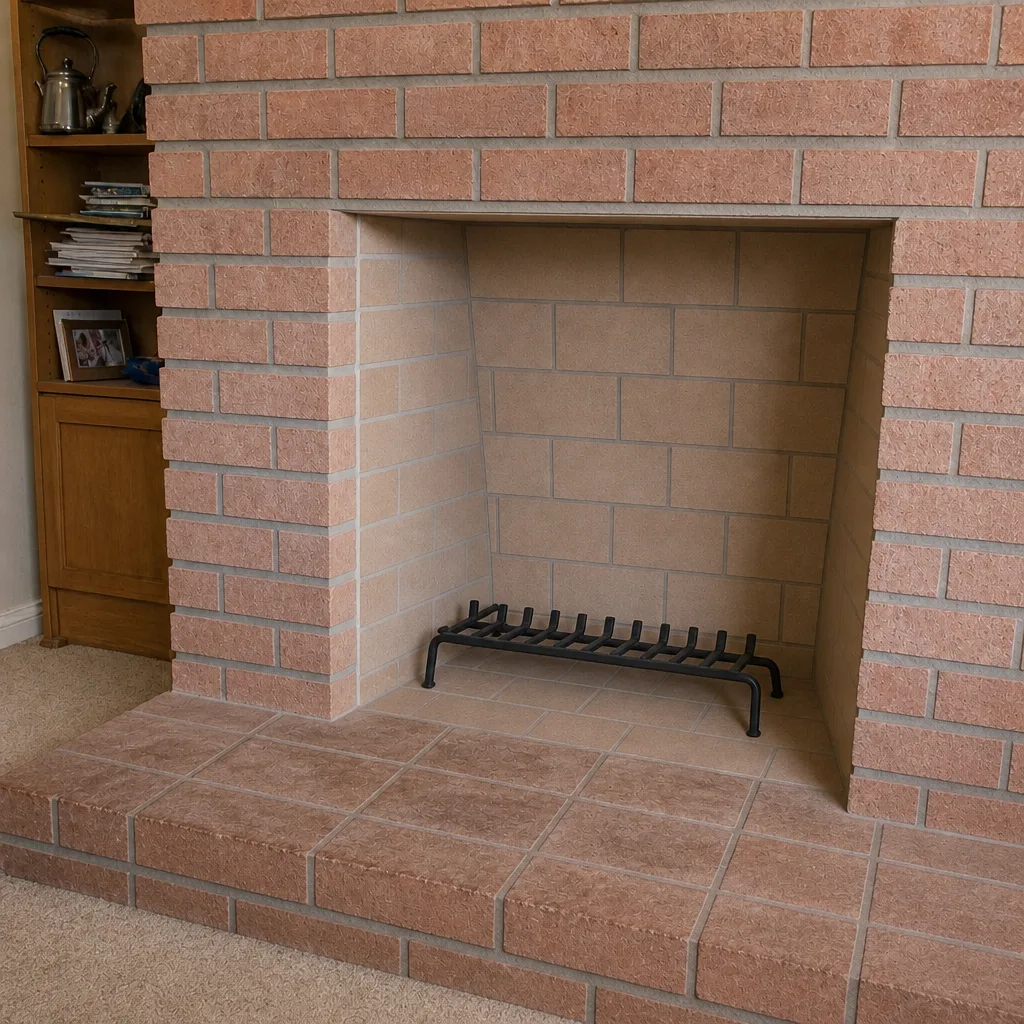
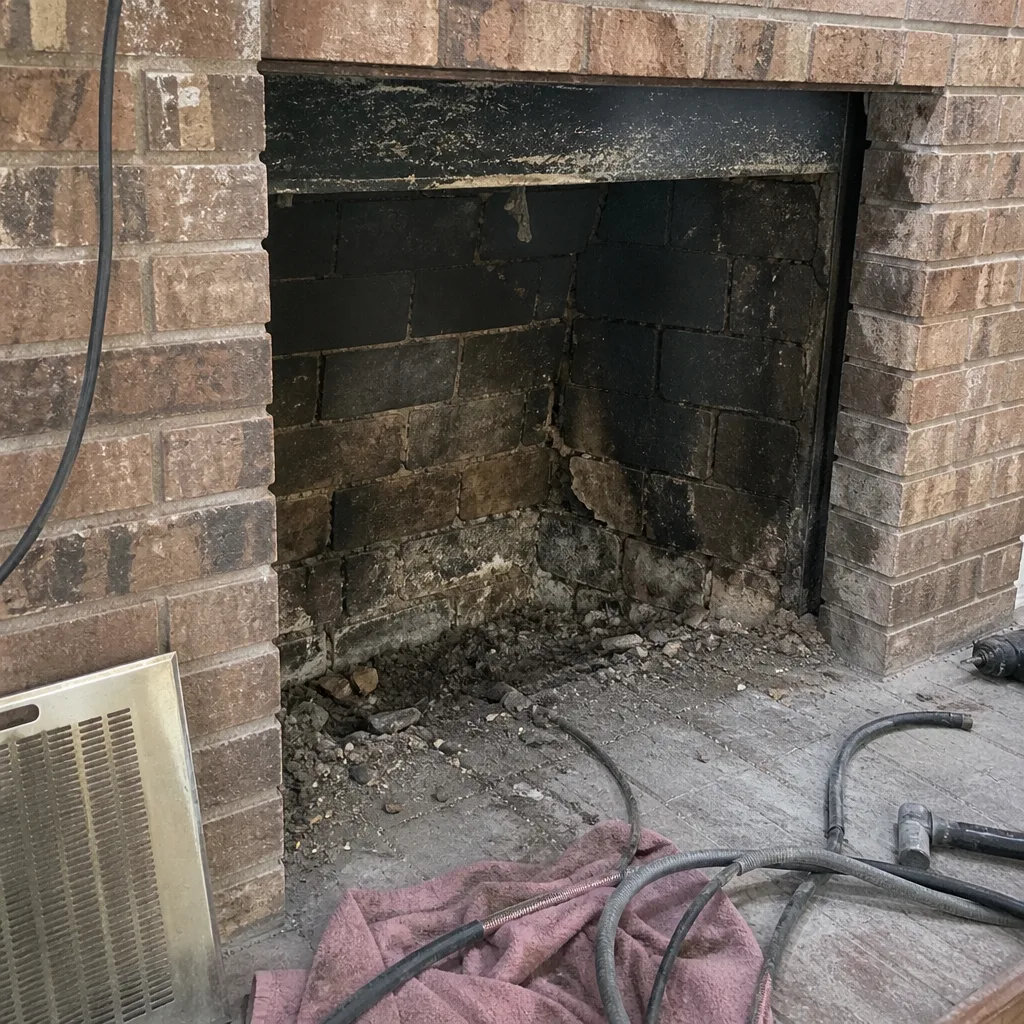
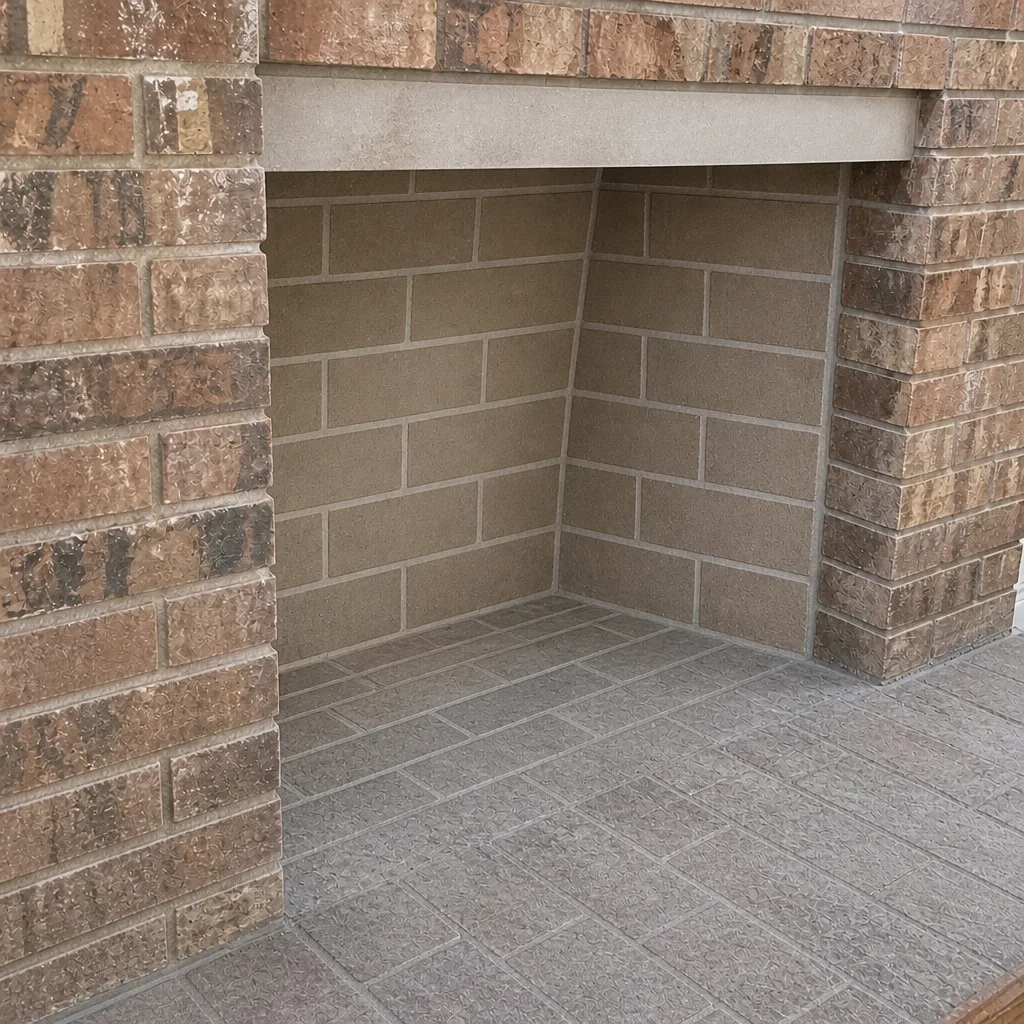
See the difference
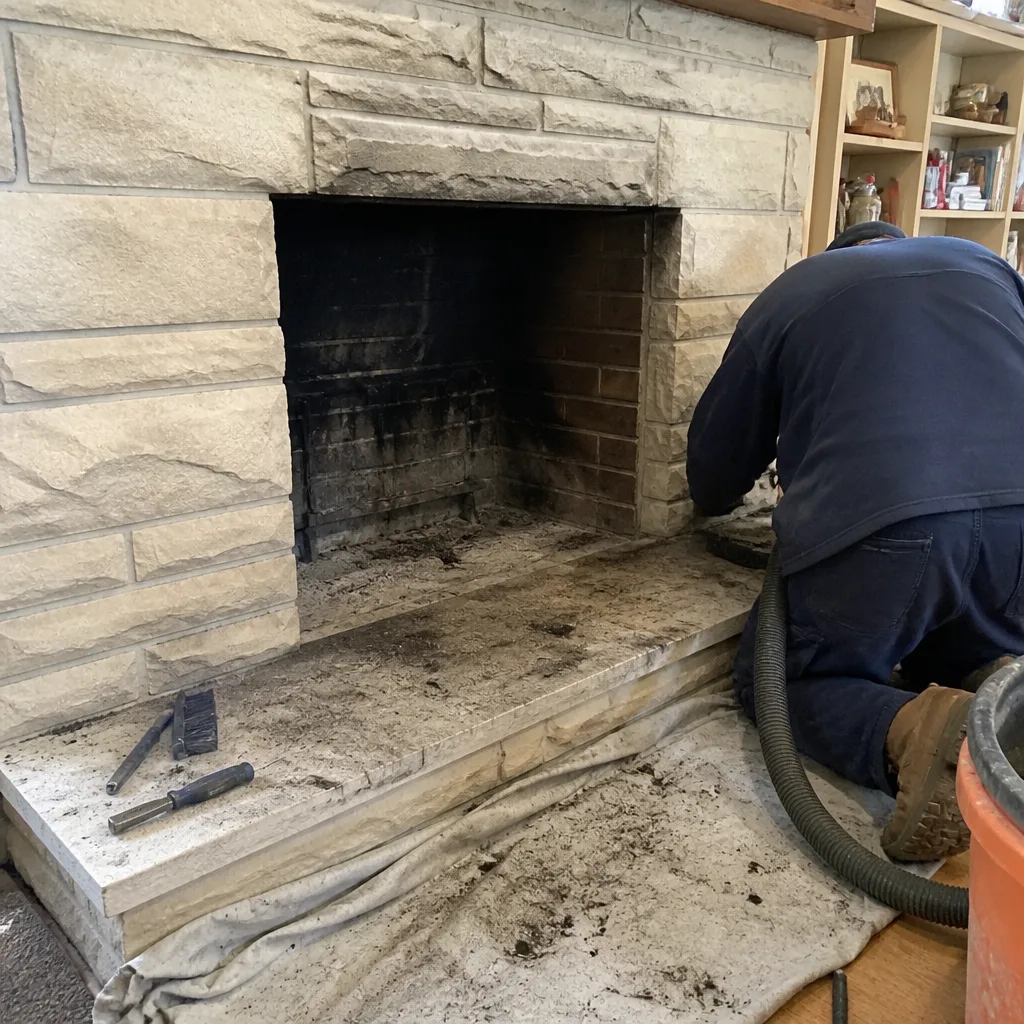 Before
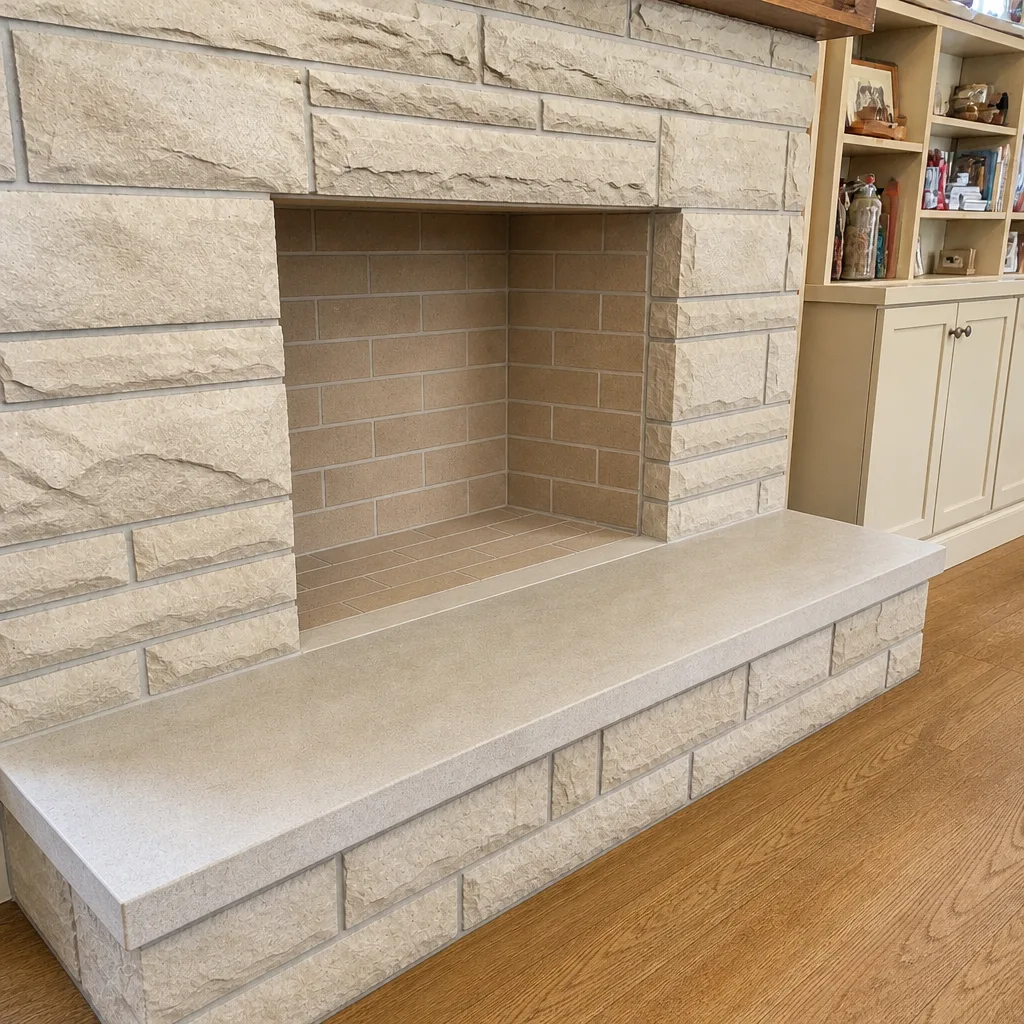 After
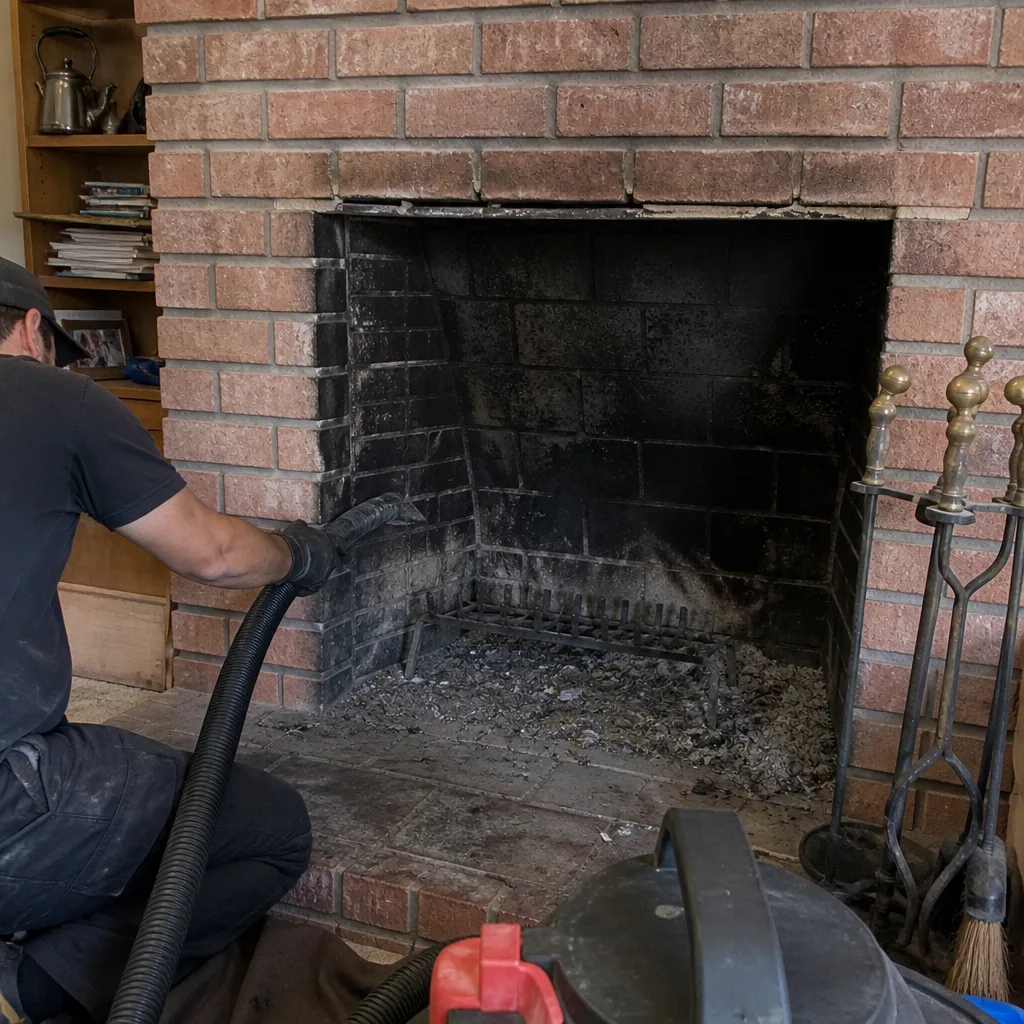 Before
 After
 Before
 After
When to Call a Professional
Call a professional when the work involves the structural parts of the chimney: the crown, the cap, the liner, or the masonry itself. These aren’t tasks to take on yourself. High-tension components, roof work, and gas appliance venting are all genuinely dangerous to handle without training, and a mistake with the flue liner can create a serious carbon monoxide hazard. We always recommend a trained professional for any of these.
Also call a professional if it’s been more than a year since your last sweep, if you’re seeing water stains near the chimney, if the fire drafts poorly, or if you’re about to use the fireplace for the first time this season. A camera inspection and photo report should be part of every visit, so you can see what’s happening inside the flue.
Chimney Sweep Midvale offers free estimates in Midvale. Call (855) 523-1499 to book a visit. We answer 24/7.
Frequently Asked Questions
Look for a sweep who uses contractor-grade brands such as Olympia Chimney or Copperfield for caps, DuraFlex or Famco for stainless liner systems, and professional-grade elastomeric coatings for crowns and masonry waterproofing. Also ask about HeatShield, a professional resurfacing system for damaged liners. The brand names themselves are less important than whether the sweep can explain why each product is the right fit for Midvale’s climate.
A routine chimney sweep typically costs around $150 to $300, depending on the flue condition and access. Inspections are often included with a sweep, and a full camera inspection with a photo report can cost a bit more. Every job is priced per job by the written estimate, so the final price is set after we see the chimney. Call (855) 523-1499 for an exact quote – estimates are free.
Many damaged flues can be repaired with HeatShield resurfacing instead of a full liner replacement, which saves cost and avoids demolition. The right answer depends on what a camera inspection shows, which is why we always inspect first and recommend only what the evidence supports. If your flue liner is damaged, call (855) 523-1499 to schedule an inspection.
A chimney used regularly for wood should be swept once a year, ideally before the heating season. Gas fireplaces also need annual inspection, even though they produce less creosote. A camera inspection confirms whether the flue is clear and the liner is intact. Call (855) 523-1499 to book your annual visit.
Creosote builds up in the flue over time, and a heavy buildup can lead to a chimney fire. Water intrusion through a cracked crown or missing cap can damage masonry and, in some cases, allow carbon monoxide to enter the home. A regular sweep and inspection is the simplest way to catch these problems while they’re still small. Call (855) 523-1499 to schedule your visit.
A chimney specialist handles the whole system: sweep, inspection, repair, fireplace work, and cap and crown, with professional-grade materials and a warranty on the work. A generalist adds chimney cleaning to a menu of home services and typically hands off anything structural to another contractor. For Midvale’s climate, the specialist’s material choices and warranty are the difference that matters. Call (855) 523-1499 to talk through your chimney.
The Bottom Line
The brand names on your chimney are a proxy for how long the work will hold up. In Midvale’s freeze-thaw climate and strong UV, retail-grade crown coatings, sealers, caps, and liners fail within a few winters, while contractor-grade products from brands like DuraFlex, Olympia Chimney, and HeatShield are built for the conditions here. You don’t have to know which brand to pick. You only need to ask what the sweep uses, listen for a specific answer, and check that the warranty is in writing. That short conversation tells you more than any brochure will.
Chimney Sweep Midvale offers free estimates. Call (855) 523-1499. We answer 24/7. Fast dispatch from 7am to 7pm, Sunday through Friday.
Written by the team at Chimney Sweep Midvale.